
What to Wear on a Ski & Snowboarding Trip: Style Meets Practicality
By Clara Wetherby
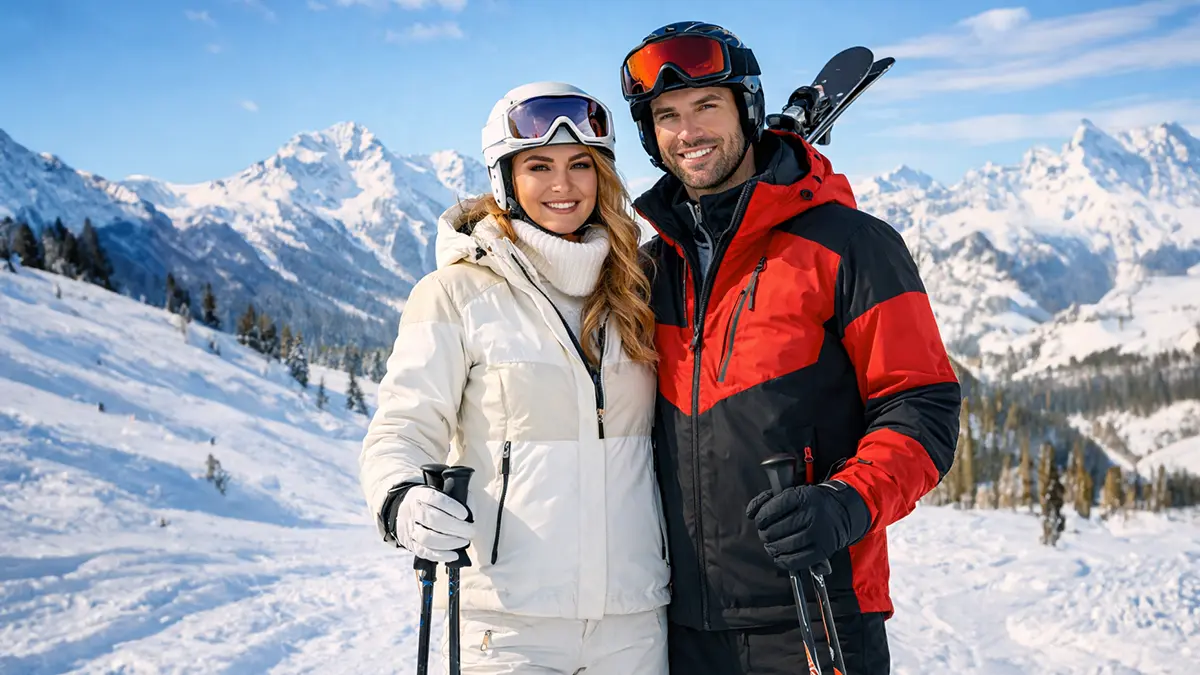
A winter escape to the mountains is as much about elegance as it is about performance. When I’m packing for the Alps, I want clothes that work hard on the slopes and look effortlessly chic at the après‑ski bar. This comprehensive guide covers everything you need for your next ski or snowboarding trip, from technical base layers to outfits that take you from piste to Prosecco — with price examples to help you budget in sterling.
Dressing for the Slopes: the Art of Layering
The secret to feeling comfortable on snow is layering. A base layer pulls moisture away from your skin, a mid‑layer traps warmth and an outer shell shields you from wind and snow. Here’s what to look for in each layer, for both men and women.
Base layers
Materials: Choose merino wool or synthetic fabrics. Merino is breathable, odour‑resistant and warm even when damp. Synthetic blends (usually polyester with elastane) dry quickly and are budget‑friendly. Avoid cotton — it holds moisture and will leave you cold.
Price range: Budget base layers from Wedze (Decathlon) start around £12 for simple polyester tops and leggings. Merino pieces cost more: Simond’s MT500 merino long‑sleeved tee is £49.99, while Falke merino base layers start at around £67.
His & hers tips: Men will appreciate long cuts that stay tucked when bending and twisting. Women should look for seamless construction around bust and hips, such as Wedze’s BL500 series. Bring at least two complete sets so you can alternate and air them on the radiator; merino can be worn several days between washes.
Mid‑layers
Mid‑layers trap heat while allowing moisture to escape. They range from lightweight fleeces to insulated jackets:
- Fleece & synthetic jackets: Affordable and fast drying. Decathlon’s 500 Warm fleece costs around £25–£40; The North Face sells mid‑weight fleeces and zipped hoodies between £80 and £100.
- Down or synthetic insulation: For bitter days, pack a compressible insulated jacket. Synthetic fill stays warm when wet and is hypoallergenic. Down is lighter and very warm but loses loft when wet and is pricier. Women’s down mid‑layers at Marks & Spencer start around £90, while Arc’teryx’s Cerium down hoodies top £280.
Outer shells
The outer layer blocks wind and snow while remaining breathable. There are two main types:
- Hardshells use nylon or polyester with a durable water‑repellent (DWR) coating and a waterproof membrane such as GORE‑TEX. They offer the best protection but can feel stiff and are often more expensive. Entry‑level jackets from Wedze cost £40–£120. Mid‑range options from The North Face have weatherproof GORE‑TEX or Futurelight membranes; their Chakal trousers are £135 and jackets start around £300–£400. Luxury labels like Moncler’s Grenoble line feature GORE‑TEX laminate shells for £1,700–£2,600.
- Softshells are more comfortable and breathable but less waterproof, making them ideal for fair‑weather days. Prices start around £100 and climb to £350 for technical models.
Waterproofing & breathability: Look for waterproof ratings of at least 3,000 mm for on‑piste use and 10,000 mm or more for off‑piste adventures. A GORE‑TEX membrane has pores small enough to stop water droplets yet large enough for sweat vapour to escape. Alternative membranes include Patagonia’s H2No, The North Face’s FutureLight and Sympatex — all offer good performance at varying price points.
Features to prioritise: A lift‑pass pocket on the left sleeve, helmet‑compatible hood, ventilation zips, internal phone pocket, thumbhole cuffs and a snow skirt. Salopettes (ski trousers with braces) should have snow gaiters, taped pockets and adjustable waists.
Accessories
- Goggles: Choose anti‑fog lenses with UV protection. Oakley’s entry‑level O‑Frame goggles cost around £50.
- Gloves vs mittens: Gloves offer dexterity; mittens are warmer. The Guardian recommends waterproof gloves with long gauntlets and wrist leashes; Decathlon’s Racer Logic 6 gloves are an affordable £39.95.
- Socks: Ski socks make a big difference. Falke’s SK1 knee‑high socks use a merino blend and cost £34. Bring several pairs to rotate.
- Head & neck: A buff or neck gaiter, thin liner gloves and a fleece headband or beanie will keep extremities warm during chairlift rides.
Boots, Skis & Snowboards: Rent or Buy?
Ski and snowboard boots
A well‑fitting boot is vital for control and comfort. Renting is practical for beginners and occasional skiers because it’s cheaper and saves you from travelling with heavy gear. However, rental boots can be worn and rarely offer personalised fitting. The Skiers Lounge notes that frequent skiers benefit from custom‑fitted boots; owning your boots improves comfort and performance and becomes cost‑effective after a few trips.
Prices: Entry‑level boots such as Atomic’s Hawx Magna 75 W retail around £158 while advanced models like Salomon’s Shift Supra Boa 130 cost £563. If you ski more than 5–10 days each season, investing in your own boots may save money long term.
Skis or snowboard
Renting skis or boards makes sense for beginners and travellers who value convenience. OnTheSnow reports that rental packages generally start around $50–$70 (about £40–£55) per day; performance demos cost more. In Europe, a full week’s hire (skis/snowboard, boots, poles and helmet) is typically £120–£180. Booking online before you travel can shave 30 % off the price.
Buying your own skis or snowboard requires a larger upfront outlay (£700–£1,500 or more for skis, bindings and boots) and you must pay for airline carriage. But owning gear gives consistent performance, allows custom tuning and saves time queuing at the rental shop. A good compromise is to rent skis but invest in your own boots and helmet for a better fit.
Helmets & safety
Helmets are essential safety equipment. They’re usually included in rental packages and only cost around £10–£15 per week if not. If you ski often, investing in a lightweight, adjustable helmet (£50–£150) is worthwhile. Don’t forget a RECCO reflector integrated into some jackets or attachable as an adhesive; it helps rescuers locate you in case of an avalanche.
Should You Pay Extra for GORE‑TEX?
GORE‑TEX is famous for being waterproof and breathable thanks to its ePTFE membrane with microscopic pores. The brand now offers PFAS‑free ePE membranes and is still considered the gold standard, but there are pros and cons. GORE‑TEX jackets are durable and highly waterproof, yet they can be less breathable and come at a premium price. Alternatives like Patagonia’s H2No, The North Face’s FutureLight, eVent, Sympatex or Pertex are often cheaper and sometimes more breathable. If you stick to groomed runs in moderate weather, a mid‑range shell with a 10,000 mm waterproof rating will suffice. For off‑piste or stormy days, paying extra for GORE‑TEX or ePE membranes gives peace of mind.
Packing Hacks & Travel Tips
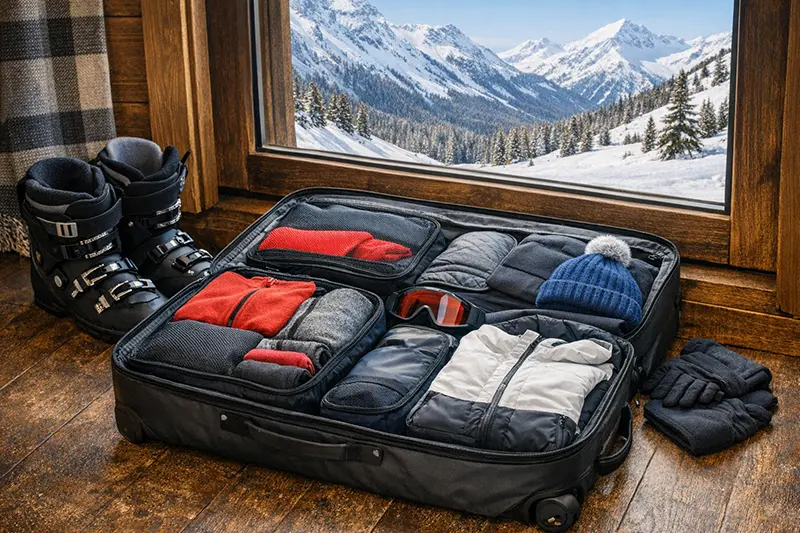
Over‑packing is the ski‑trip rookie error. My tried‑and‑tested packing hacks:
- Pack for versatility: Bring two base layers and two mid‑layers; rotate them daily. Merino wool resists odour, so it doesn’t need washing after each wear.
- Roll & compress: Roll clothes and use compression cubes. Down jackets compress to nothing — great for saving space.
- Wear your bulkiest items on the plane: Travel in your ski boots (or at least carry them as hand luggage) and wear your heaviest coat to save baggage weight.
- Mini laundry kit: Pack a small bottle of travel detergent. A quick hand wash mid‑week refreshes base layers.
- Rent the rest: Hire skis, poles and helmets at your resort to avoid airline fees and to try different equipment as conditions change.
Après‑Ski Style: from Chalet to Champagne
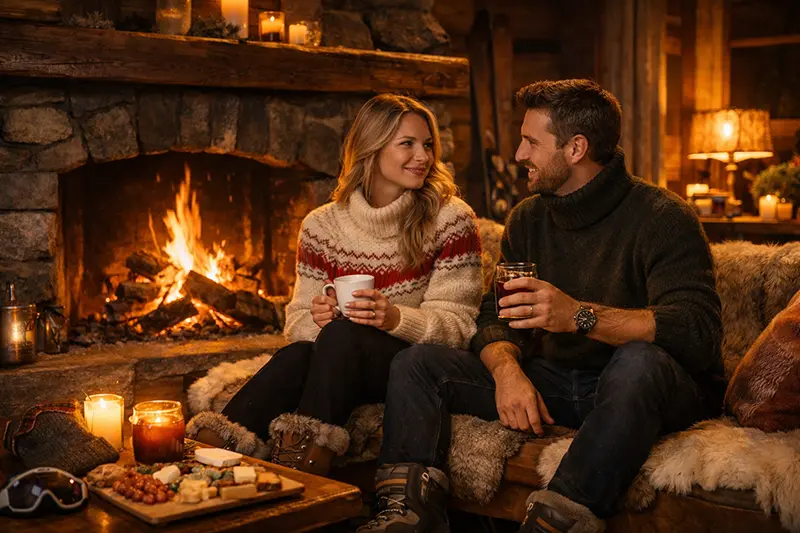
After the last run, it’s time to swap technical gear for cosy chic. Après‑ski outfits should be comfortable, adaptable and stylish.
The après‑ski layering formula
Like on the slopes, layering applies off the snow — just with softer fabrics:
- Base: A long‑sleeved T‑shirt or lightweight top in cotton, merino or a breathable blend. Cotton is acceptable here because you won’t be sweating.
- Mid: A knit jumper, fleece or cashmere cardigan. Play with textures: Fair Isle patterns, chunky cables or Nordic motifs add alpine flair.
- Outer: A puffer jacket, shearling coat or tailored wool coat. Choose a style that can be removed easily indoors.
Fabrics to prioritise: Merino wool, cashmere, blended wool knits, fleece, flannel and heavy jersey offer warmth and comfort. Avoid tight synthetic clothing that doesn’t breathe.
Three Après-Ski Outfit Ideas
Chill Après-Ski at the Chalet
For a quiet evening in the apartment or chalet, keep it soft and restorative. Think leggings, knit trousers or thick joggers with a warm wool jumper or a plush fleece, plus a cardigan or gilet if you need one more layer. Finish with dry merino socks and proper indoor or chalet boots — the aim is comfort, warmth and letting your body recover after hours in rigid ski boots.
Aperitif in Resort or a Cosy Bar
This is where you want to look polished without trying too hard. Go for straight-leg jeans or comfortable trousers, a knit jumper or smart sweatshirt, and an overshirt, light puffer or short coat. Add understated snow boots or leather boots with grip, plus warm socks, because après-ski usually means moving between freezing outdoor air and overheated interiors.
A Dressier Evening
For dinner, drinks or a more glamorous après-ski scene, keep the silhouette clean and warm. Wool or flannel trousers, or dark well-cut denim, work beautifully with a roll-neck or shirt layered under a fine-knit jumper. Top it with a long coat or elegant parka, then finish with leather boots or ankle boots that can still cope with packed snow, plus a scarf, hat and one or two refined accessories.
Accessorise with a wool beanie or headband, a snug scarf and leather gloves. A few well‑chosen details elevate an outfit from sporty to sophisticated.
Budget, Mid-Range and Luxury Ski Wear: What to Spend
Budget Ski Wear
If you are skiing once a year, or simply want sensible value, budget ski wear is far better than it used to be. Wedze at Decathlon offers men’s and women’s ski jackets from £39.99, with stronger everyday resort options around £89.99 to £119.99. Add affordable essentials such as Decathlon’s ski gloves at £39.95 and Falke ski socks from £34, and you can build a respectable slope wardrobe without overspending.
Mid-Range Ski Wear
This is the sweet spot for most people. The North Face sits in that strong middle ground, with entry-level soft-shell jackets at around £300, more insulated styles above £400, and ski trousers such as the Chakal at £135. Helly Hansen also earns its place here, with merino base layers at around £85 and ski jackets roughly £286 to £410, depending on model and retailer.
Luxury Ski Wear
Luxury ski wear is where fashion, technical performance and status all meet. Moncler Grenoble men’s ski jackets currently sit roughly between £1,690 and £2,625. If you prefer technical prestige over logo flash, Arc’teryx’s Rush jacket comes in at £750, while Fjällräven’s Bergtagen GTX Pro jacket is £785.
What Is Actually Worth Spending On?
If you are prioritising properly, spend first on the things that affect comfort all day: base layers, socks, gloves, and a good jacket. Merino base layers remain one of the smartest investments because they regulate temperature, resist odour and stay warm even when damp. If you ski regularly, boots and your own helmet are also worth buying before you splash out on a designer shell.
Helmet or Hubris? Why This Is One Piece of Ski Kit I Would Not Skip
There was a time when helmets were treated as optional — something for children, racers, or the overly cautious. That time has passed. On today’s slopes, helmets are commonplace, children’s use is treated as standard, and many modern ski schools and rental shops regard them as part of the basic set-up rather than an extra. Given how easily a fall can happen on hard-packed snow or ice, that is a very sensible shift.
For children, I would call a helmet essential, not negotiable. For adults, especially skiers and snowboarders travelling with family, I would say the same. Snowboarding in particular involves more backwards falls, and even relaxed piste skiing carries risk from collisions, icy patches and awkward low-speed tumbles. A helmet is not a magic shield, but it is one of the easiest safety decisions you can make.
Do most people wear them now?
In mainstream European resorts, yes — very often. For children, it is effectively the norm. For adults, helmets are now so widely worn that turning up without one looks more old-school than glamorous.
Should you buy or rent one?
For a first trip, renting is perfectly sensible. Rental packages commonly include helmets, and UK/EU ski-holiday cost guides put equipment hire including boots, poles and helmets at roughly £120 to £180 per week. Cairngorm’s standalone rental pricing, for example, lists adult helmet hire at £11 for one day or £41 for five days.
Once you know you will ski again, I would buy your own. A personal helmet gives you better fit consistency, better hygiene, and usually a lighter, more comfortable wear. That matters more than many people think. If a helmet pinches, slides, or doesn’t sit properly with your goggles, you will hate it — and then you are more likely to take it off.
What to look for
Fit first, always. The helmet should sit snugly and evenly, with no wobble when you shake your head. Pair it with your goggles before buying. Look for good ventilation, a comfortable liner, and proper snow-sport certification. If you ski regularly, it is worth looking for MIPS or a similar rotational impact system, though fit still matters more than the logo.
The Standard notes that serious ski kit buyers should pay close attention to practical mountain features and protection, while expert Chemmy Alcott recommends a solid waterproof and breathable standard for the rest of your outerwear too. In other words: buy properly once, and it will serve you for years.
Best Buys: Budget, Mid-Range and Luxury
Budget: excellent for first-timers and occasional skiers
What to spend: £35 to £70
This is the bracket for sensible first purchases. Spend less than that and fit and comfort often become iffy. Spend within it and you can get something safe, neat, and perfectly respectable.
- Rental route: around £11 per day or included in resort hire packages
- Best budget strategy: rent if it is your first trip, especially if you are unsure of fit or whether you will go again
- Good companion buys: Oakley O-Frame snow goggles at around £50 and Decathlon ski gloves at £39.95 show that entry-level snow kit can still perform well
Irena’s tip: If you are buying on a budget, spend slightly more on fit and ventilation, not on flashy styling.
Mid-Range: the sweet spot
What to spend: £70 to £140
For most Riviera Ready readers, this is the clever bracket. You usually get a better fit system, improved venting, nicer lining, lighter weight, and often a more streamlined silhouette that looks smarter with the rest of your kit.
This is also the range I would recommend for children who ski more than once a season. It is enough money to get something comfortable without paying silly premiums for branding.
Irena’s tip: If you are already investing in decent layers — say a Helly Hansen merino base layer at £85 or a proper mid-range ski jacket from The North Face or Helly Hansen — don’t sabotage the whole set-up with an uncomfortable bargain-bin helmet.
High-End: frequent skier, premium comfort
What to spend: £140 to £280+
This is for committed skiers, snowboarders, and anyone who cares about lightweight construction, quieter fit, sleeker styling and premium finishes. If you ski every winter, or spend long days on the mountain, the comfort gains are real.
This is also the category that best suits a polished luxury ski wardrobe. If you are already wearing Moncler Grenoble jackets at £1,690 to £2,625 or an Arc’teryx Rush shell at £750, you will probably want a helmet that feels equally refined.
Irena’s tip: Premium only makes sense if the helmet fits beautifully. A £90 helmet that feels invisible is better than a £250 one that gives you a headache.
My recommendations
For children, wear one every time. Rent for a one-off holiday, buy if they ski more than once or twice a season.
For adults, yes — wear one. Rent on your first trip if needed, then buy your own once you know skiing or snowboarding is becoming part of your life.
For most people, the smartest buy is in the £70 to £140 range.
Quick tips before you choose
- Try it on with your goggles, not separately
- Make sure it does not tilt back or sit too high on the forehead
- Replace it after a significant impact
- Do not buy second-hand unless you know its full history
- Do not wear a thick wool hat underneath; it ruins the fit
- Children should never “grow into” a helmet — it must fit now
The chicest thing on the mountain is still confidence. The wisest thing is common sense. On this one, I would choose both.
Ski Trip Style at a Glance
Best Base Layers
Choose merino wool or technical synthetics. Merino is breathable, odour-resistant and warm even when damp, while synthetics are quicker drying and more budget-friendly.
Best Outer Layer
For most resort skiers, a waterproof and breathable hard-shell is the most versatile choice. For harsher conditions, look for a membrane with strong waterproofing and breathability, ideally in the 10,000mm to 20,000mm range.
Rent or Buy?
For first trips, rent skis, snowboard, boots and helmet. For repeat trips, buy your own boots and helmet first, then think about owning skis or a board later.
Best Après-Ski Formula
Swap technical slope gear for soft layers: a knit, a warm outer layer, dry socks and boots with grip. Comfort, adaptability and warmth matter just as much as style once the sun goes down.
FAQ
Do you need a helmet for skiing or snowboarding?
Yes — especially for children, and increasingly for adults too. Helmets are now a standard part of the basic ski set-up in many places.
Is Gore-Tex worth paying extra for?
Sometimes. If you ski often, ride in poor weather or want stronger long-term weather protection, it can be worth it. For occasional resort skiers, a good non-Gore-Tex shell can be perfectly adequate.
Should you buy or rent ski boots?
Rent for your first trip. Buy once you know you will ski regularly, because fit and comfort make a huge difference.
What should you wear for après-ski?
A warm knit, soft trousers or dark denim, a polished coat or puffer, and proper boots with grip. Think cosy, layered and chic rather than still being dressed for the chairlift