Tom Hardy MobLand: Not Fired After All
By Brendan Bishop
Photography by Anfisa Polyushkevych
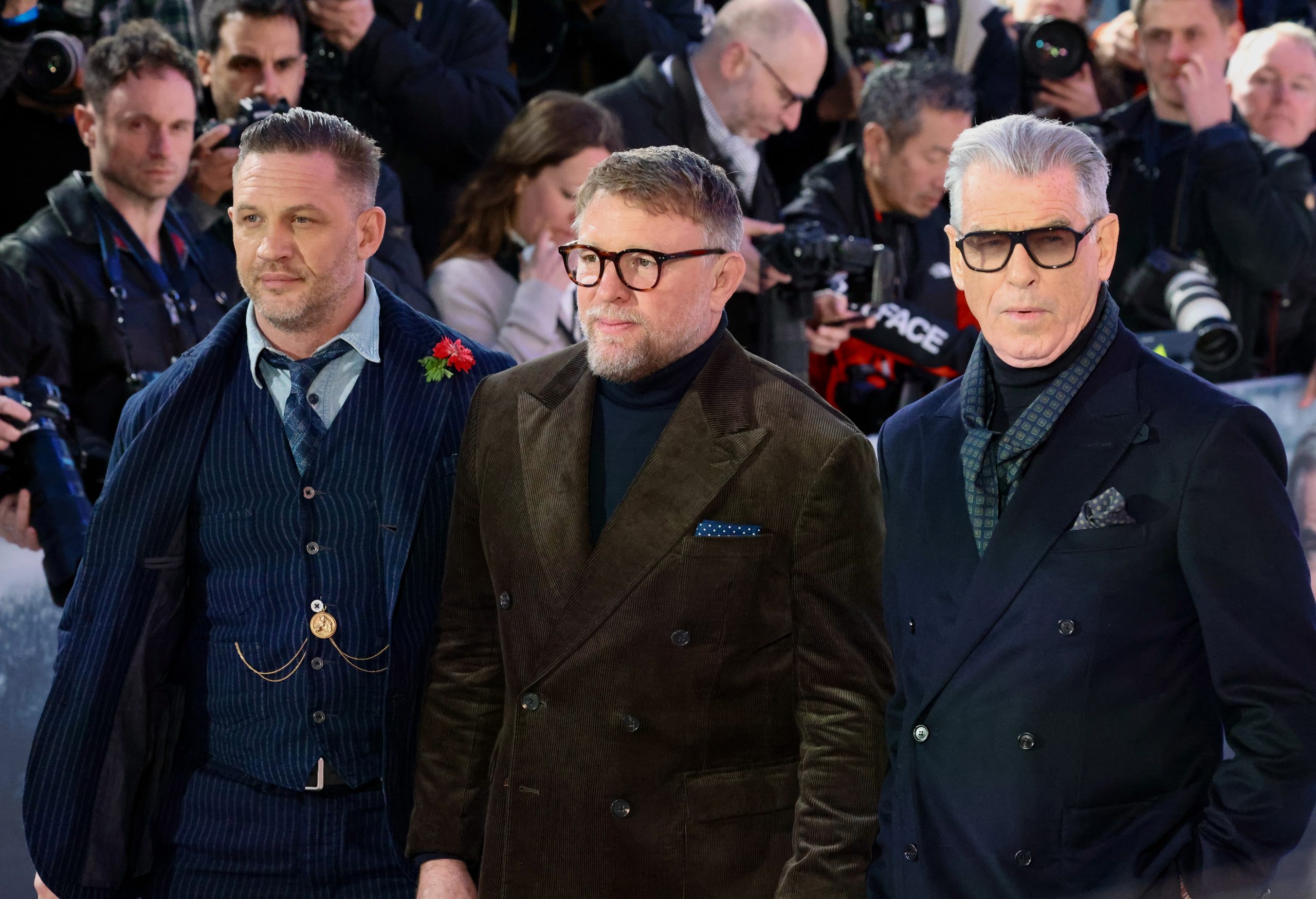
Tom Hardy MobLand rumours have been circling for weeks: first came reports that the British star had been pushed out of the hit Paramount+ crime drama, then claims of tension on set, then speculation about Helen Mirren, then a sudden public show of support — and now the line that changes the story completely.
Tom Hardy, according to later reporting from Variety, has not been fired from MobLand. The door is not closed on Series 3. And for a show built so heavily around his brooding fixer Harry Da Souza, that is not just a casting update. It may be the difference between MobLand remaining a major streaming event and becoming another crime drama that lost its most dangerous ingredient.
Was Tom Hardy Fired From MobLand?
The simplest answer is: not according to the latest and most important reporting.
After several outlets reported that Hardy would not return for a possible third series following alleged behind-the-scenes clashes, Variety later reported that a source close to production said: “Tom was not fired, the door is not closed for Season 3, and things are being worked through creatively.”
That sentence matters because it changes the tone of the whole story. It does not mean Hardy is definitely signed, sealed and back in the black suit for Series 3. It does not mean there were no tensions. It does mean that the more dramatic “Tom Hardy sacked from MobLand” narrative now looks premature.
There is another crucial detail: Paramount has officially renewed MobLand for Series 2, but Series 3 has not yet been formally announced. So the phrase “fired from Series 3” was always a little slippery. You cannot be publicly confirmed as removed from a season that the platform has not yet publicly commissioned.
How the MobLand Rumour Caught Fire
The drama began with reports of creative friction after Series 2 had wrapped production. Early stories suggested that Hardy had clashed with producers and creative figures behind the scenes, including claims that he had been difficult over scripts, dialogue and production demands.
Then came the more explosive allegations: that Hardy had allegedly kept cast and crew waiting, that he had reportedly stayed in his trailer for long periods, and that co-stars including Helen Mirren and Pierce Brosnan had been affected by delays.
Those claims, it should be said clearly, remain reported allegations from unnamed sources. They have not been laid out in detail in an official Paramount statement, and Hardy himself has not publicly given a full version of events.
That is why this story sits in the classic grey zone between industry reporting and showbusiness gossip. There may well have been real tension. There may well have been creative frustration. But the public record does not support the cleaner, simpler tabloid version that Hardy was definitively sacked after one dramatic bust-up with Helen Mirren.
Helen Mirren’s Message Changed the Story
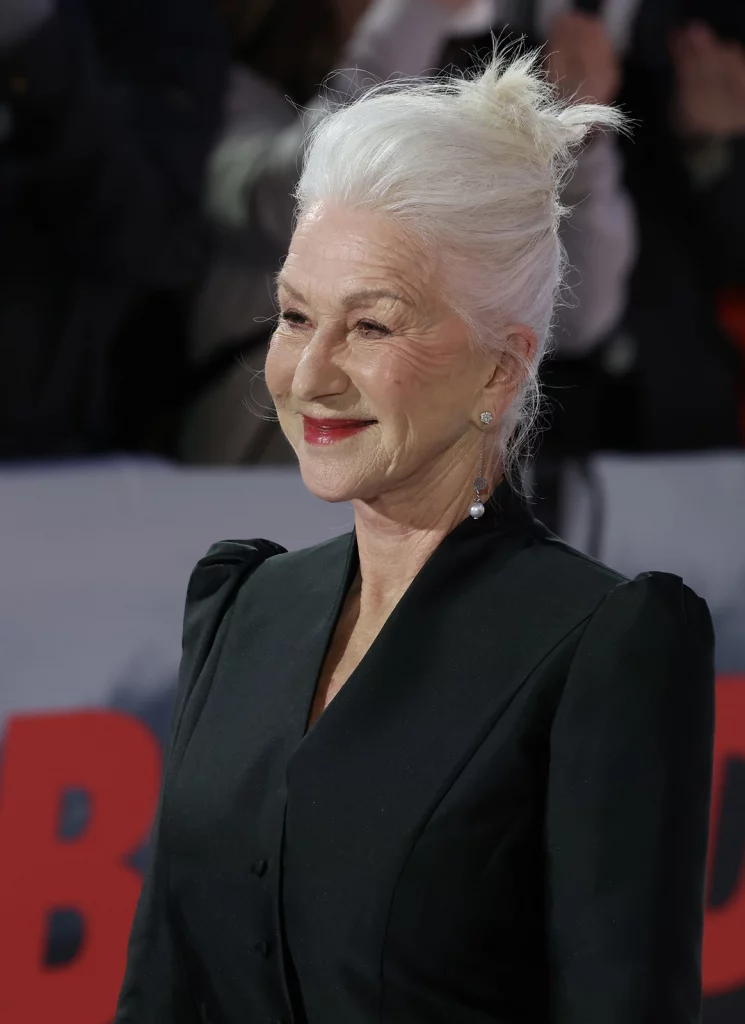
Helen Mirren’s role in the story is fascinating because, for a moment, she appeared to become the emotional centre of the whole row.
Reports had suggested that Mirren was among those allegedly left waiting during production. Yet when the rumours were at their loudest, she posted a photo of Hardy on Instagram with the message: “Love you now and always.”
That was not a legal statement. It was not a studio memo. It was not a formal denial of every claim. But in the language of celebrity, it was unmistakable: Mirren was not publicly distancing herself from Hardy. She was publicly supporting him.
For viewers, that mattered. If the most lurid version of the story was that Hardy had alienated the grand dame of the cast, Mirren’s message complicated that narrative almost immediately.
And it gave fans the line they wanted: if Helen Mirren still has love for Tom Hardy, perhaps the MobLand family is not quite as broken as the headlines suggested.
Why Fans Reacted So Strongly
The online reaction was swift and blunt. Across comment sections and fan discussions, one theme kept coming back: without Tom Hardy, why watch MobLand?
That is not fair to the rest of the cast, which is stacked with serious talent. Pierce Brosnan gives the series old-school menace. Helen Mirren brings steel, elegance and wicked intelligence. Paddy Considine, Joanne Froggatt and the wider ensemble give the show its family-war texture.
But Hardy is the pressure system. His Harry Da Souza is the fixer, the operator, the man who moves through the series like someone who has already seen the worst possible ending and is still calculating how to survive it.
In a show full of gangsters, Hardy plays the man who understands the cost of gangster logic. He is not merely another character. He is the lens through which much of the audience reads the show.
That is why the idea of MobLand without him created such an instant backlash. For many viewers, Hardy is not simply in MobLand. He is MobLand.
The Business Problem for Paramount+
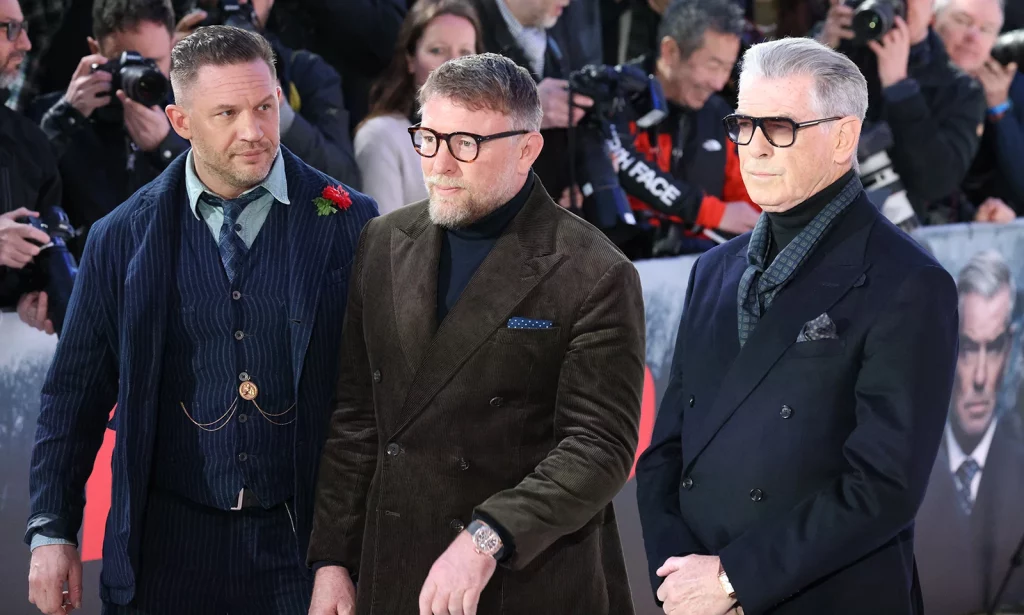
From a streaming point of view, this is where the story becomes more than gossip.
MobLand was not a quiet little drama that found a niche audience. It became one of Paramount+’s major original hits. The platform said the series had reached 26 million viewers and described it as its No. 2 original series ever, behind Landman. It also said the show had reached No. 1 in the UK.
That gives Paramount a very modern problem: what happens when the star most associated with your hit show is also the star at the centre of difficult production rumours?
Old Hollywood knew this dilemma well. Studios have always tolerated a certain level of chaos when the person causing it also sells tickets. Streaming has inherited the same problem, only now the calculation is global, algorithmic and immediate.
The line reportedly given to Variety — that Hardy may be difficult, but he is a movie star — lands because it sounds like the sentence every producer has thought at some point. Talent is not always tidy. Screen electricity rarely comes with office manners. The question is whether the result is worth the disruption.
For MobLand, the answer may still be yes.
The Tom Hardy Factor
Tom Hardy has never been a bland screen presence. He arrived in the public imagination as something rougher and more unpredictable: a character actor with leading-man voltage.
From Band of Brothers and Black Hawk Down to Bronson, Inception, Warrior, The Dark Knight Rises, Locke, Legend, Mad Max: Fury Road, The Revenant, Dunkirk and Venom, Hardy has built a career on intensity. He can be tender, brutal, funny, strange, unreadable and magnetic — sometimes in the same scene.
That is also why stories about on-set tension follow him more easily than they might follow a more frictionless performer. The most famous example remains Mad Max: Fury Road, where the difficult relationship between Hardy and Charlize Theron became part of the mythology of the film. Hardy later acknowledged that he had been, in his own words, “in over my head” during that pressure-cooker production.
But the Hardy story is not only about difficulty. It is also about commitment, loyalty and craft. Around the time MobLand was still known by its working title Fixer, Hardy was reported to have offered to help cover unpaid wages for crew after a production supplier problem. That kind of story complicates the lazy caricature of the impossible star.
The more interesting portrait is of an actor whose intensity can be both gift and problem — the kind of performer who can make a scene feel alive, but who may also make a production feel permanently on edge.
MobLand’s Old-School Appeal
Part of MobLand’s appeal is that it feels deliberately old-fashioned in the best way: big coats, hard stares, family empires, blood debts, coded conversations, men who talk quietly before doing terrible things.
Created by Ronan Bennett, written with Jez Butterworth and shaped visually by Guy Ritchie, the series has the texture of British gangster mythology filtered through premium streaming money. It is not trying to reinvent crime drama from scratch. It is trying to make the old pleasures work again: loyalty, betrayal, lineage, violence, money, class and the fatal mistake of thinking family makes people safer.
That is why Hardy fits it so well. He carries a kind of bruised, old-world masculinity that suits the material. He looks like a man who has been awake too long, trusted too few people and cleaned up too many messes for richer men.
Remove that from MobLand, and the show would not necessarily collapse. But it would become a different show.
Helen Mirren and Pierce Brosnan Are More Than Supporting Players
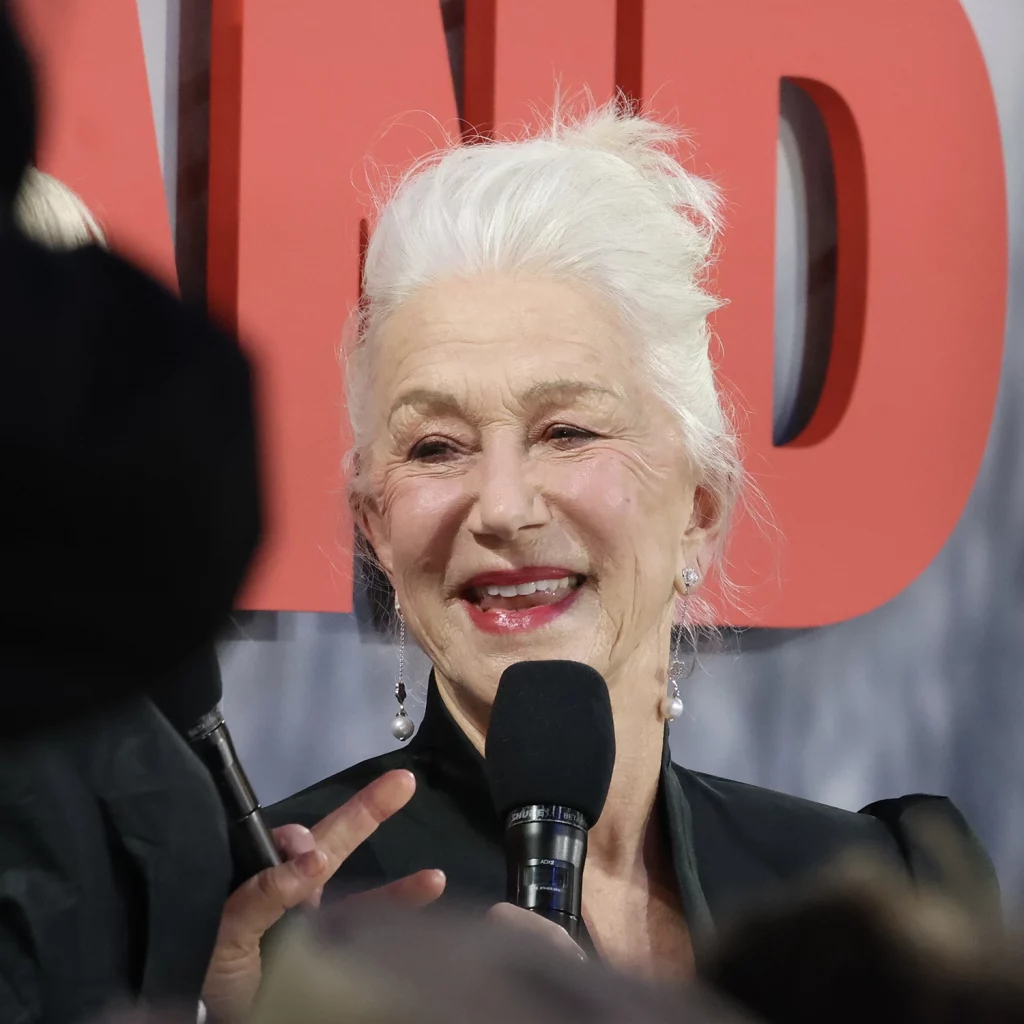
One reason the rumours felt plausible to some observers is that MobLand has never been a one-man vehicle. Helen Mirren and Pierce Brosnan are not decorative prestige names. They are central to the show’s authority.
Brosnan brings patrician danger: the sense of a man who has aged into power without losing vanity. Mirren brings the sharper blade. Her Maeve Harrigan is not merely the wife in the corner of a gangster dynasty. She is part of the machinery.
That may be one reason reports suggested Hardy was frustrated by the show becoming more ensemble-driven. Whether that is true or not, the creative tension is easy to imagine. MobLand is sold partly on Hardy’s animal magnetism, partly on the veteran glamour of Mirren and Brosnan, and partly on Guy Ritchie’s crime-world brand.
A show with that many heavyweight identities is always going to need careful handling.
What Is Fact and What Is Rumour?
The facts are these: MobLand is a Paramount+ hit. Series 2 has been officially renewed. Series 3 has not yet been formally announced. Helen Mirren publicly posted support for Tom Hardy. Variety later reported that Hardy had not been fired and that discussions about the future were still being worked through creatively.
The rumours are the rest: the alleged trailer delays, the alleged frustration on set, the alleged clashes over scripts, and the suggestion that Hardy’s future was ended by a personal argument with Mirren.
Some of those rumours may contain truth. Sets are complicated places, and premium television is not made by saints sitting in silence. But until named principals or official statements put those claims clearly on the record, they remain allegations rather than established facts.
The important distinction is not boring pedantry. It is the difference between a real industry story and a social-media pile-on.
Could Tom Hardy Return for Series 3?
Yes, he could. That is now the point. The Tom Hardy MobLand question now is not whether the rumours were loud, but whether Paramount can afford to let its most magnetic presence walk away.
The latest reporting does not guarantee Hardy’s return, but it does keep the possibility alive. In practical terms, that means the dispute — whatever its real shape behind closed doors — has not been allowed to harden into a public divorce.
That is good news for Paramount, good news for fans, and probably good news for MobLand itself. The show has plenty of assets, but Hardy is its most combustible one.
And crime dramas, especially ones this glossy, need combustion.
The Riviera Ready Verdict
The most sensible reading is this: Tom Hardy was not officially fired from MobLand. Serious reports of behind-the-scenes tension should not be ignored, but the strongest current line is that his future remains unresolved rather than over.
Helen Mirren’s public support softened the story. Variety’s later reporting rewrote the headline. And the viewer reaction made one thing very clear: if Paramount wants MobLand to keep feeling like an event, losing Hardy would be a dangerous game.
A streamer can replace a character. It is much harder to replace gravity.
For now, Harry Da Souza may not be done cleaning up other people’s messes after all.
Further Reading
Variety: Tom Hardy Was Not Fired From MobLand and Discussions Are Underway for His Return
The Hollywood Reporter: Helen Mirren Shows Support for Tom Hardy Amid MobLand Reports
The Independent: Helen Mirren Sends Love to Tom Hardy After MobLand Set Reports
The Standard: Helen Mirren Sends Clear Message to Tom Hardy Amid MobLand Feud Reports
Paramount: MobLand Renewed for Season Two After Reaching 26 Million Viewers
Rotten Tomatoes: MobLand Reviews and Audience Score
Britannica: Tom Hardy Biography
Riviera Ready Magazine: More Film, Culture and Red-Carpet Coverage