
Get Ski‑fit in Three Weeks
By Riviera Ready Magazine
Get ski fit in three weeks and your winter holiday will feel very different: stronger legs, steadier balance, better stamina and far less chance of limping back to après-ski after day one. Winter on the Riviera looks idyllic, but hit the slopes without preparation and you’ll pay for it.
Winter on the Riviera looks idyllic, but hit the slopes without preparation and you’ll pay for it. Skiers often finish a first day with thighs on fire and hip flexors screaming because the sport keeps the knees bent and loads the quadriceps. Snowboarders aren’t spared; standing sideways forces the calves and shins to work constantly, while the lower back and abdominals twist to drive the board. Untrained legs fatigue early, poor core strength leads to loss of control, and dehydration or poor fuelling heightens the injury risk. Instead of limping back to après‑ski, use the next three weeks to build strength, stamina and resilience – using a disciplined plan inspired by Royal Marines training and tailored to busy men and women aged 30‑55.
Understand the demands of your sport
Although skiing and snowboarding both demand strong lower bodies and powerful cores, the emphasis differs. Skiing loads the quadriceps, glutes and hamstrings because each leg acts independently; strong thighs minimise stress on the knees and hips during turns and jumps. It still requires a stable core to keep the torso quiet while the legs move beneath it. Snowboarding, by contrast, is a whole‑body sport: the calves and shins stay tense to steer the board and change edges, while the abdominals and lower back rotate the torso and help you stand up after falls. Training must therefore reflect these differences; the plan below includes separate drills for each discipline.
Three‑week ski‑fit programme
Use this programme as a template. Complete 2–5 sessions per week, depending on your schedule and current fitness. Rest days are vital; Royal Marine recruits alternate intense days with recovery. Choose the number of sessions that keeps you progressing without burning out.
Week 1 – Build the base
- Leg strength: Goblet squat, static lunge, hamstring bridge and calf raise (3 sets of 10).
- Cardio: 30‑minute moderate run, cycle or row to build aerobic capacity.
- Core & balance: Plank, side plank, bird‑dog and single‑leg balance on a cushion (3×30 s).
- Mobility & stretching: Dynamic stretches such as leg swings, lunges with rotation and trunk rotations to improve range of movement.
Week 2 – Progression
- Supersets: Combine squat‑to‑reverse‑lunge, lateral ski jumps, single‑leg squats and monster walks (3 supersets of 10–12 reps with 2‑minute rest).
- Endurance: 45‑minute steady run, elliptical or cross‑country ski session to build stamina.
- Explosive power: Jump squats, box jumps, burpees and hill sprints (3×30 s with 2‑minute rest) to develop speed and strength.
- Core rotation: Standing woodchop, Russian twists and dead bug (3×12) to strengthen the muscles used when turning.
Week 3 – Peak power & stamina
- High‑intensity circuits: Squat‑to‑reverse‑lunge, lateral ski jumps, plank‑to‑push‑ups and pistol sit‑ups (20 s work/10 s rest, repeat for 3 rounds).
- Long intervals: 4×5‑minute uphill runs or bike intervals at hard pace with 2‑minute recovery.
- Fartlek/tempo session: 20 minutes easy, then alternate 1 minute fast/1 minute moderate for 10 minutes, finishing with 10 minutes easy.
- Sport‑specific practice: If you have access, ski or snowboard on a dry slope or ski‑fitness machine. Otherwise hold a squat in ski stance and perform lateral hops for 45‑second bursts.
How to do the workouts
Warm‑up: Start every session with 5–10 minutes of easy cardio, then dynamic stretches – leg swings, lunges with rotation and trunk rotations – and foam‑rolling the calves, IT band, adductors and lats. The International Ski Federation recommends RAMP principles: Raise body temperature, Activate key muscles, Mobilise joints and Potentiate (perform explosive moves).
Strength sessions: Use slow, controlled tempos. For supersets, pair a weighted move (e.g., squat) with a plyometric or stabilising move (e.g., lateral hop). Perform 10–12 repetitions with a challenging weight, rest 30–45 s between exercises and 2 min between sets. Focus on quality, not quantity.
Endurance sessions: Start with 30 minutes and build to 45–60 minutes of steady running, cycling or rowing. On long days, include 3–4 bursts of higher intensity for 1–2 minutes to simulate skiing’s intermittent effort. Cross‑country skiing or using a ski‑erg machine is ideal; it builds leg and core stamina and replicates the glide.
Power sessions: Use jump squats, lateral ski jumps and plyometric lunges from the REI programme. Focus on explosiveness—land softly and absorb impact through the hips and knees. Rest 90 s between sets to maximise power development. Hill sprints or stair runs also build leg strength and lactic‑acid tolerance.
Endurance and strength strategies
Prioritise your thighs and hips. Skiing demands strong quadriceps, hamstrings, glutes and hip stabilisers to absorb the constant bend at the knees and side‑to‑side motion. Exercises like squats, lunges, hip thrusts and monster walks should form the bulk of your lower‑body work. For snowboarders, calf raises and single‑leg balance drills prepare the lower legs for the sustained heel‑to‑toe pressure.
Train your core for rotation and stability. A strong core links the upper and lower body, stabilises the spine and helps transfer energy when twisting or turning. Include plank variations, side planks, dead bugs and standing woodchops. Rotational exercises (Russian twists, cable chops) prepare snowboarders for heel‑toe transitions and help skiers control torso movement.
Integrate balance and proprioception. Single‑leg squats, Bosu‑ball squats and multi‑directional hops train your nervous system to stabilise joints on uneven terrain. These exercises also prepare muscles to react quickly to bumps and help prevent knee injuries, which are common in skiing.
Build stamina gradually. Start with moderate cardio and extend towards 45 minutes before adding intervals. Aim for two cardio sessions per week and mix modalities – run, cycle, swim or row. The HSS recommends increasing intensity only after you can sustain 30–45 minutes at moderate pace.
Rest and recover. The Royal Marines plan includes rest days and active recovery sessions to avoid overtraining. Use yoga, gentle swimming or walking on rest days. Post‑workout, stretch major muscle groups for 30 seconds and roll tight areas with a foam roller. Sleep 7–8 hours per night; growth hormone released during deep sleep aids muscle repair.
Nutrition and hydration
Fuel your efforts with complex carbs. At altitude, your body burns carbohydrates faster. Eat a carbohydrate‑rich meal with lean protein and vegetables 2–3 hours before skiing or intense training; a turkey and whole‑grain sandwich with carrots is one example. Pre‑session snacks such as oatmeal with blueberries or a banana provide quick energy.
Hydrate properly. Aim for about 1.9 litres (64 oz) water per day and sip 355 mL (12 oz) of fluid every hour on the slopes. High‑altitude skiing increases fluid loss; adding electrolytes (about 250 mg sodium per hour) helps prevent cramps. Carry a flask of warm water or herbal tea to stay hydrated in cold air.
Snack during activity. For sessions longer than 90 minutes or days on the mountain, consume 30–90 g of carbohydrates per hour from gels, dried fruit or trail mix. Pair carbs with a small amount of protein (nuts, jerky) to stabilise blood sugar. After training, refuel within 30–60 minutes with a mix of carbs and protein to speed recovery.
Supplements. Vitamin D and iron may be beneficial when training at high altitude for long periods. Protein powders or branched‑chain amino acids (BCAAs) can help meet daily protein needs, but prioritise whole foods first. Avoid fad diets – you need fuel, not starvation, to build muscle and stamina
Mindset and recovery
Think like a Marine. The Royal Marines emphasise resilience and discipline – qualities that carry over to winter sports. Set a clear goal (e.g., complete a week of skiing without fatigue), visualise each run and practise mental rehearsal. Breathing drills and mindfulness exercises calm nerves at the top of a steep run.
Warm up and cool down like an athlete. A proper warm‑up raises your body temperature, activates key muscles and mobilises joints. The FIS recommends RAMP protocols – ending with potentiate exercises such as squat jumps or push‑ups – before hitting the slopes. Cool down with gentle stretching and low‑intensity movement to aid blood flow and reduce muscle soreness.
Listen to your body. Soreness is expected; sharp pain isn’t. If you feel persistent knee pain or back strain, scale back and strengthen the supporting muscles. Incorporate one full rest day per week to allow muscles and connective tissue to repair.
Skiing vs snowboarding workouts
For skiers
Use the general programme above, but emphasise specific muscles depending on your sport.
Quads & glutes: Perform goblet squats, split squats, step‑ups and hip thrusts. These exercises strengthen the thigh and hip muscles that absorb the constant bent‑knee position.
Hamstrings & hip stabilisers: Incorporate Romanian deadlifts, monster walks and single‑leg bridges to build the posterior chain and improve single‑leg stability.
Core stability: Use dead bugs, planks and side planks to stabilise the torso while the legs move.
For snowboarders
Core & rotation: Focus on Russian twists, standing woodchop, cable chops and plank reach‑throughs to prepare the abs and lower back for torsional control.
Calves & shins: Do calf raises (straight‑leg and bent‑knee), heel‑toe rocking, and jump rope intervals to condition the lower legs for constant edge pressure.
Balance drills: Practise single‑leg balance on a Bosu ball or cushion, lateral hops and snowboard‑stance holds. Include upper‑body strength (push‑ups, row variations) to assist with pushing up after falls.
Visual inspiration
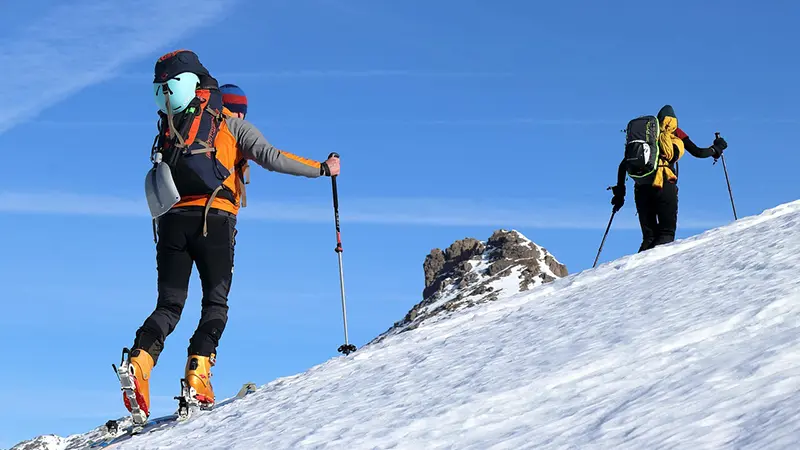
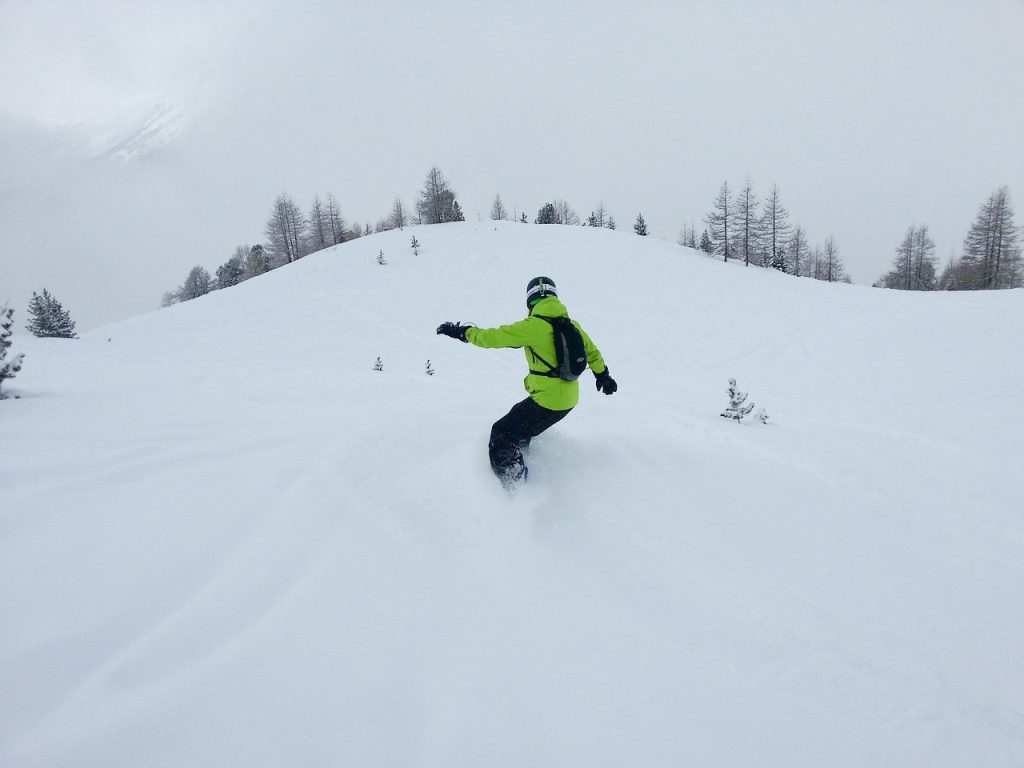
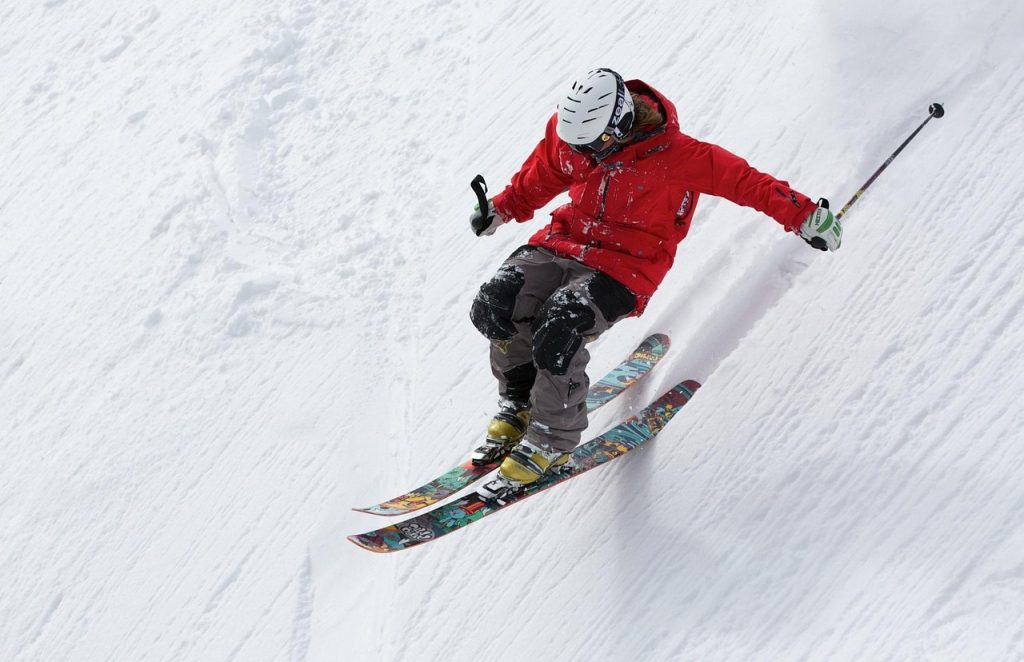
The images below provide visual motivation. Cross‑country skiing builds endurance and replicates the side‑to‑side motion of alpine skiing, while the explosive jump of a snowboarder highlights the importance of calf and core strength.
Final word
Fit legs and a strong core turn a winter holiday from survival into pleasure. Follow this three‑week plan, eat to fuel your sessions and rest like a pro. Whether you’re carving pistes or gliding on a board, training smartly now will ensure you arrive on the Riviera ready to dominate the slopes.