
Where to Stay in Mallorca: Best Areas for Every Trip
By Marina Zeelie
Where to stay in Mallorca depends less on your budget than on the kind of island you want: city, cove, mountain village, marina, family beach or full Balearic escape.
That is the first secret of Mallorca. It is not one holiday. It is several holidays wearing the same sun hat.
There is Palma, all honey-stone streets, rooftop cocktails, galleries, cathedral shadows and late dinners. There is the Serra de Tramuntana, where villages sit between mountains and sea with the confidence of places that know they are beautiful. There is Sóller, softer and citrus-scented, with its vintage tram and protected harbour. There is the north, where Pollença, Port de Pollença, Alcúdia and Playa de Muro make life wonderfully easy for families, cyclists and beach lovers. There is Calvià, which can mean polished yacht-and-beach-club glamour or a very different kind of resort holiday, depending on where you land. And then there is the south-east, where Cala d’Or, Cala Figuera and Mondragó offer a gentler cove-hopping rhythm.
So the real question is not simply “Where should I stay in Mallorca?” It is: which Mallorca do you want to wake up in?
For UK travellers searching the Balearics, Balearic Islands or even Baleares, Mallorca often looks like the obvious island. It is the biggest, the best connected and the easiest to explain. Yet once you are planning properly, it becomes the most complicated of the lot, precisely because it offers so much.
Choose badly, and you can spend half your holiday driving between the island you booked and the island you actually wanted. Choose well, and Mallorca becomes one of the most rewarding destinations in the Mediterranean.
Mallorca at a glance: the best base for your trip
Best for first-timers: Palma
Best all-rounder: Sóller or Port de Sóller
Best for families: Alcúdia, Playa de Muro or Port de Pollença
Best for couples: Deià, Valldemossa, Sóller or Palma old town
Best without a car: Palma
Best for coves: Cala d’Or, Cala Figuera and the south-east
Best for beach clubs and marina polish: Illetes, Bendinat, Portals Nous and Port d’Andratx
Best side for scenery: west / north-west
Best side for easy beaches: north
Best side for coves: south-east
Here is the Riviera Ready way to choose your base:
Palma: best for first-timers, food, culture and stylish short breaks
Palma is the best place to stay in Mallorca if you want the island without committing to a resort.
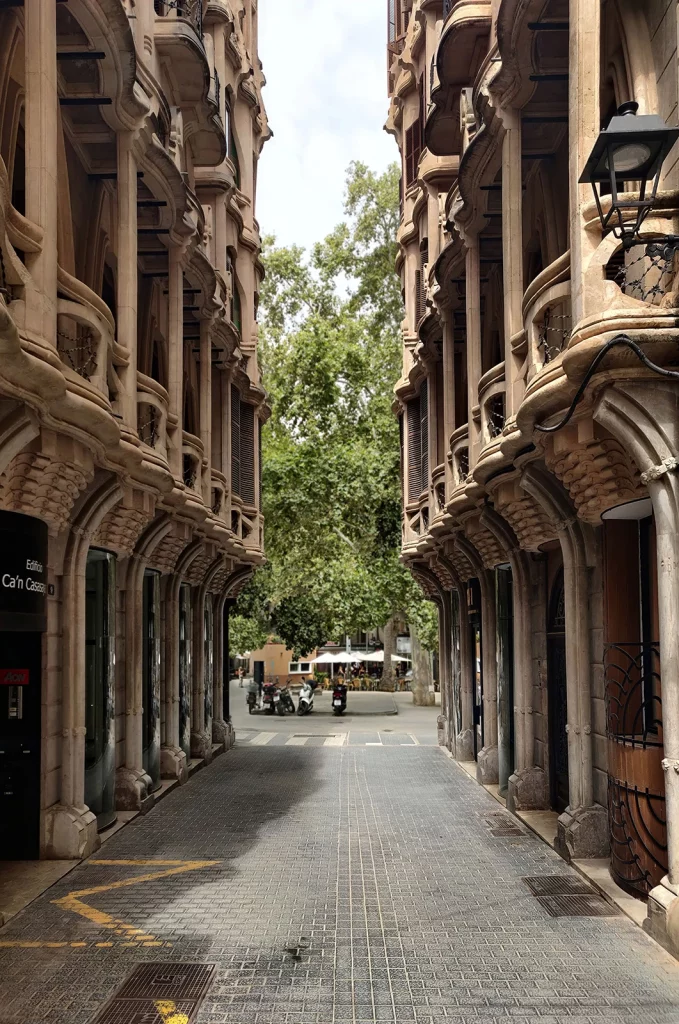
The capital gives you the most elegant introduction: La Seu Cathedral, old-town courtyards, Santa Catalina restaurants, galleries, boutiques, the marina, rooftop bars and enough urban life to make a long weekend feel properly grown-up. It is also the easiest base if you do not want to hire a car. You can walk, taxi, bus, shop, eat, wander, return to the hotel, change for dinner and never once have to negotiate a mountain road in sandals.
Stay in the old town if you want atmosphere: stone streets, hidden patios, boutique hotels and that sense of stepping from heat into cool shadow. Stay around La Llotja or Sant Jaume for a more polished, romantic version of Palma. Stay near Santa Catalina if food, bars and a slightly younger rhythm matter. Look towards Portixol if you want the city softened by sea air and a promenade.
Palma is particularly strong for couples, solo travellers, first-timers, culture lovers and anyone doing three or four nights rather than a full beach fortnight. It also works beautifully outside peak summer. In spring, autumn and even winter, Palma still has a reason to exist beyond sun loungers.
The trade-off? It is not the classic beach-holiday version of Mallorca. Yes, you can reach beaches, and Palma has its own coastal pleasures, but if your dream is to step straight from breakfast to a turquoise cove, this is not the purest answer.
Marina’s note: I would choose Palma for a first Mallorca trip if I wanted restaurants, old-town wandering, one cathedral visit, one rooftop evening and a little black dress that earns its suitcase space.
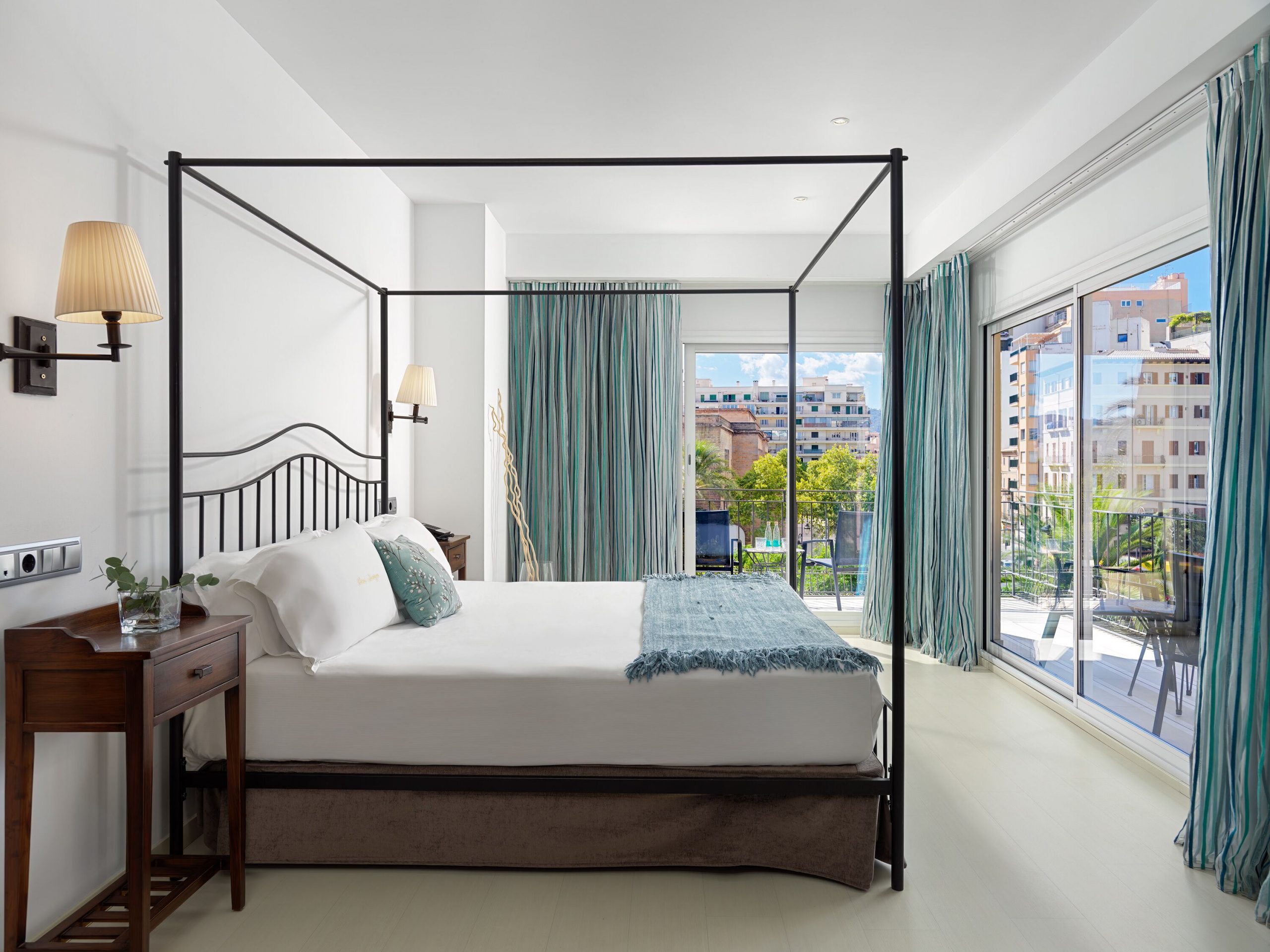
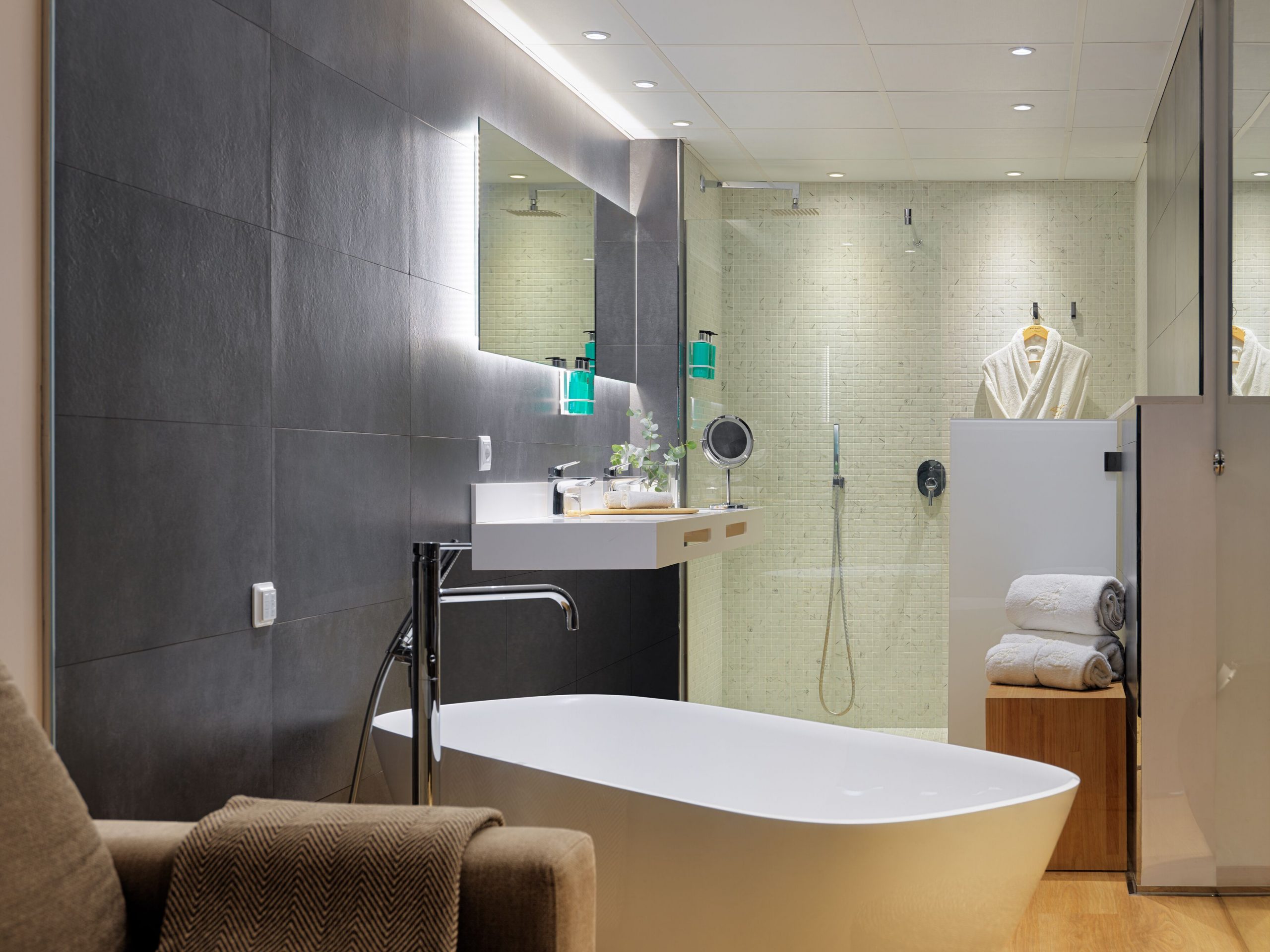
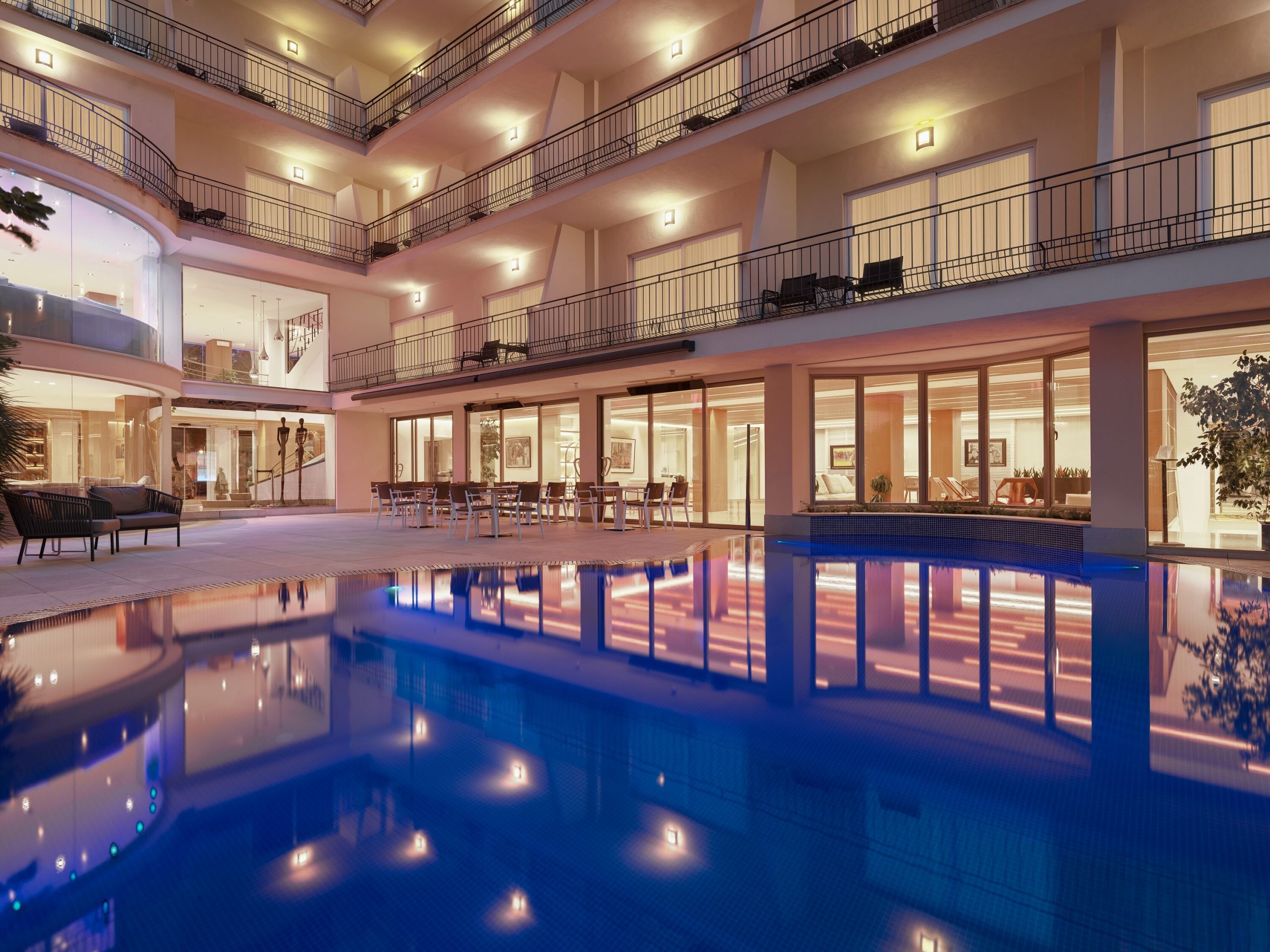
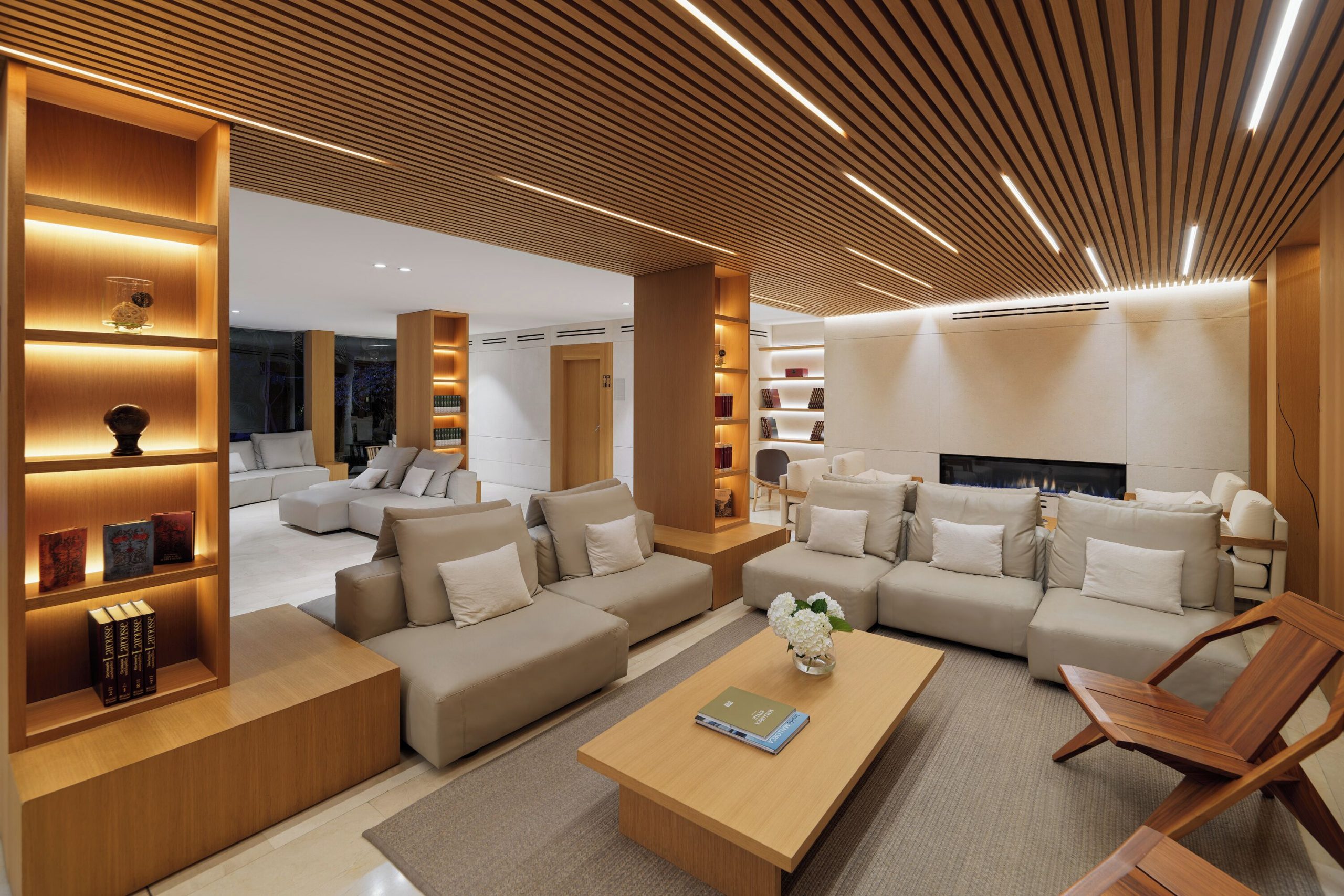
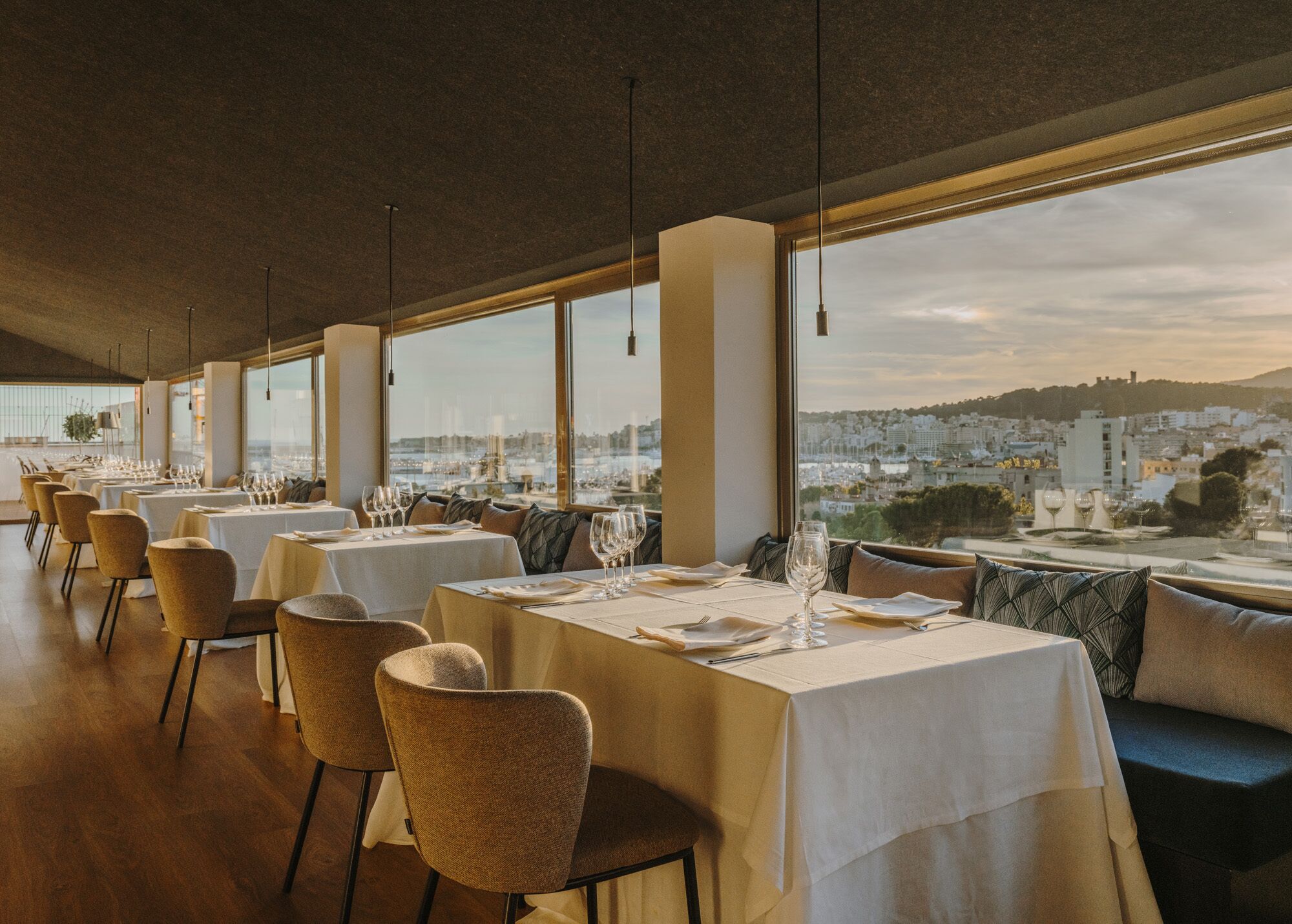
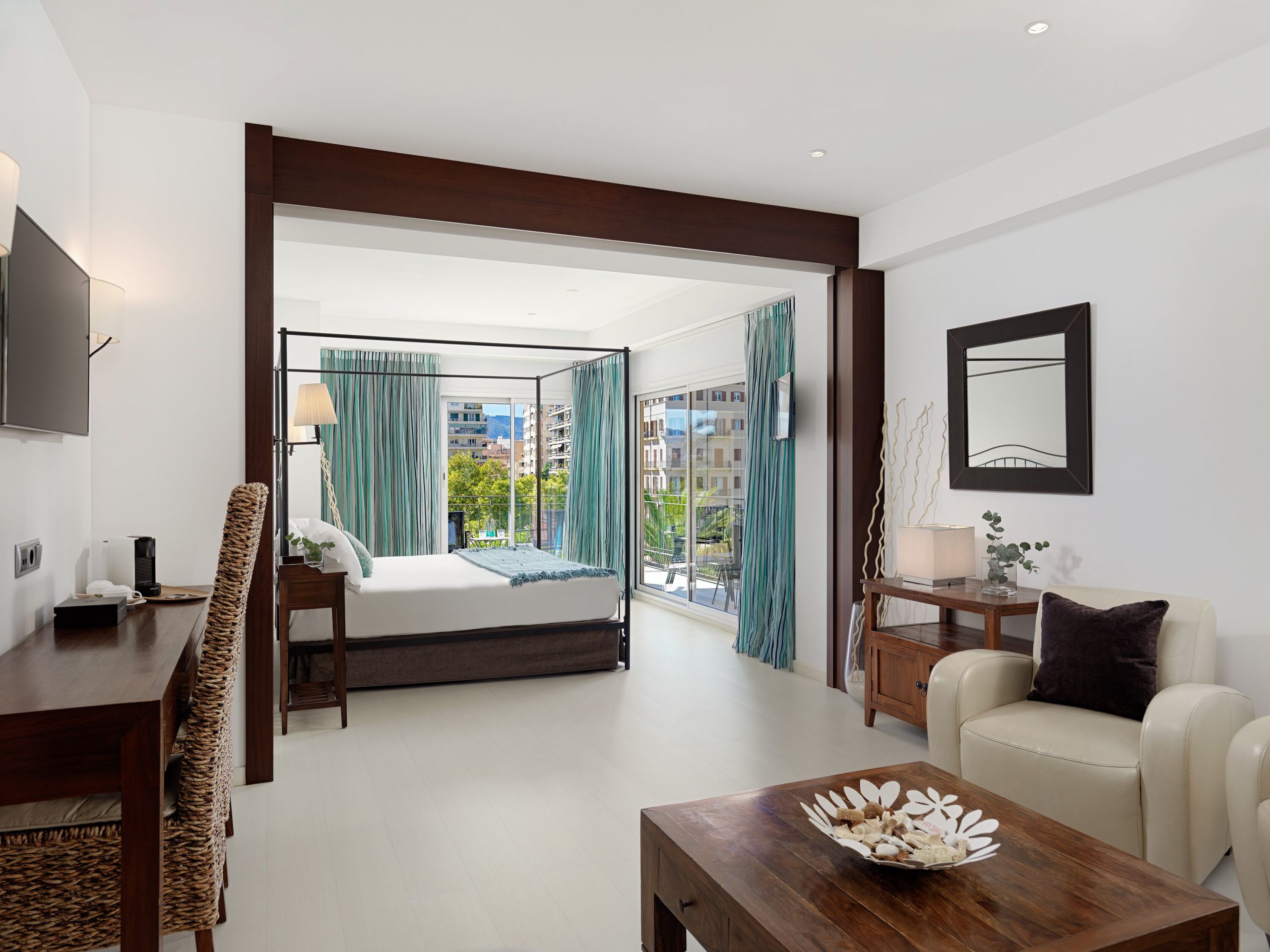
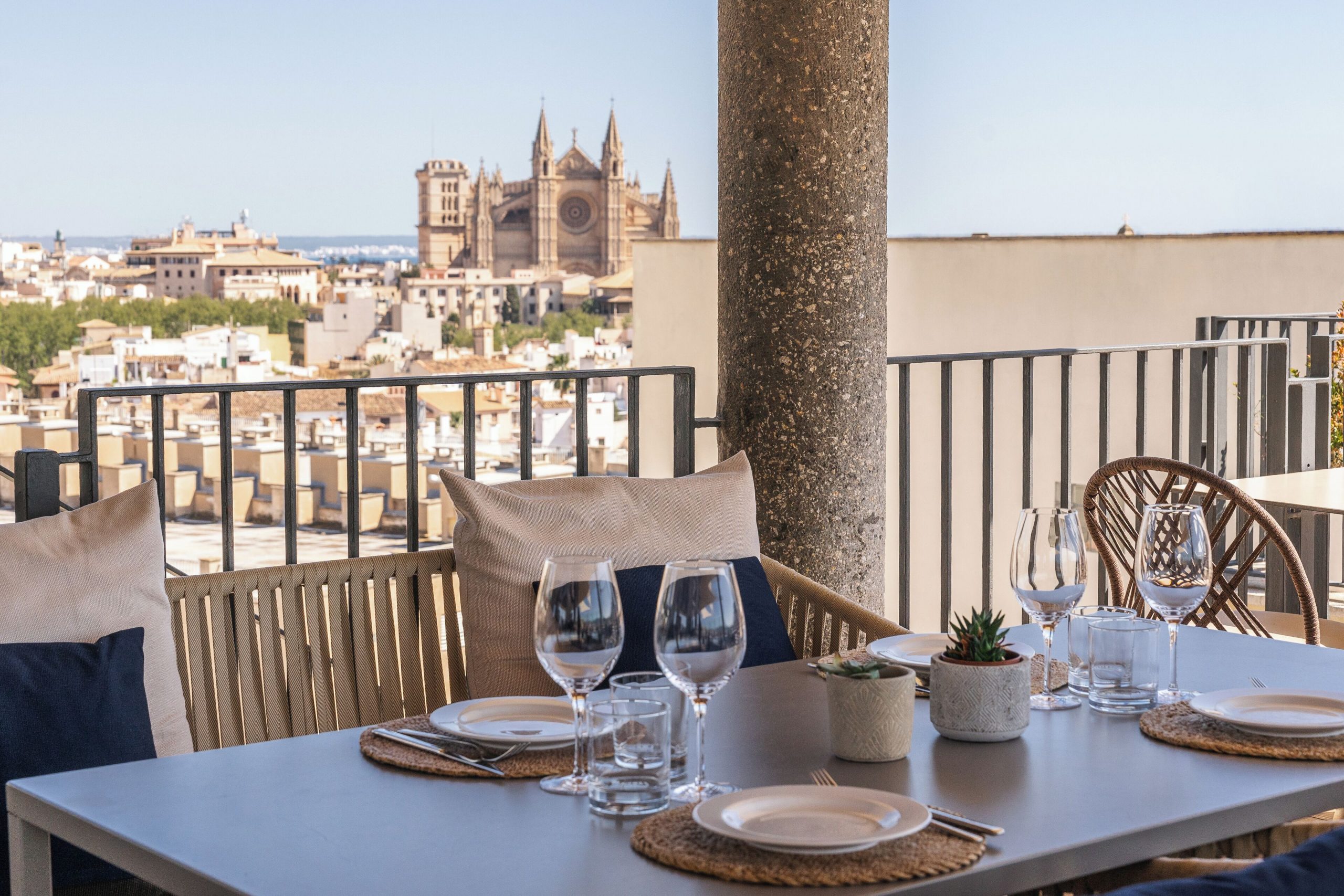
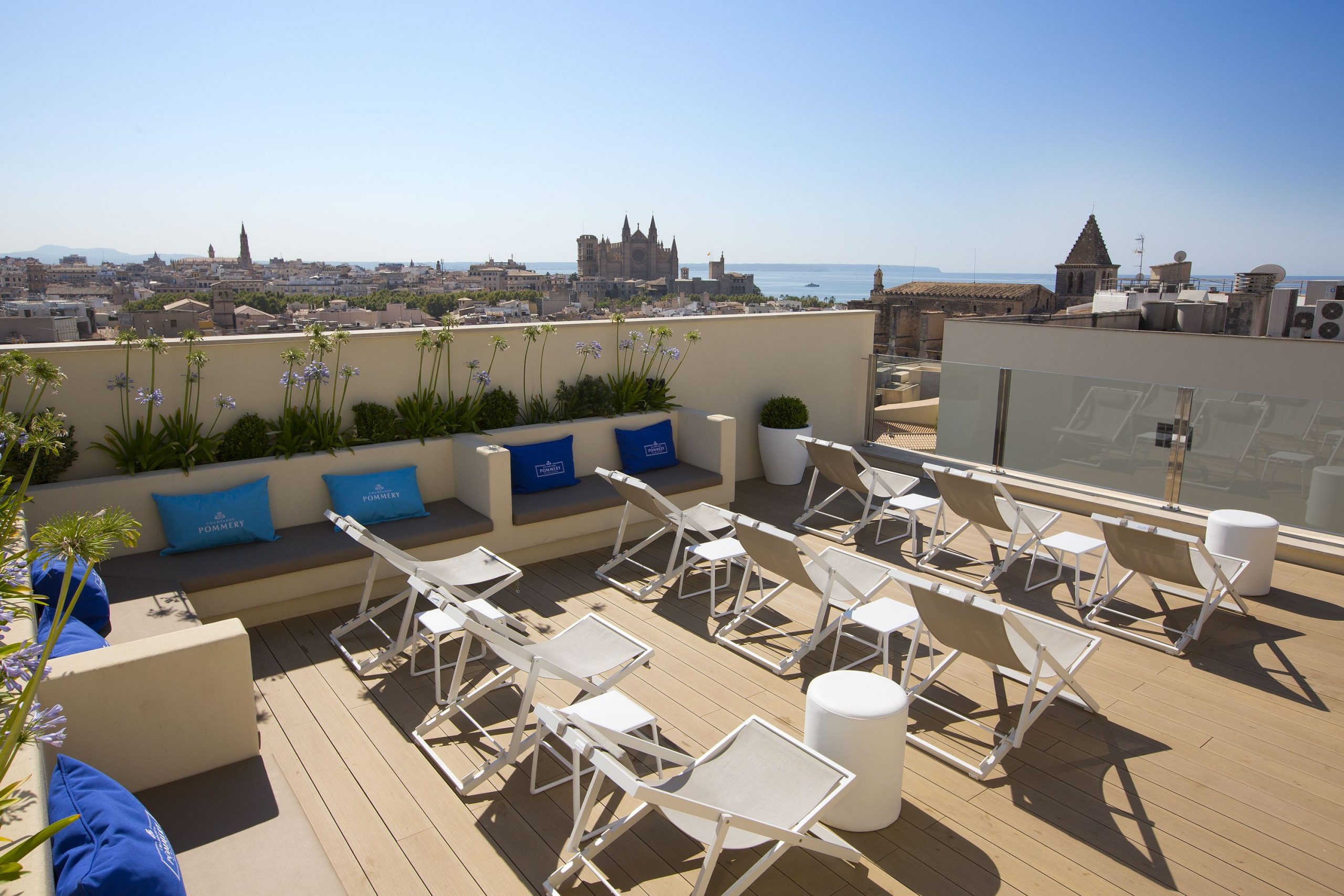
For a polished Palma base, look at Hotel Saratoga.
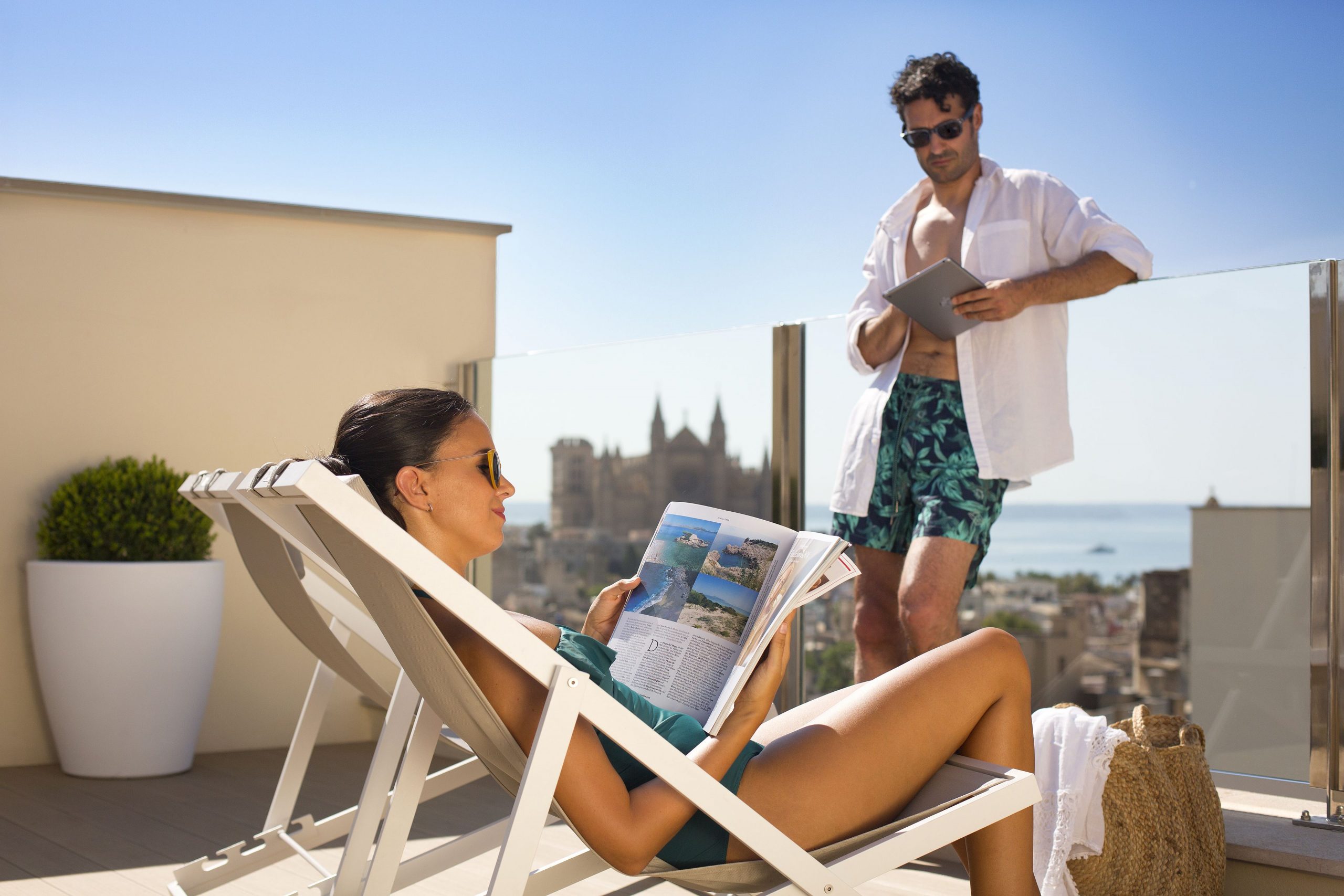
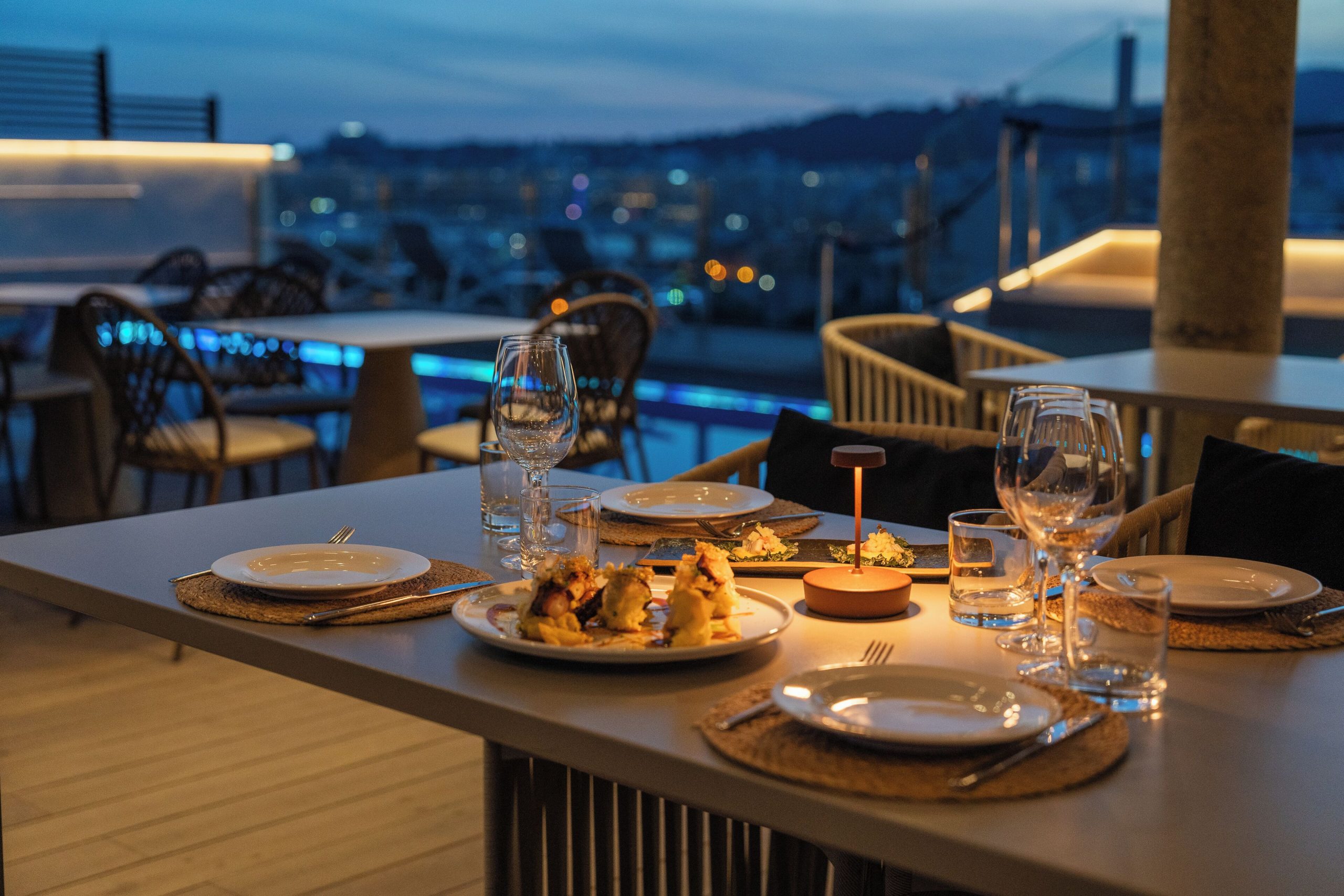
Located close to Es Baluard Museum of Modern and Contemporary Art and Port of Palma de Mallorca, Hotel Saratoga provides a poolside bar, a rooftop terrace and a coffee shop/cafe.

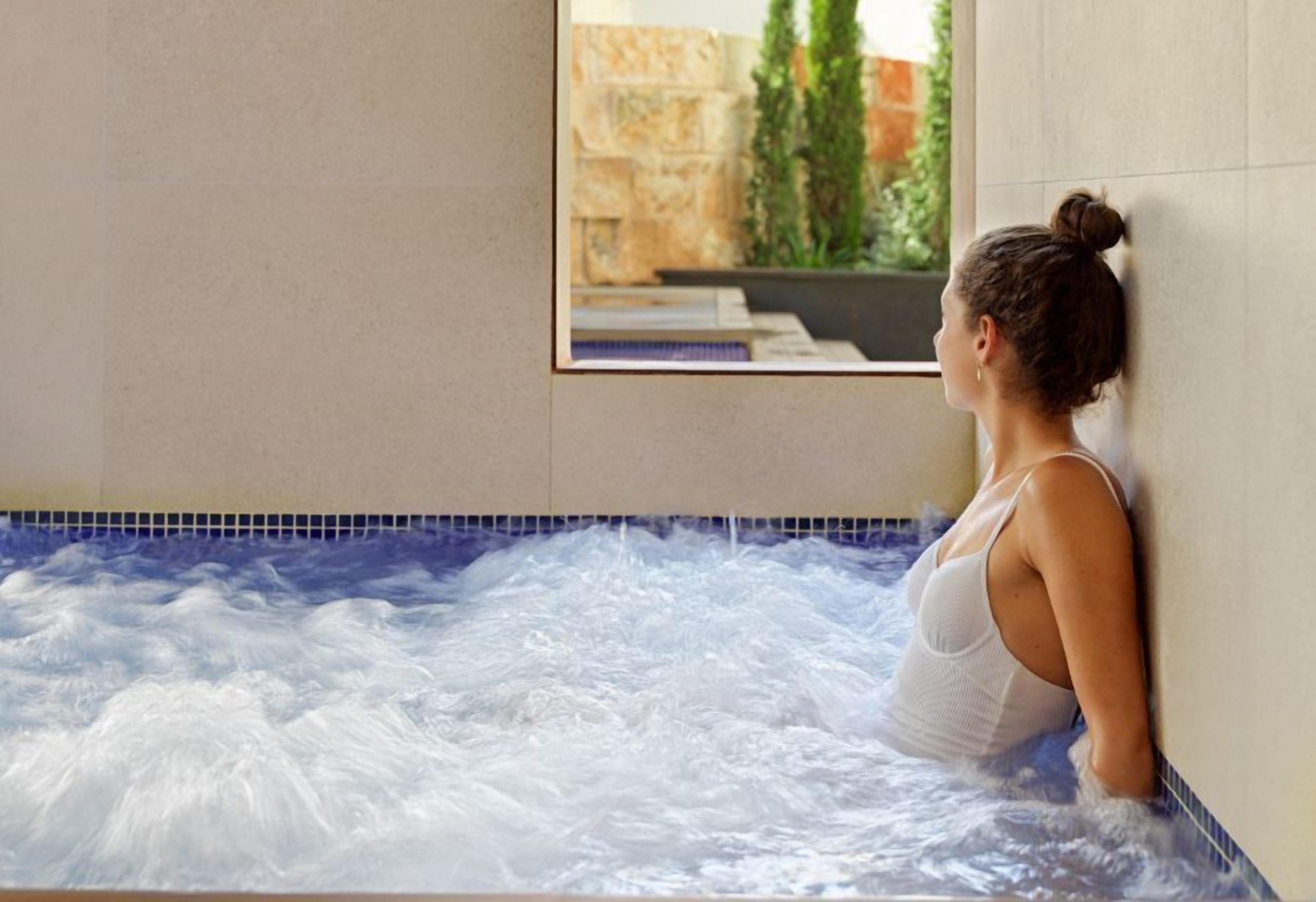
Illetes, Bendinat and Portals Nous: best for polished west-coast luxury
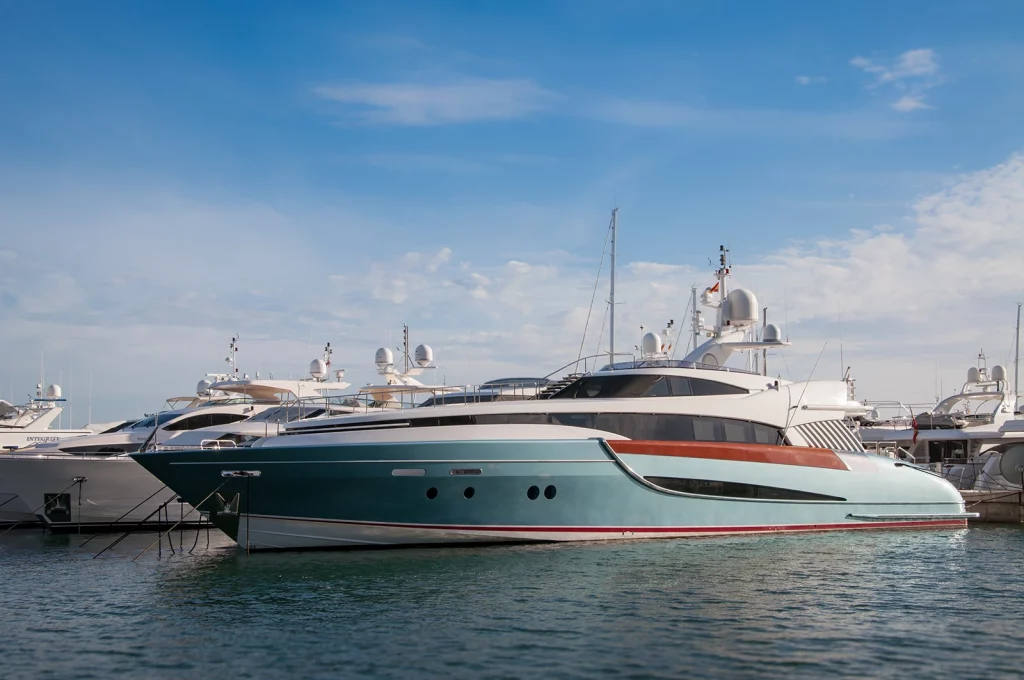
Just west of Palma, the island changes tone.
Illetes, Bendinat and Portals Nous are for travellers who want beach access, smoother hotels, marina proximity and a more polished south-west mood without being too far from the capital. This is not village Mallorca. It is not literary Mallorca. It is the version with white loungers, good sunglasses, yacht conversations, beach clubs, easy taxis and the ability to go into Palma for dinner without turning the evening into an expedition.
Portals Nous and nearby Puerto Portals are the most obvious yacht-and-marina names. Bendinat is quieter and more residential. Illetes gives you beach appeal with a more compact, resort-like feel. Together, they form one of the most useful luxury belts on the island: close to Palma, convenient from the airport and smart enough for a proper Riviera Ready stay.
This is a good choice for couples, luxury weekenders, marina people, beach-club travellers and anyone who wants Mallorca to feel relaxed but still groomed.
It is less ideal if you want cobbled village romance or a sense of old rural Mallorca. You are buying convenience, polish and a controlled west-coast mood, not a rustic island fantasy.
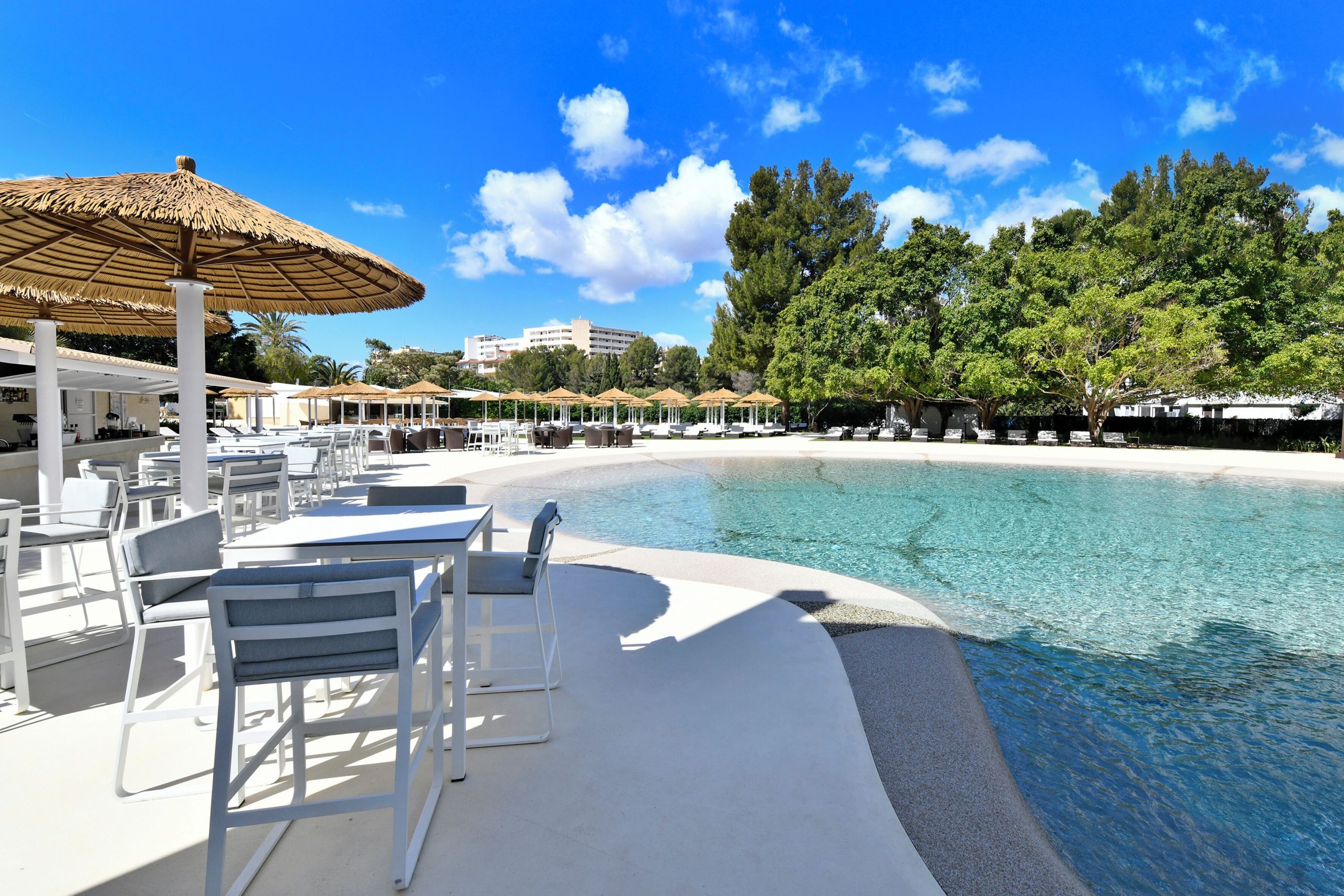
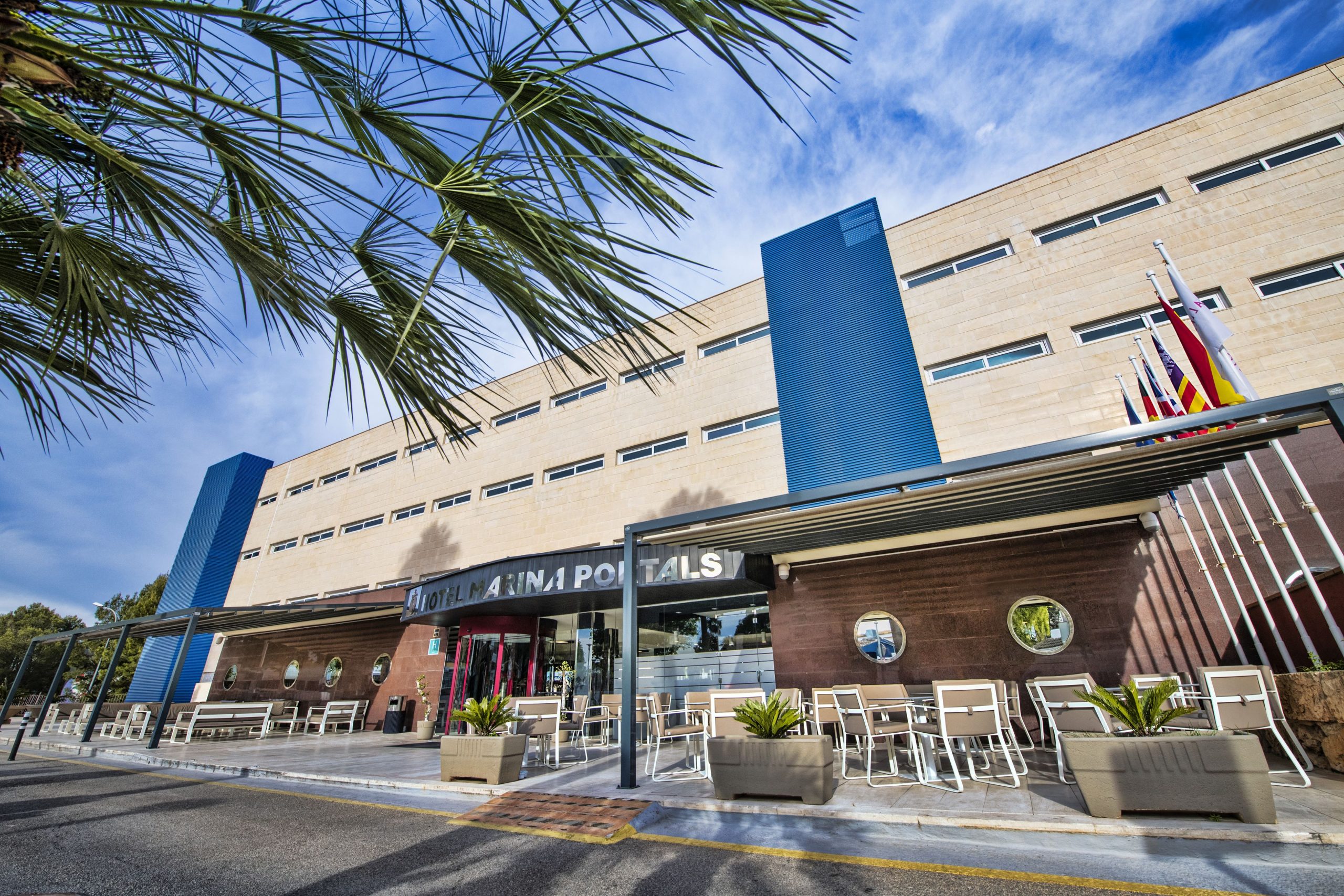
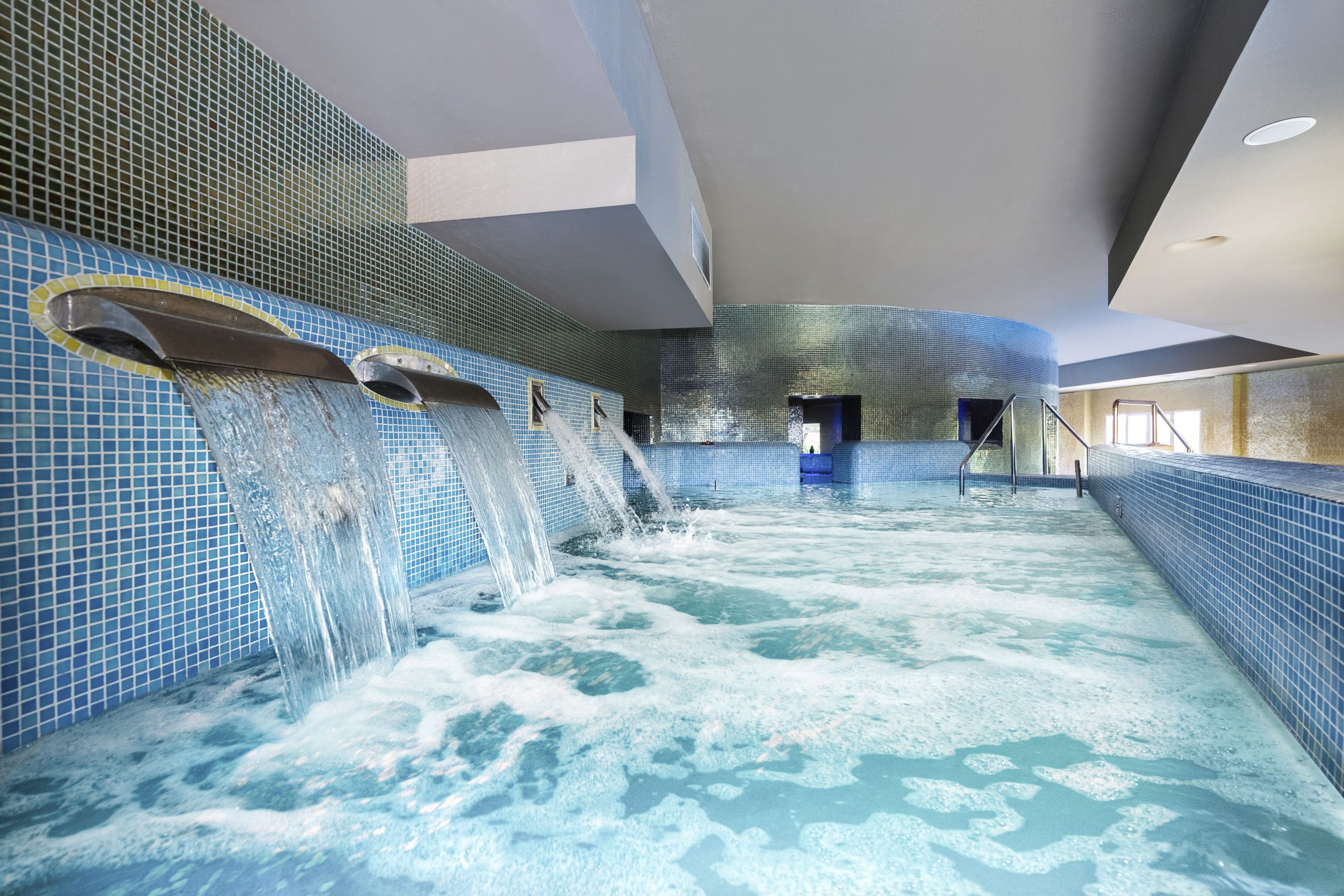
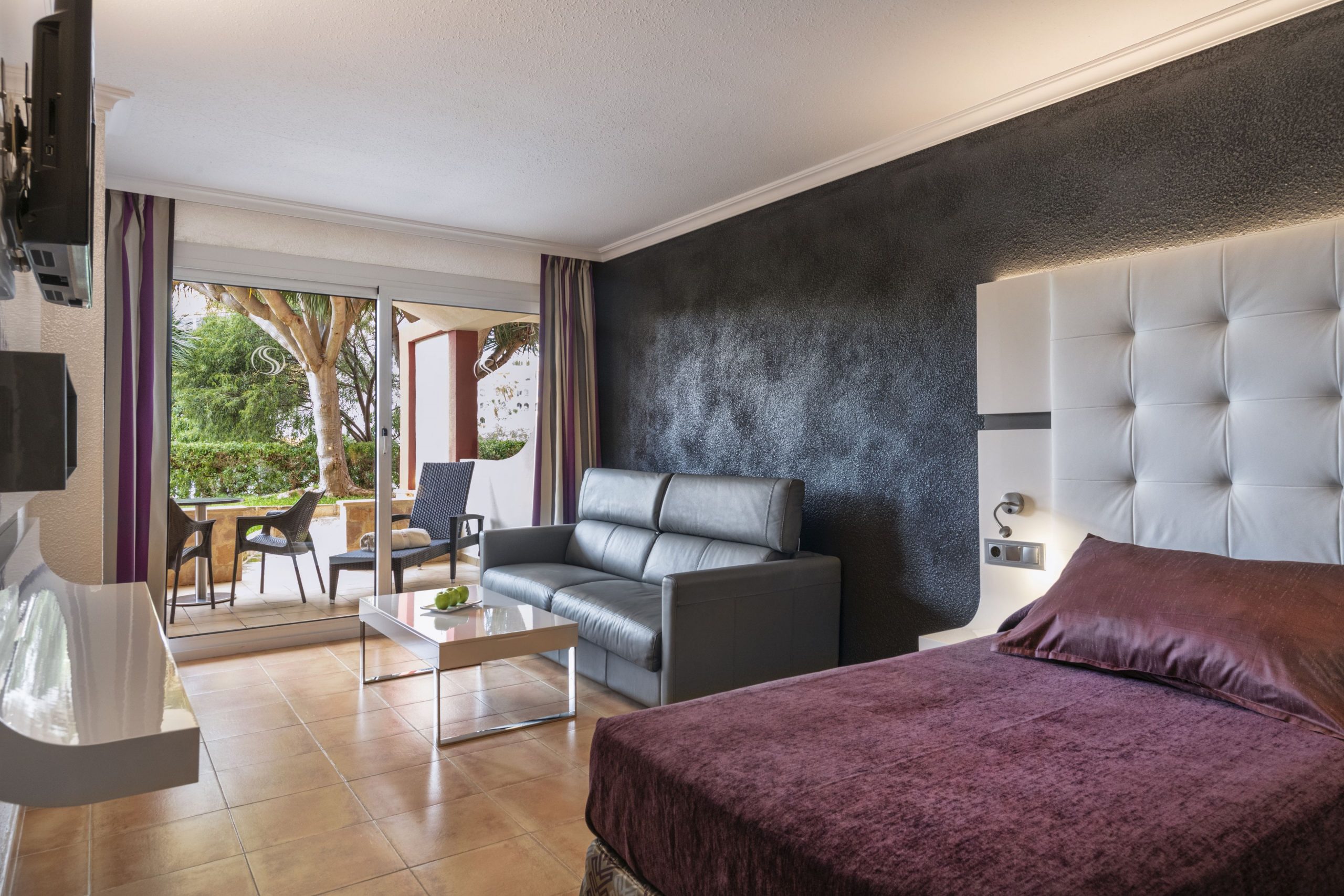
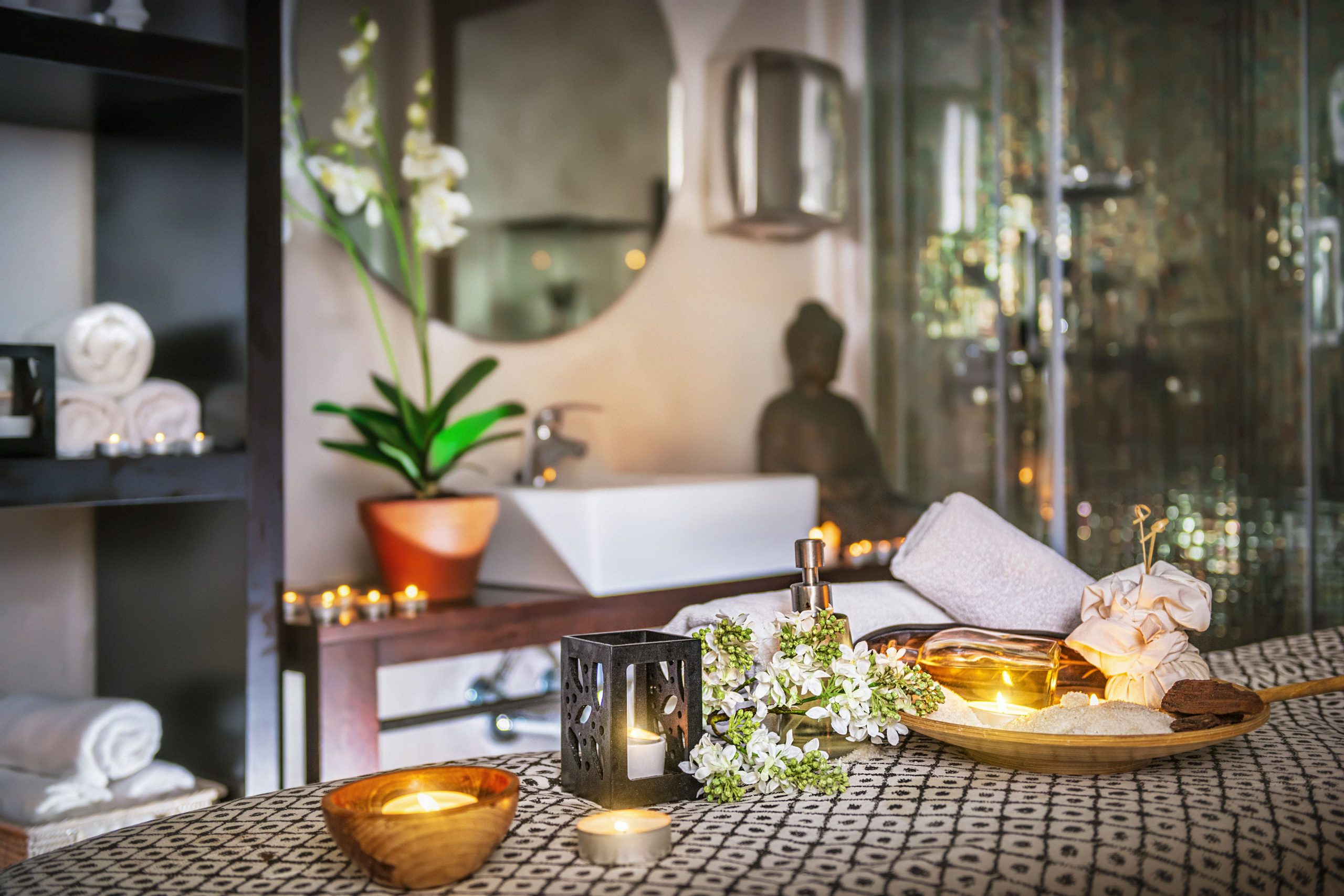
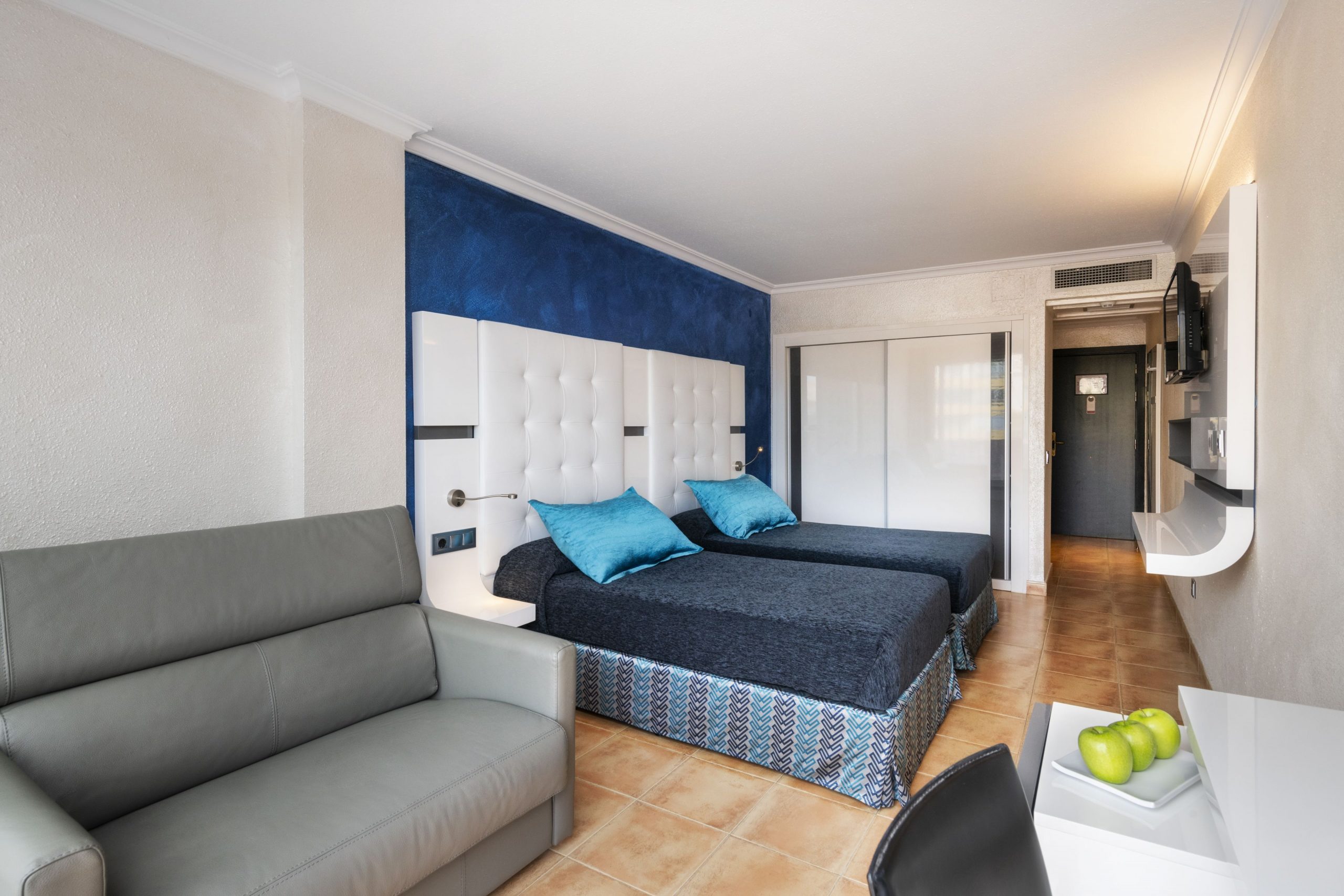
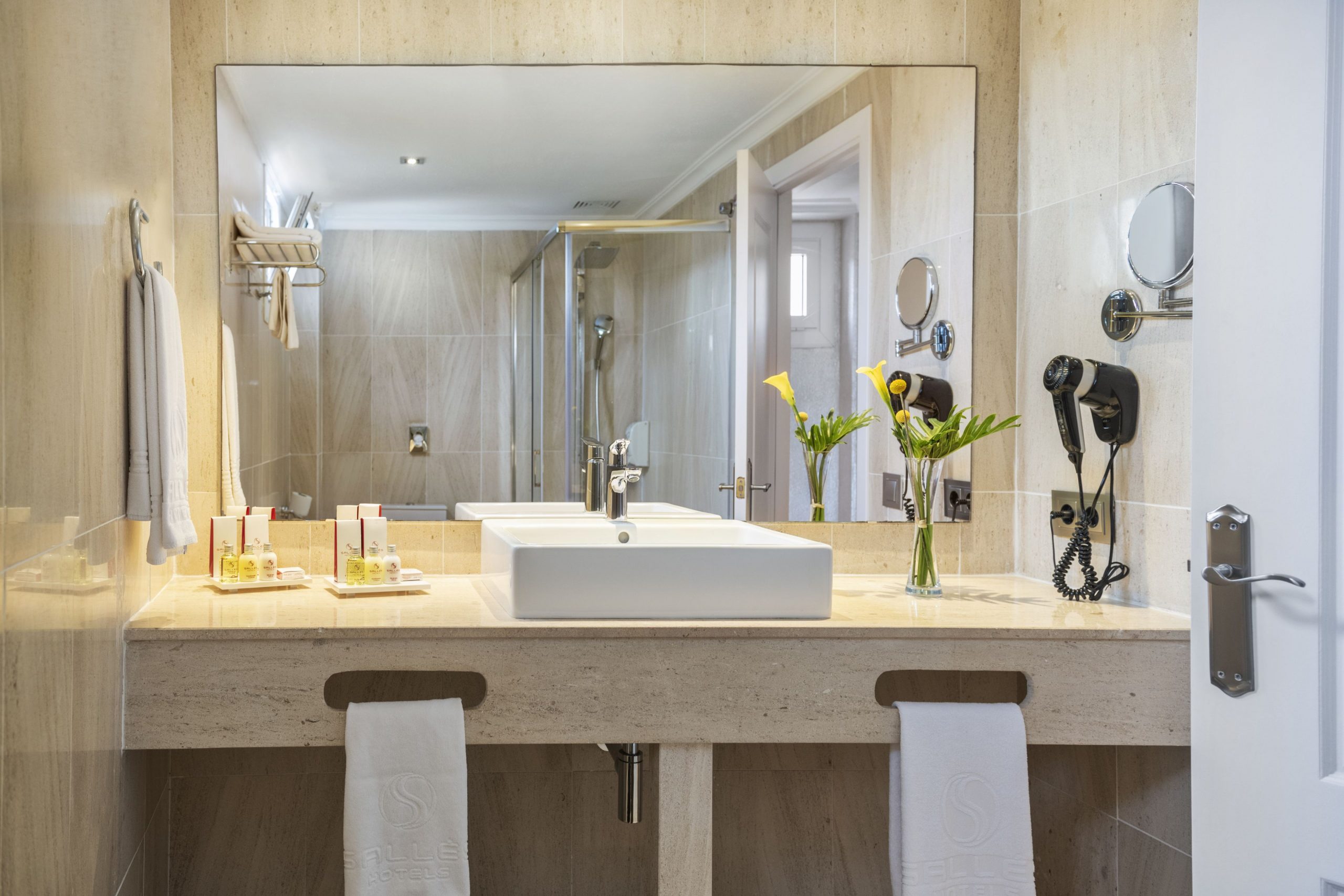
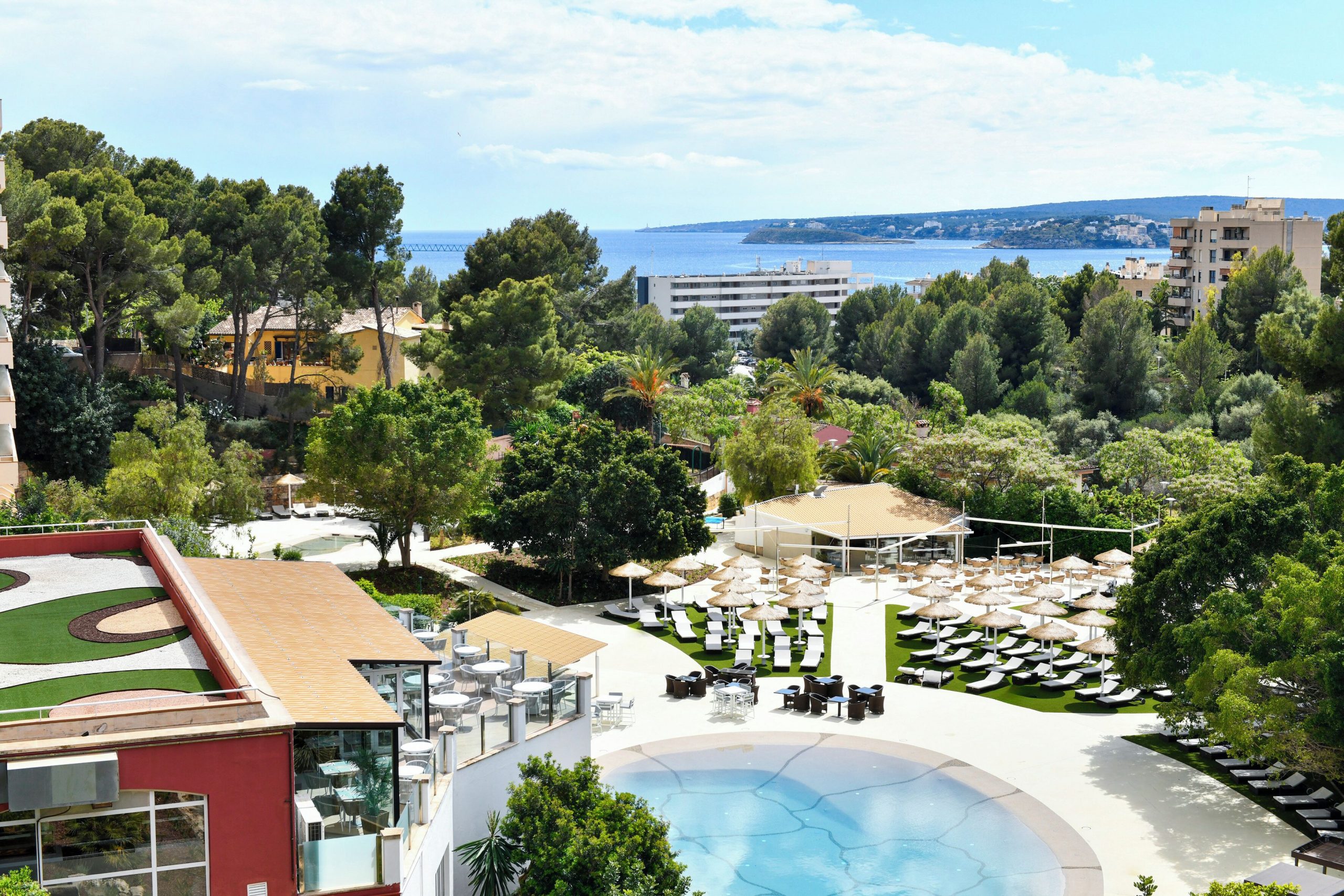
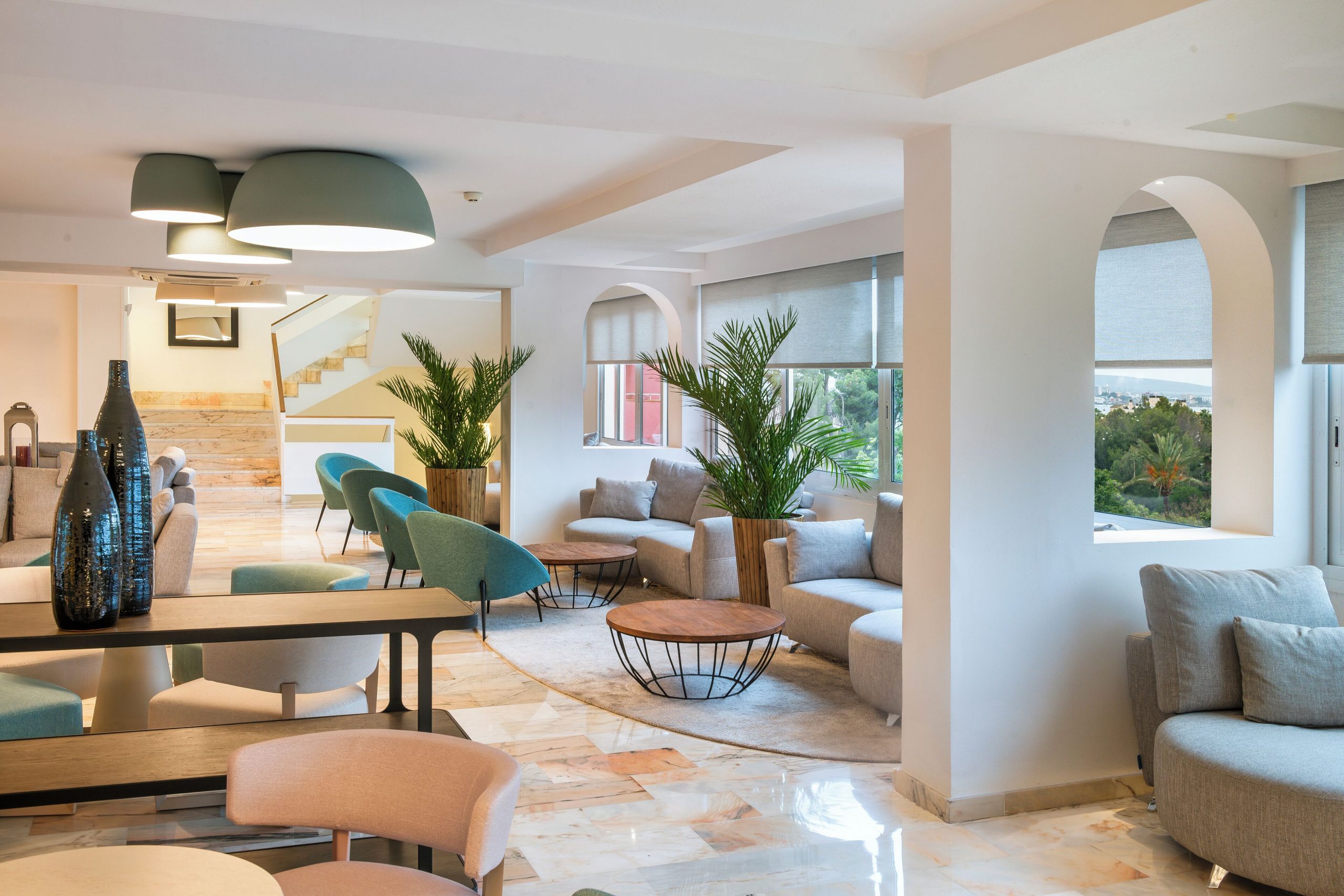
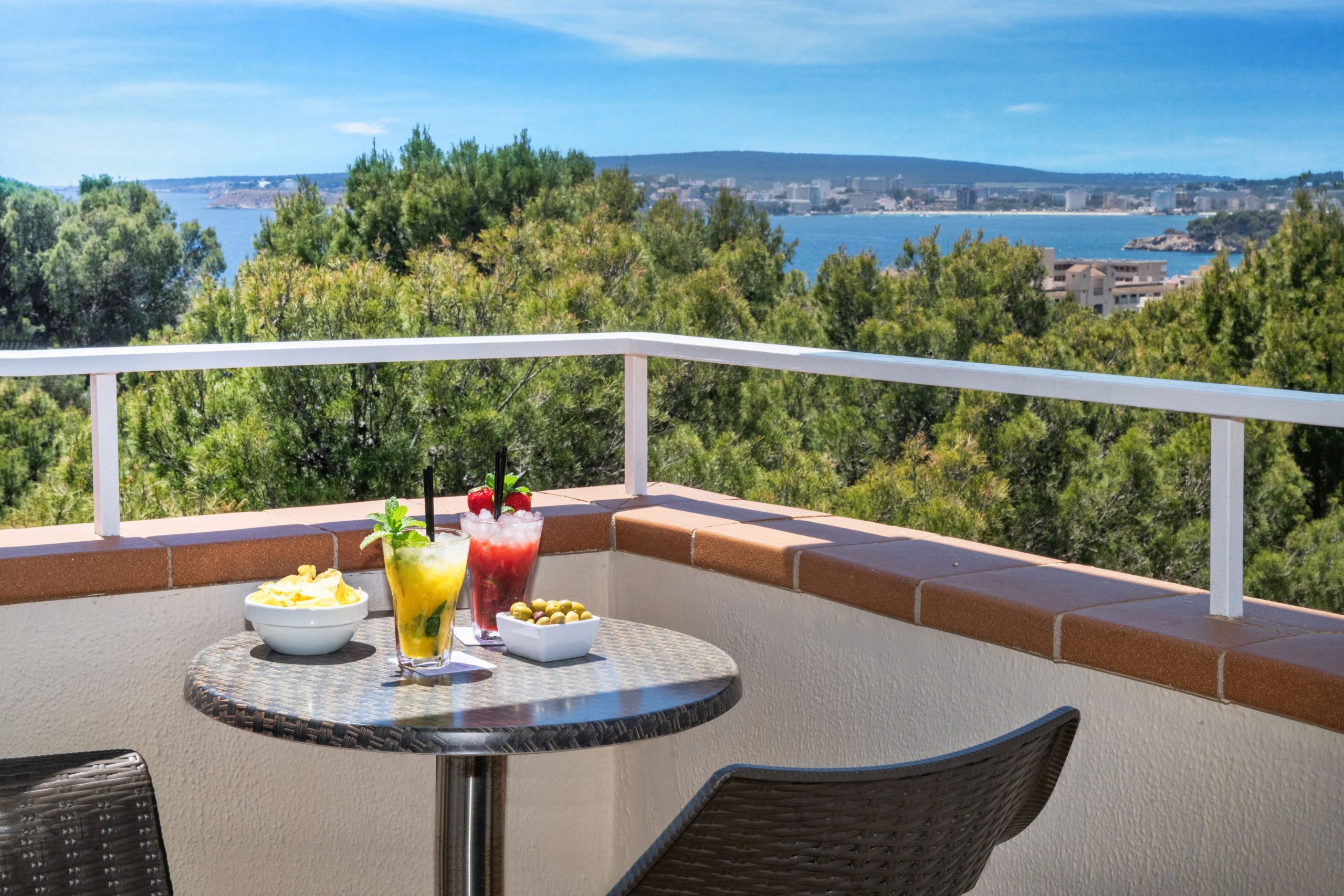
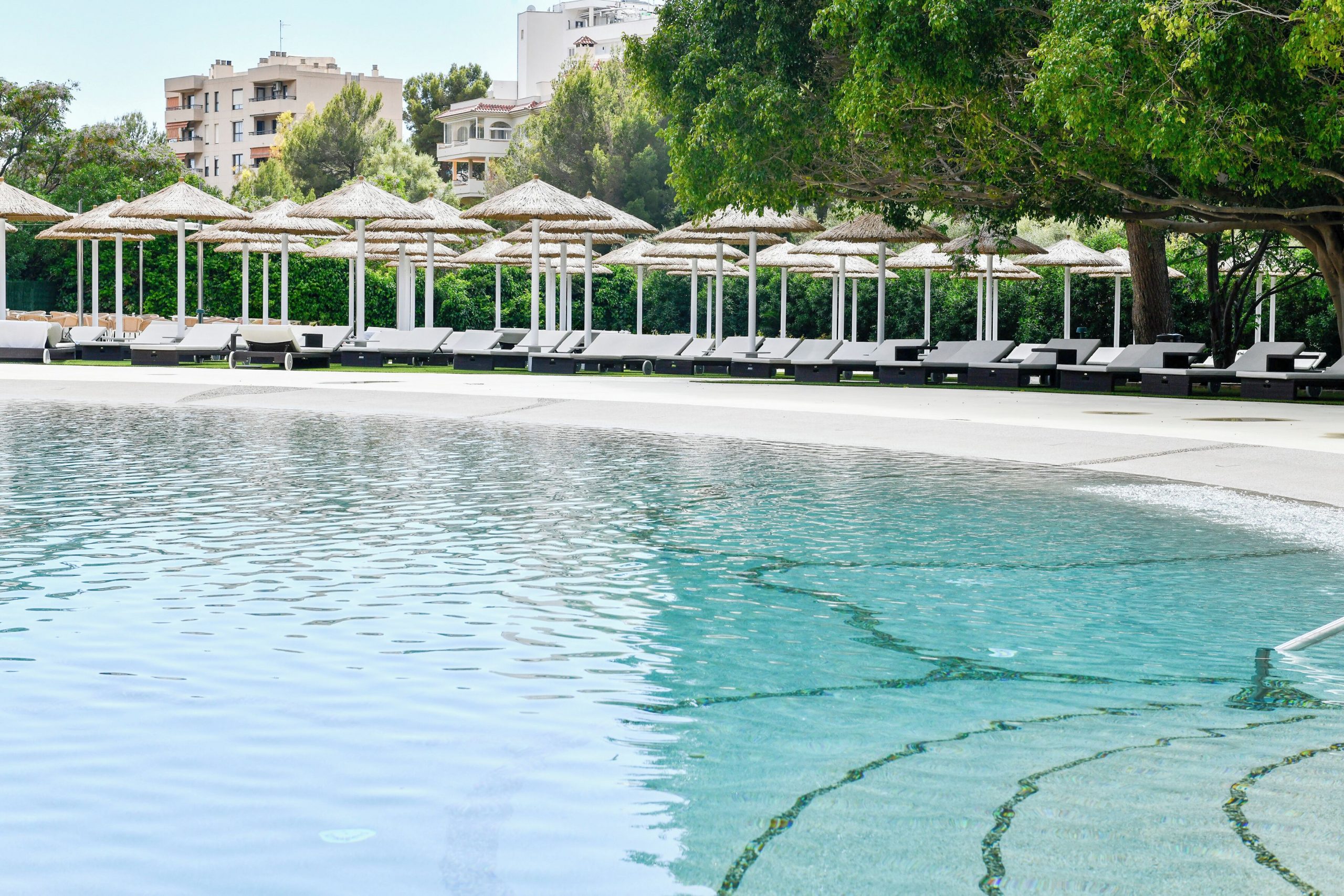
For accommodation, Sallés Hotel Marina Portals is a polished Portals Nous base for travellers who want Puerto Portals, beaches and Palma within easy reach, plus the comfort of pools, gardens and a spa without going into full five-star territory.
Palmanova and Santa Ponsa: best for easy family resort life
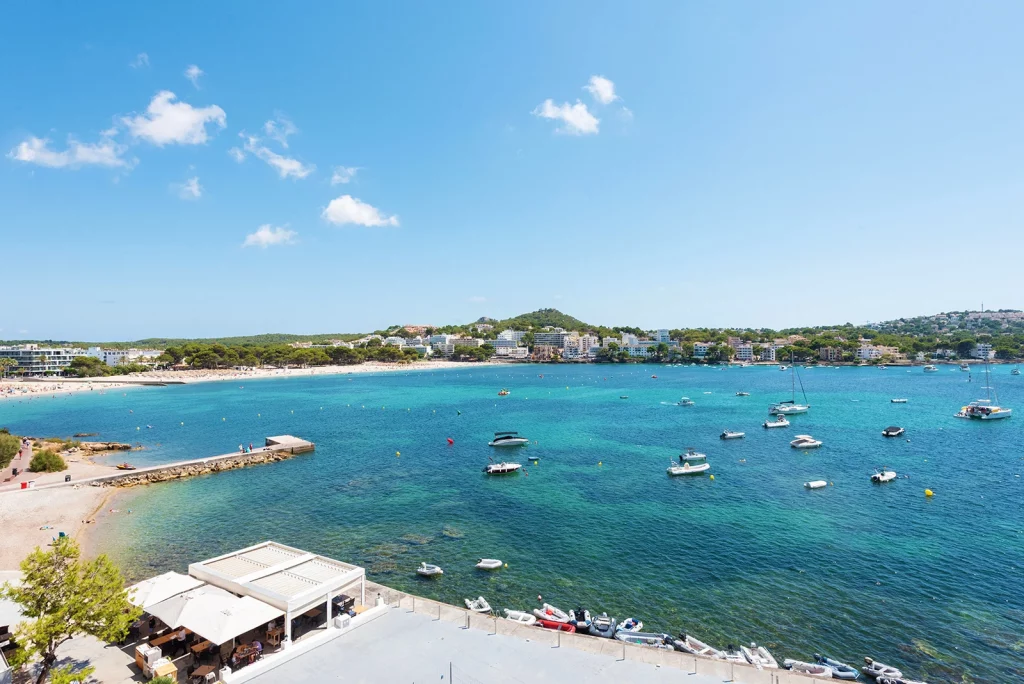
Palmanova and Santa Ponsa are not trying to be Deià. That is their strength.
These are practical resort bases: beach, restaurants, family infrastructure, easy transfers, simple evenings and fewer decisions. For families, multi-generational trips or travellers who want the logistics solved before they arrive, that can be exactly what is needed.
Palmanova is convenient, familiar and beach-led, with services that make a holiday easy rather than poetic. Santa Ponsa has a broader resort feel, with beach life, restaurants and access to the Calvià coast. Neither is the most atmospheric base in Mallorca, but both can be very effective if your priorities are swimming, space, food nearby and not having to reinvent the wheel every morning.
This is where some luxury travellers go wrong. They dismiss the mainstream resort areas as if every trip has to be boutique, remote and artfully inconvenient. Sometimes the right answer is a hotel where the children can eat at seven, the beach is close, and nobody has to drive after dinner.
The trade-off is character. If you want Mallorca to feel cinematic, historic or quietly glamorous, stay elsewhere and come here only if the practical advantages outweigh the lack of romance.
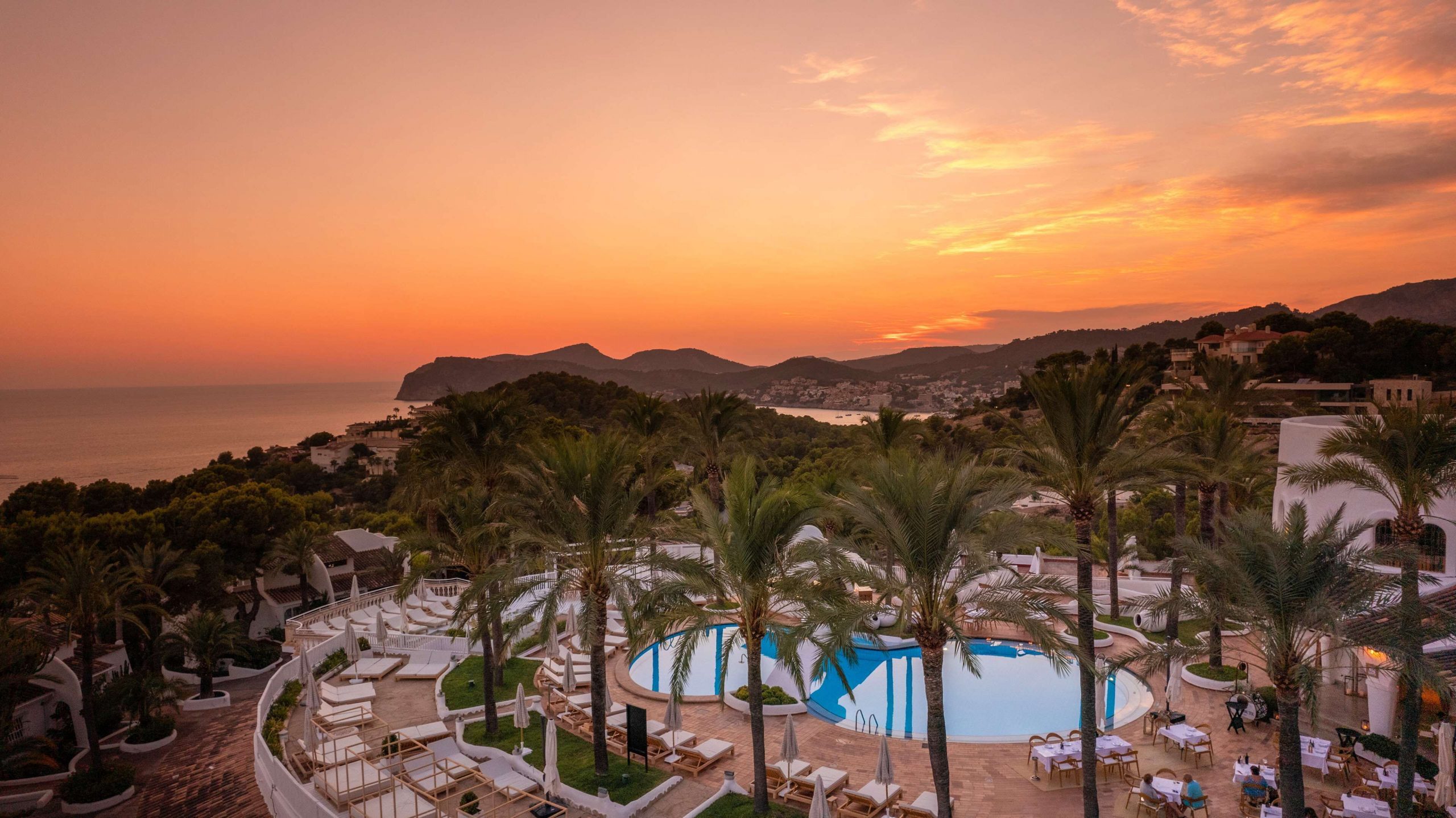
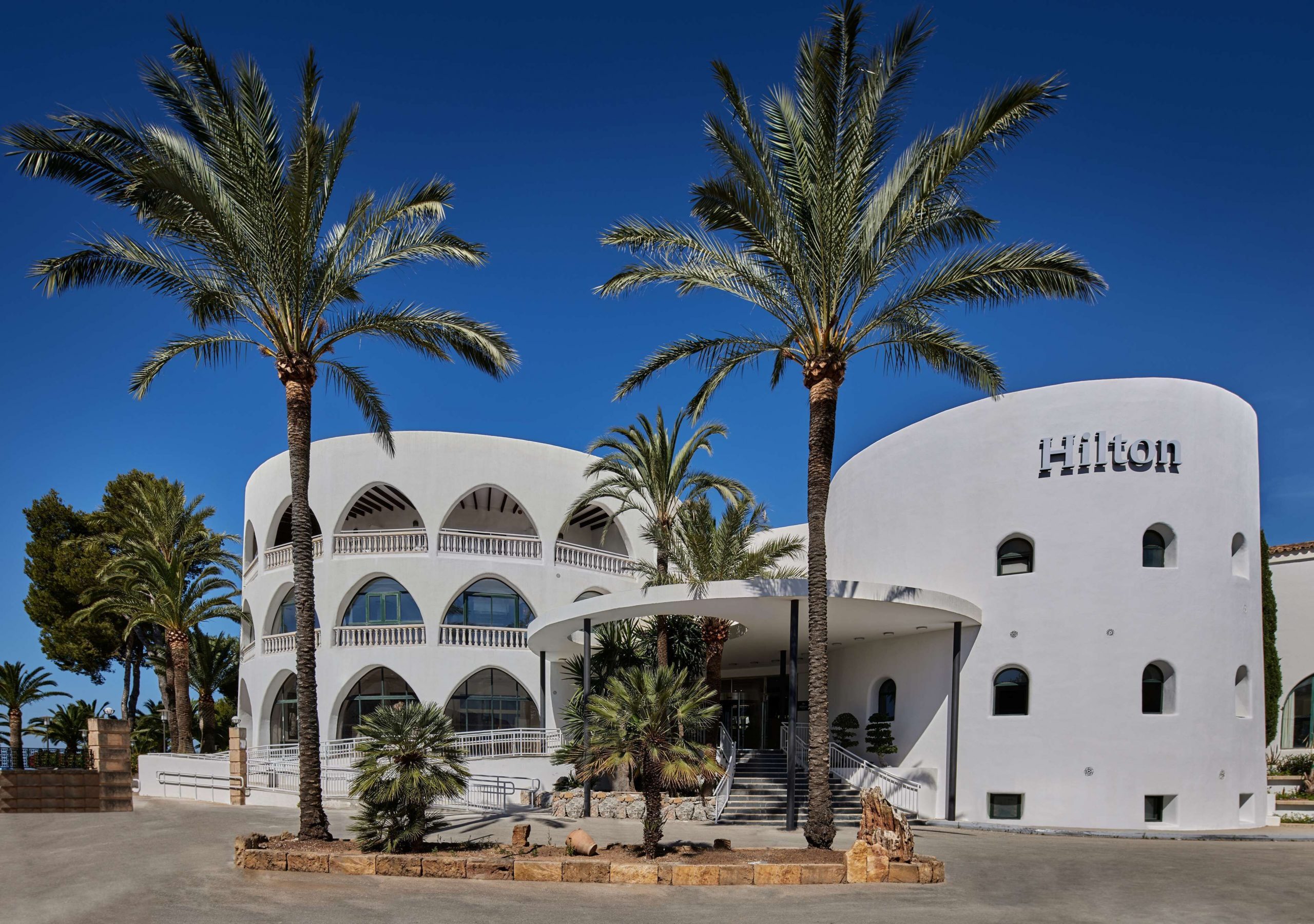
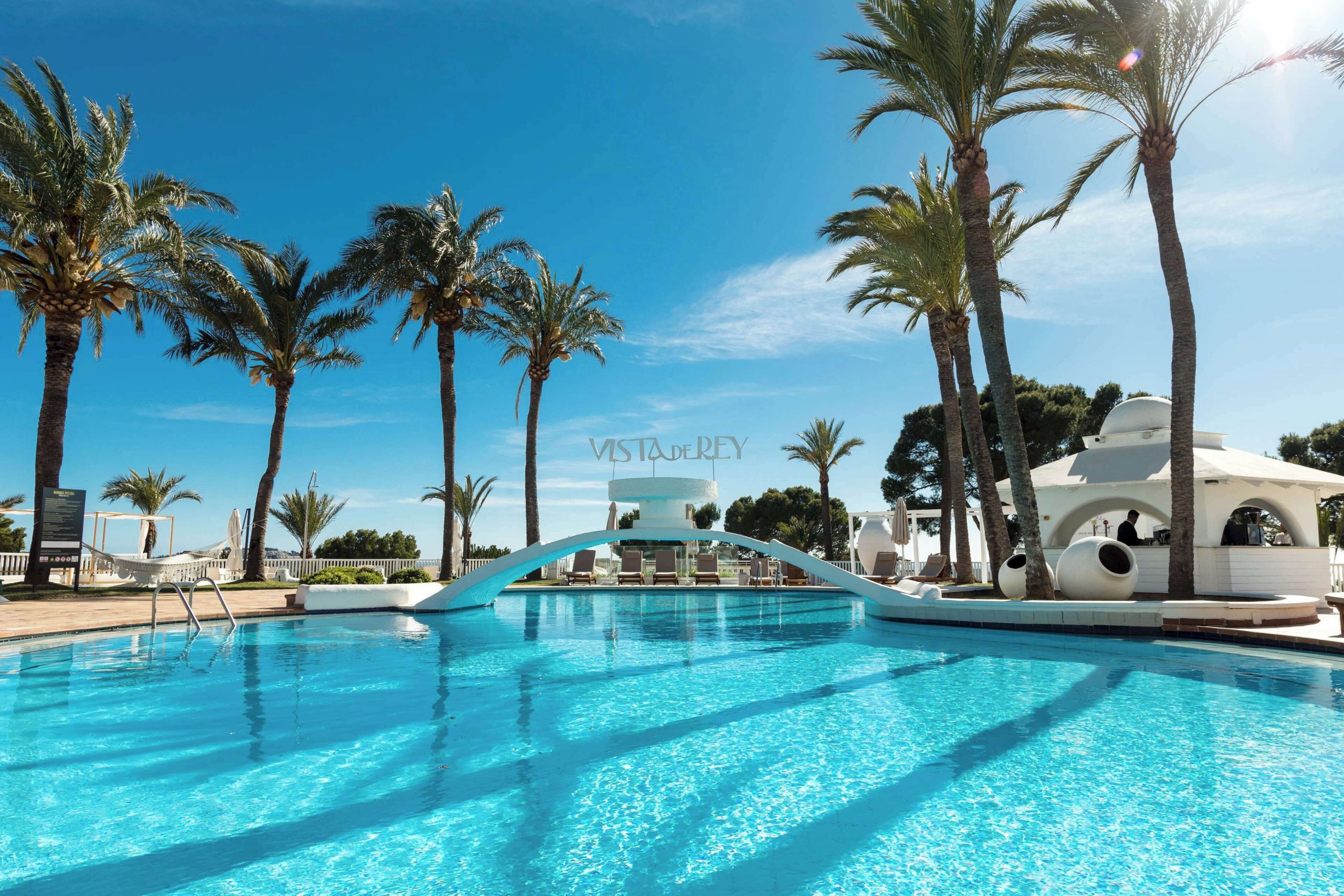
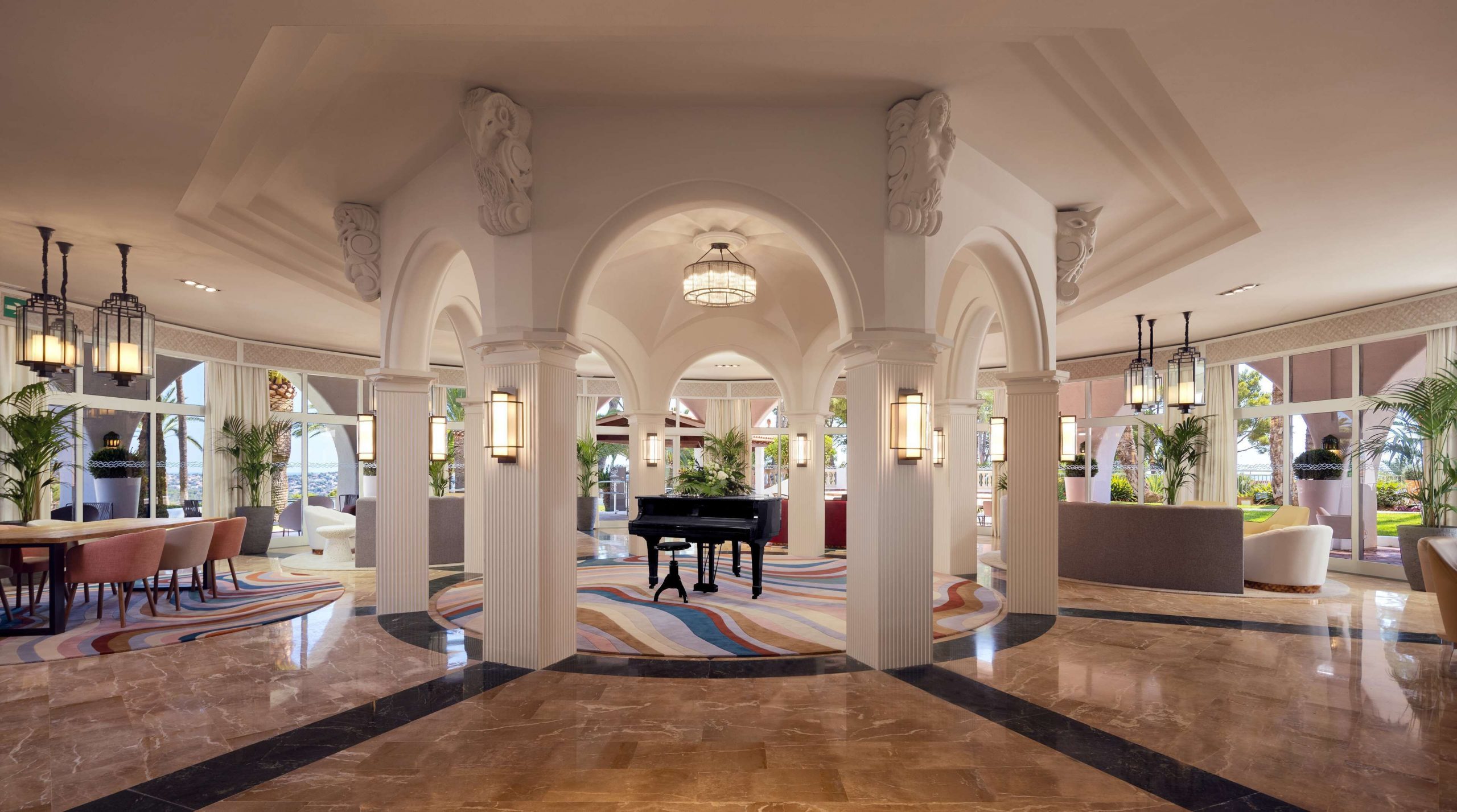
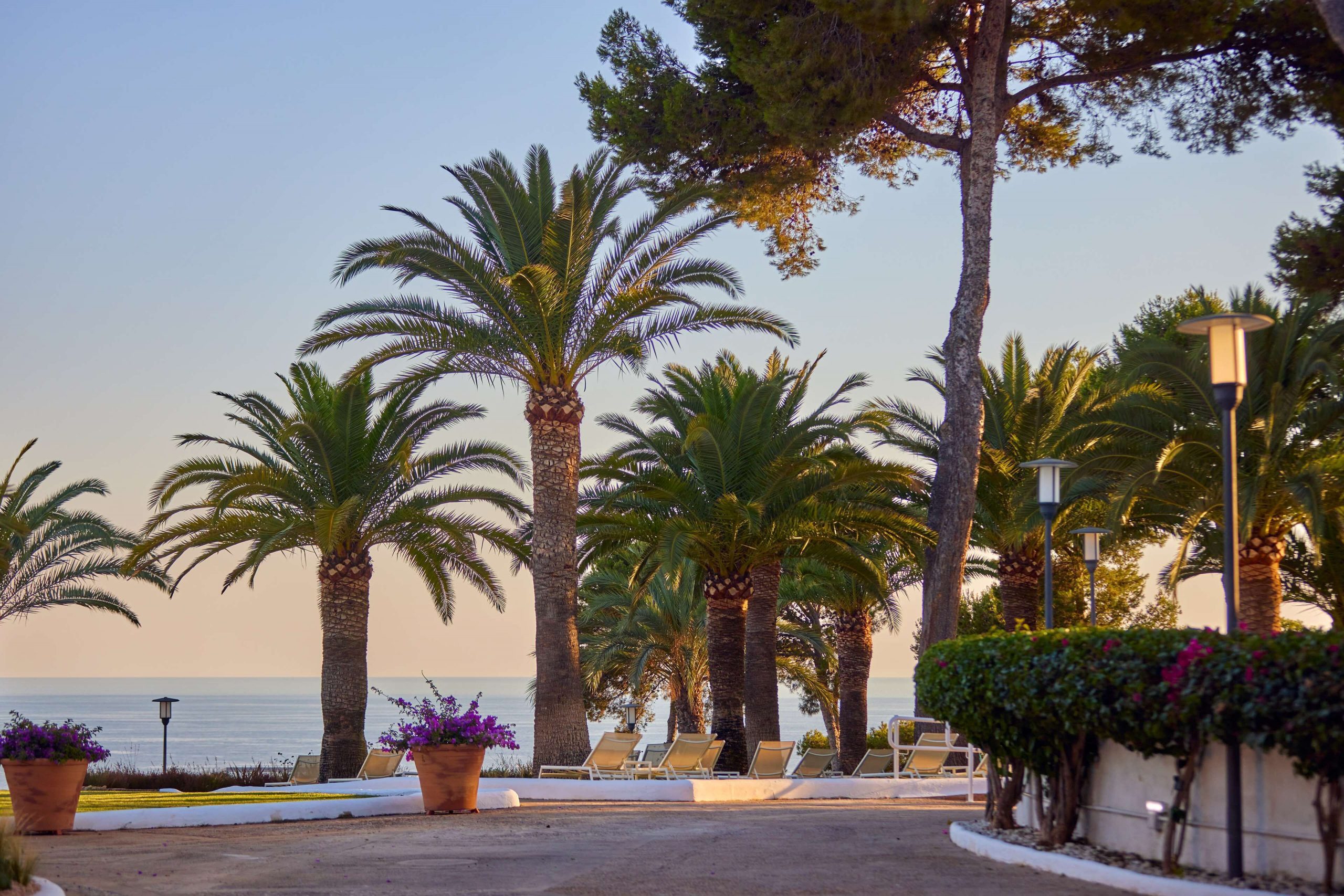
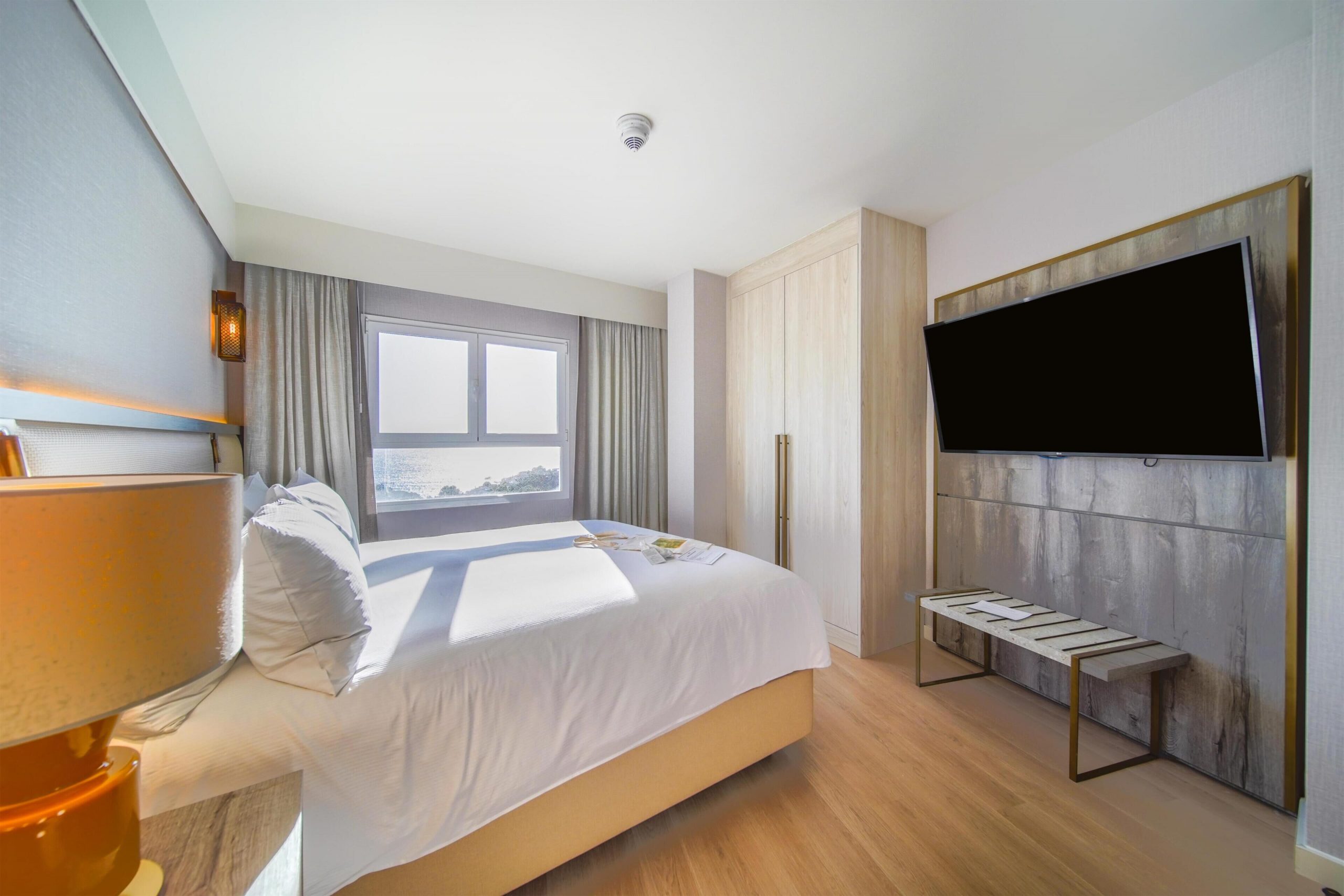
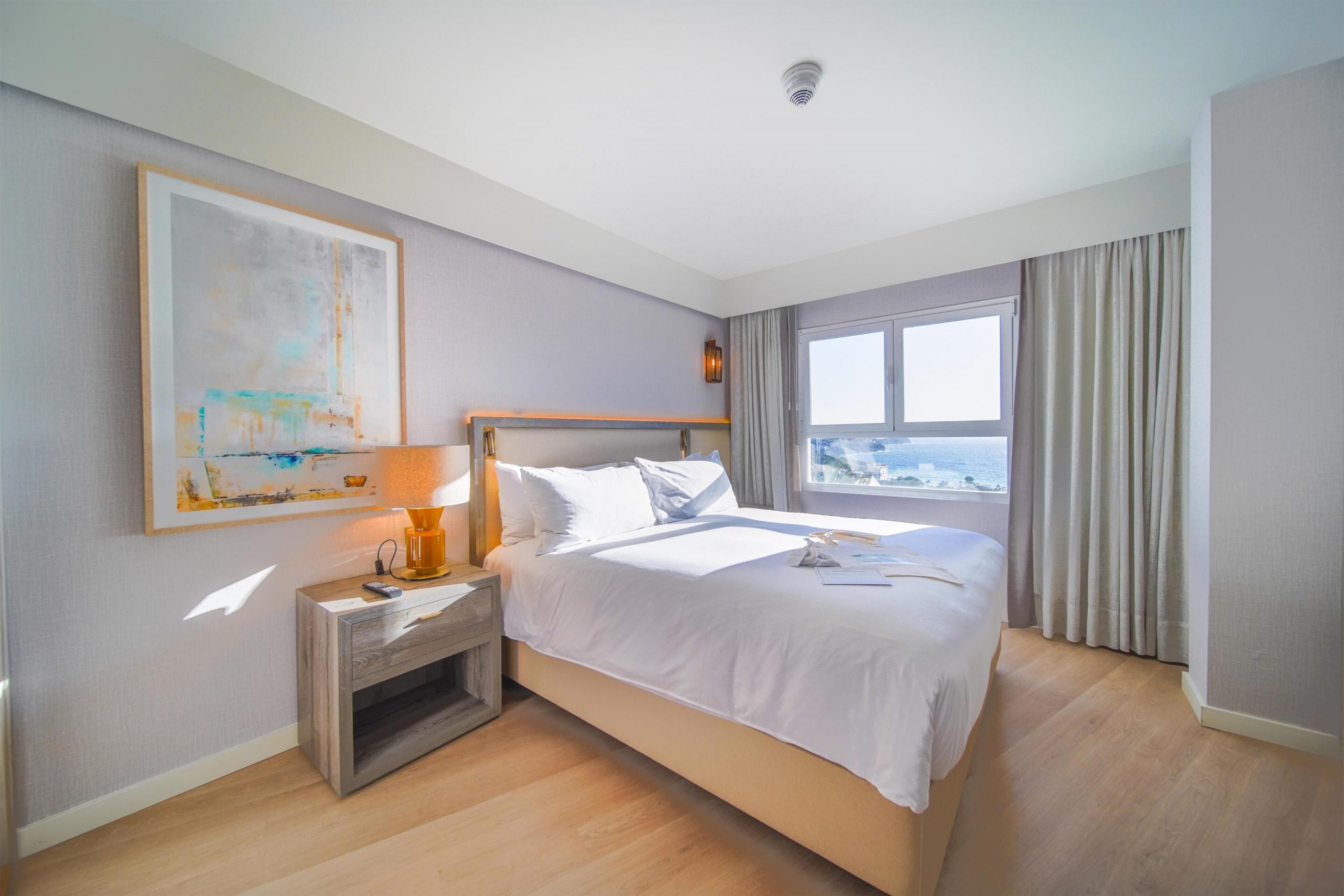
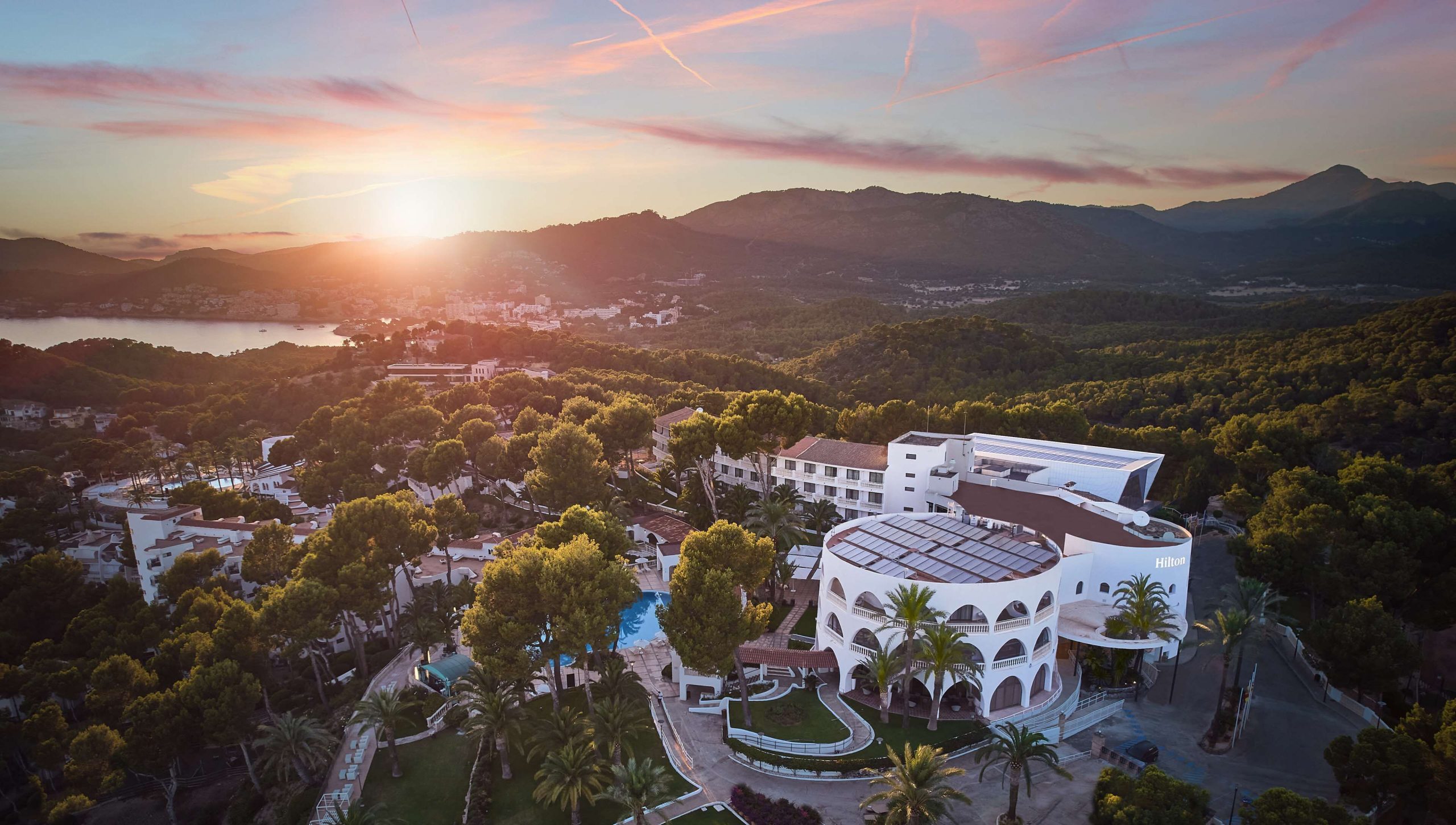
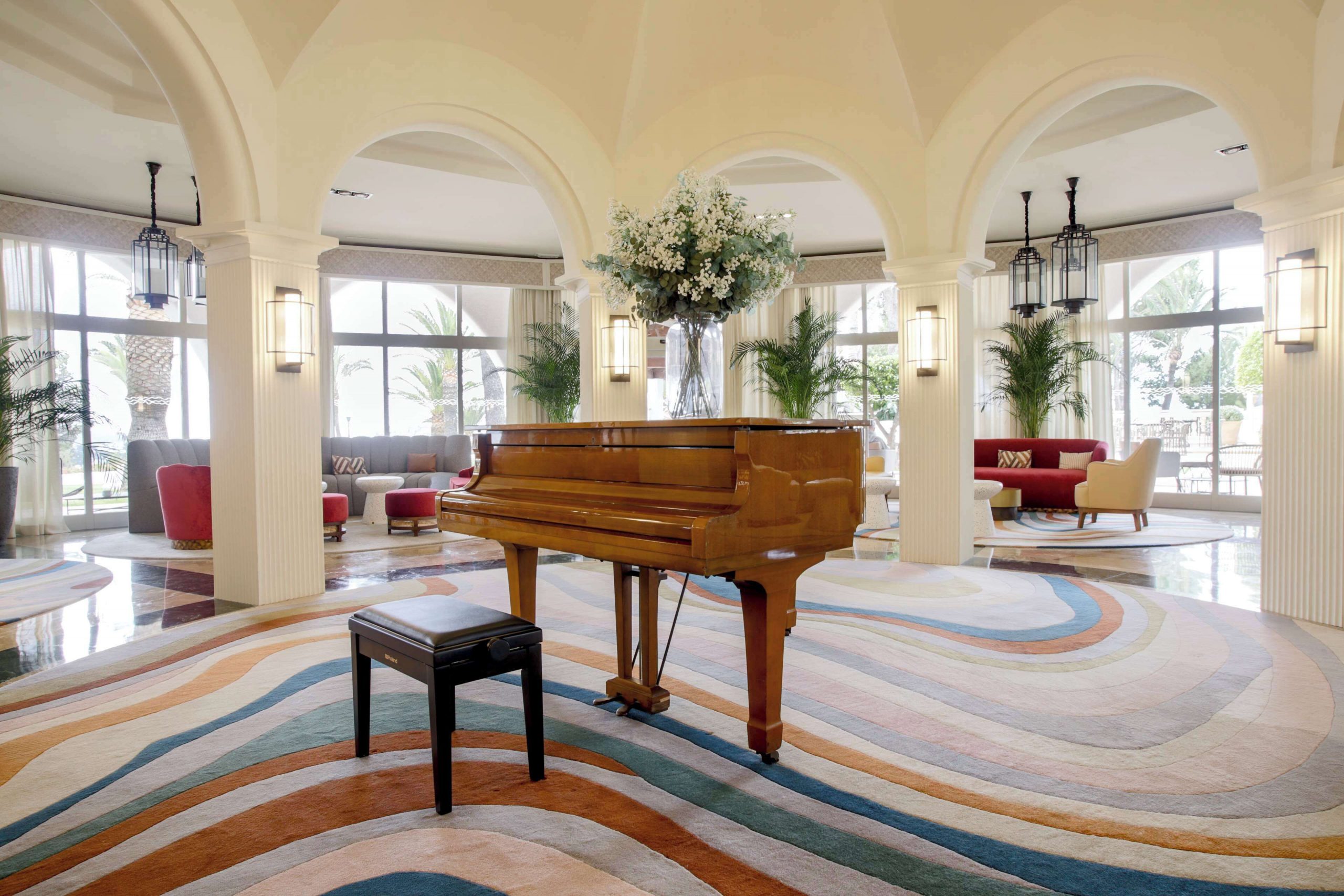
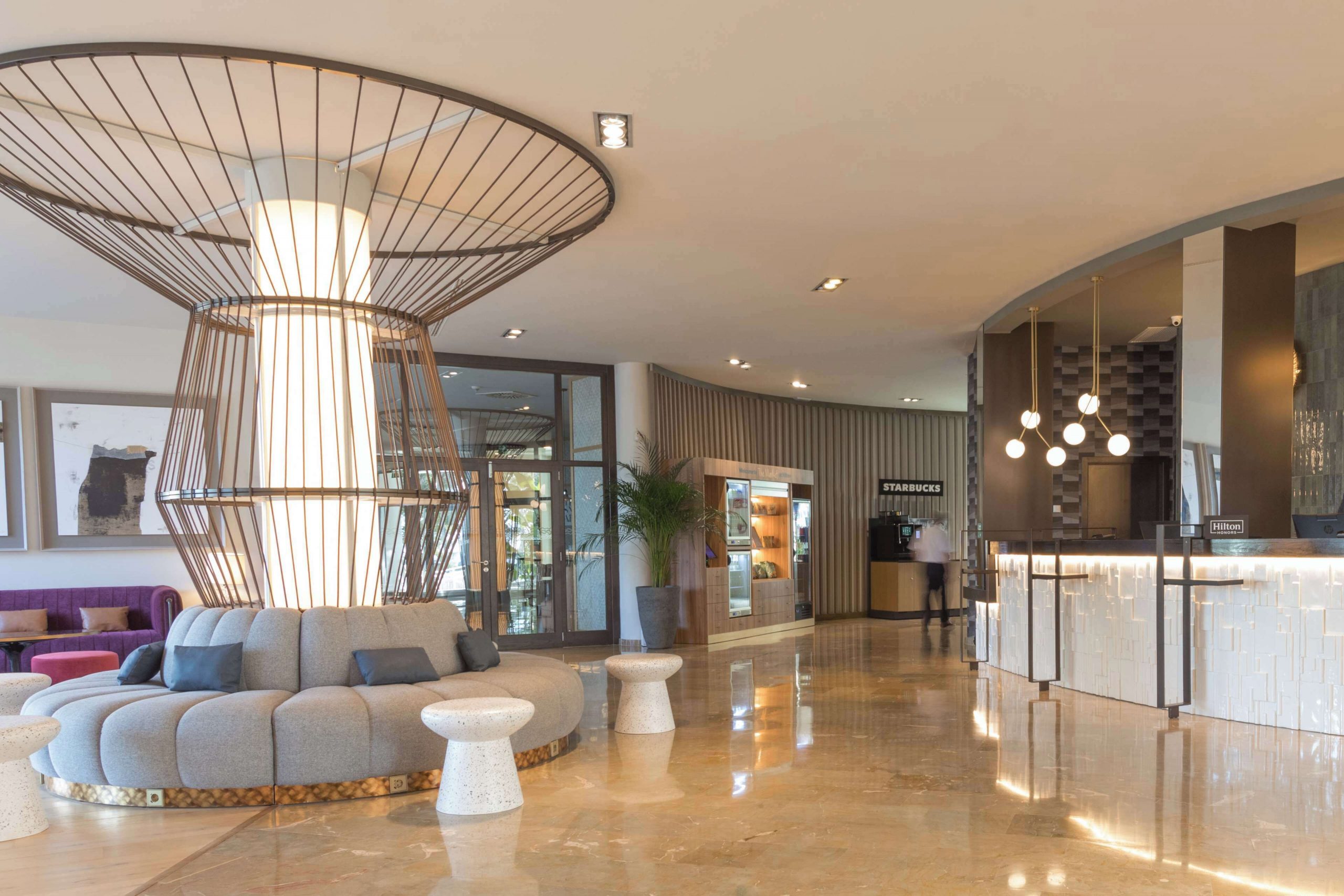
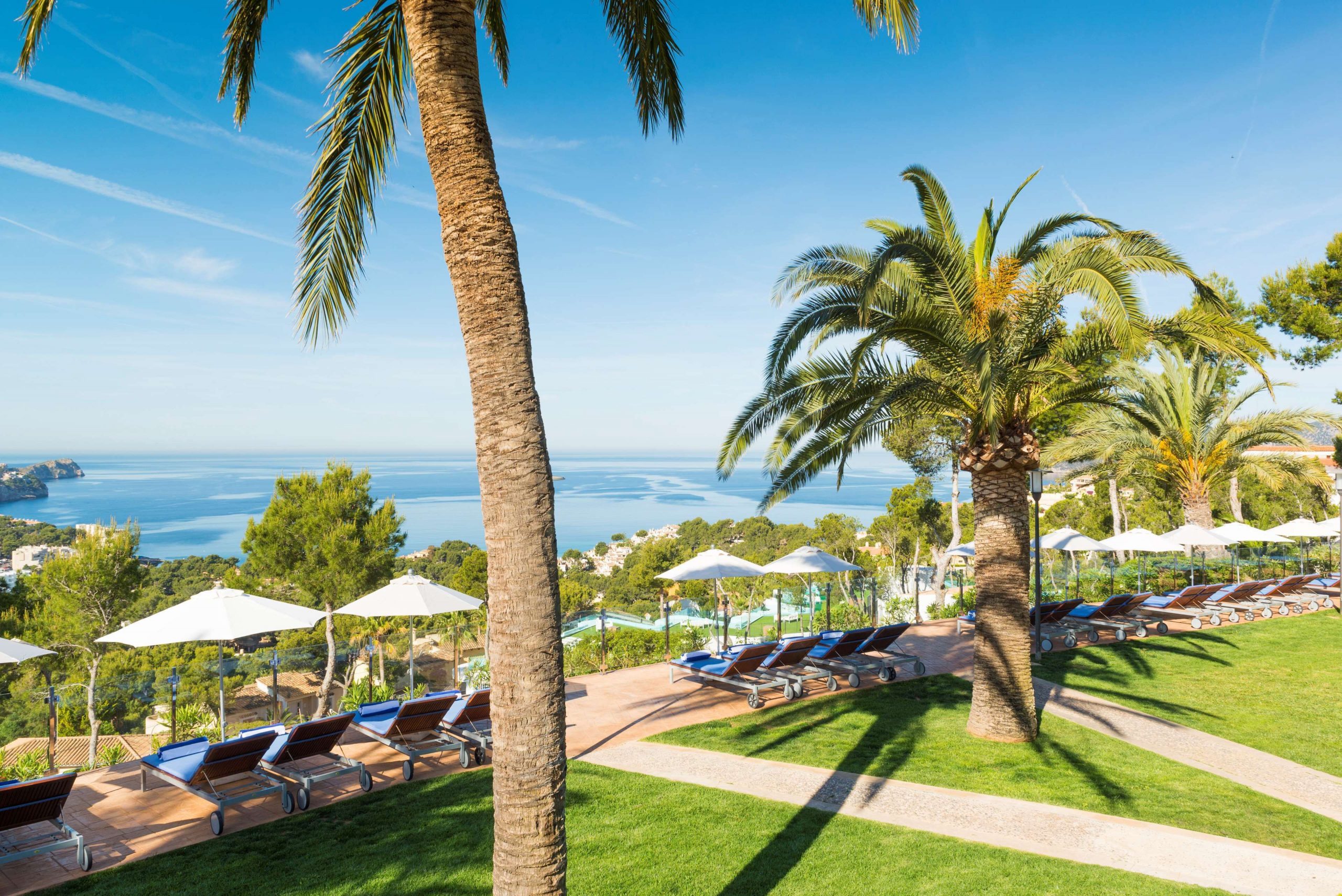
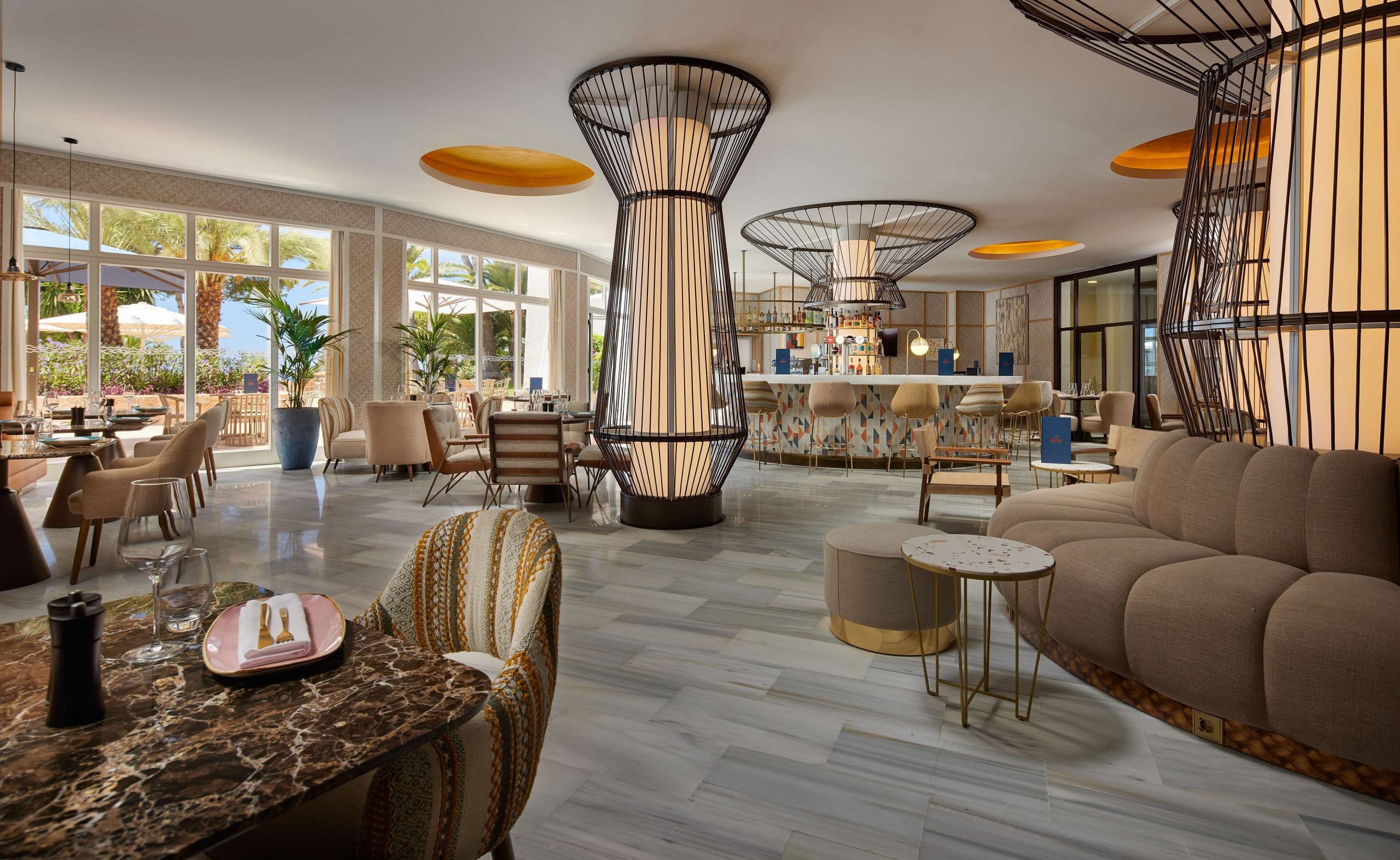
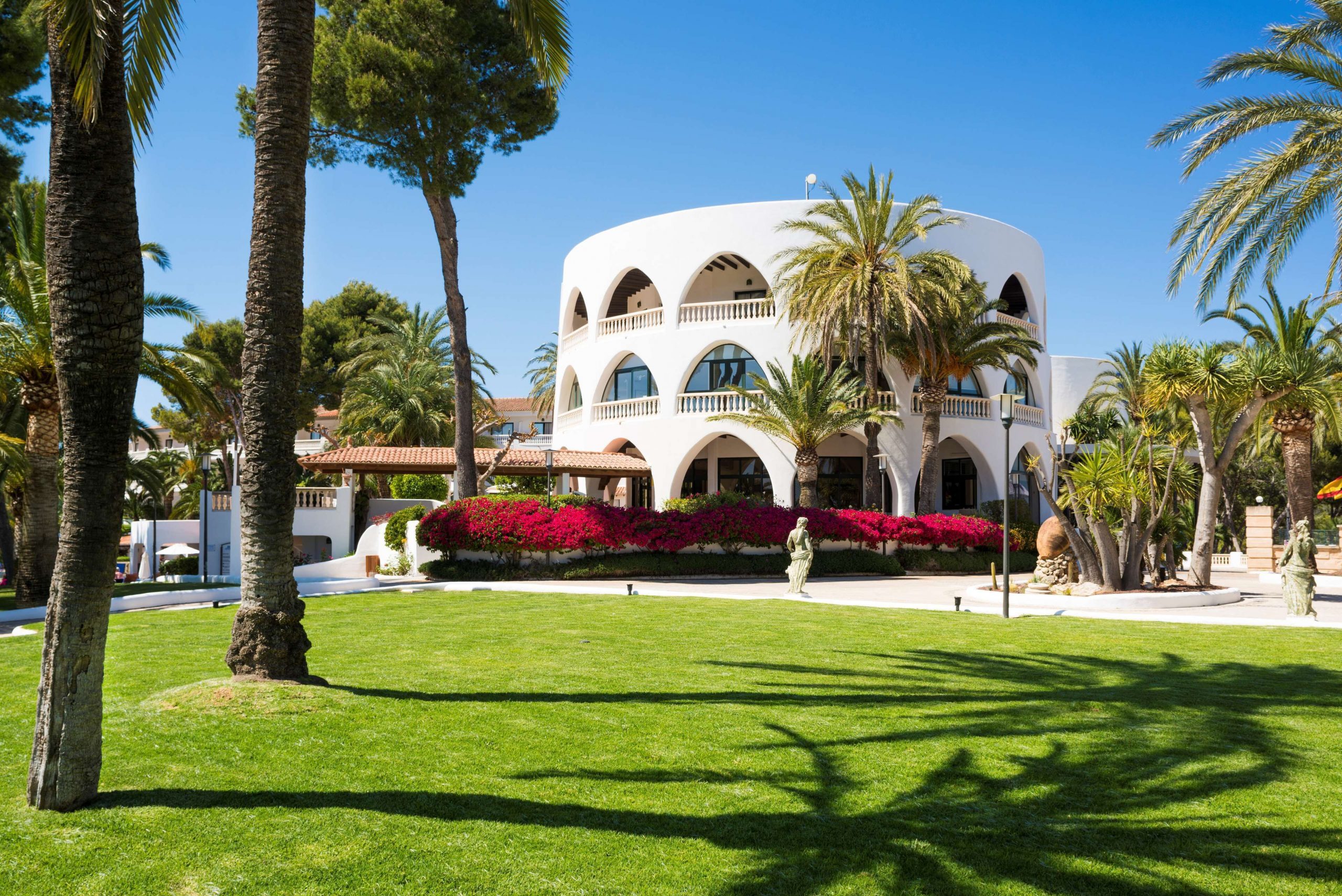
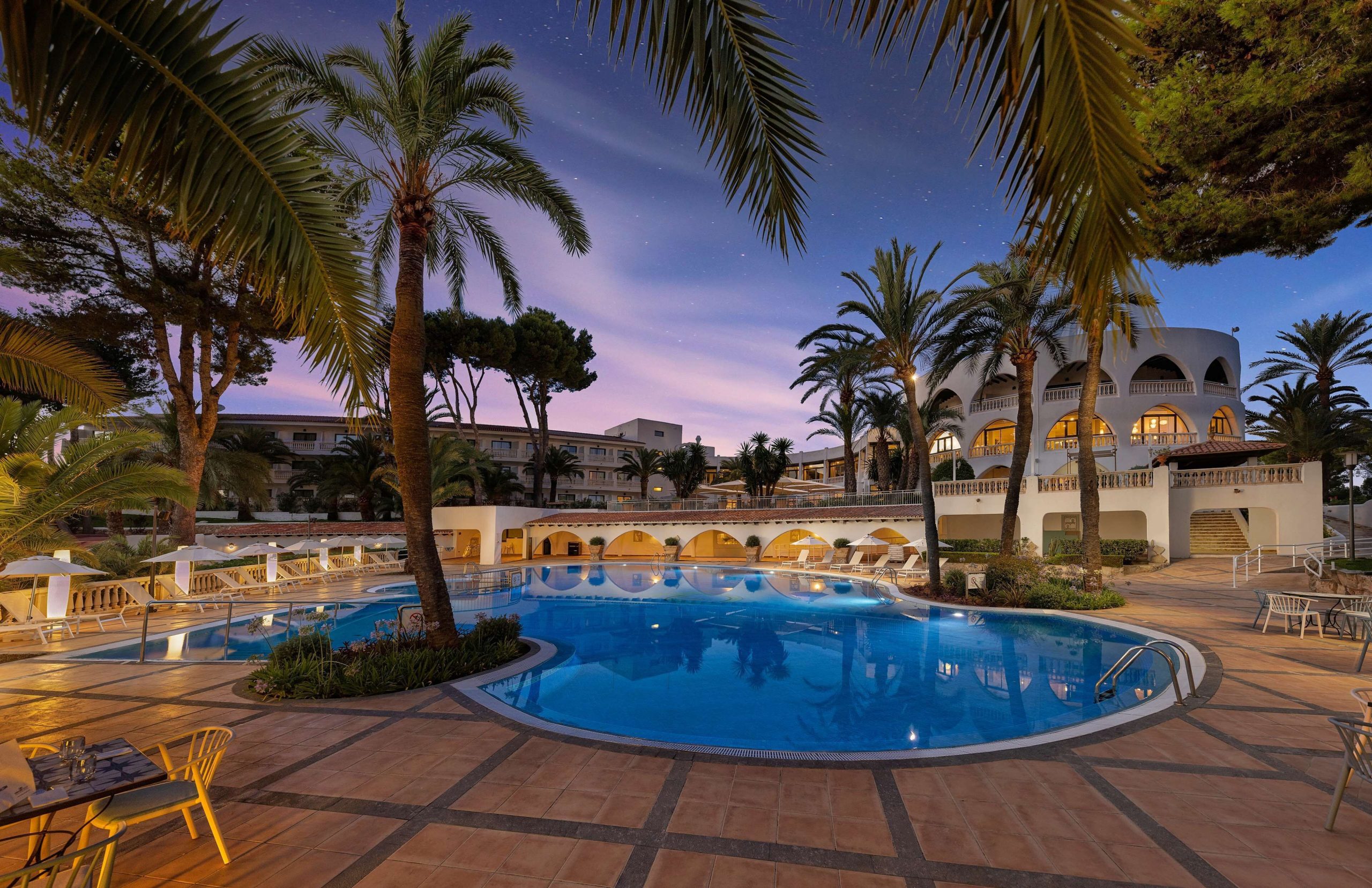
If you want the ease of this part of Calvià without being right in the thick of the resort strip, Hilton Mallorca Galatzo is a more elevated choice: set above the coast between Santa Ponsa and Peguera, with sea views, pools and a spa, it suits travellers who want practical south-west access but still prefer somewhere calmer to come back to at the end of the day.
Magaluf: best only if you genuinely want nightlife
Magaluf needs honesty.
It is famous, it is changing, and it is still not the right answer for most Riviera Ready readers. There are upgraded hotels, beach clubs and attempts to reposition the area, but the name remains tied to nightlife, groups and a louder holiday culture. That does not make it wrong. It makes it specific.
Stay in Magaluf if you are actively looking for late nights, bars, music and a youthful party base. Do not stay there because it was cheap and then complain that it does not feel like Deià.
For most couples, families and style-conscious travellers, Palmanova, Portals Nous, Illetes, Santa Ponsa or Palma will usually make more sense. Mallorca is generous enough that you do not need to force the wrong fit.
Magaluf is not “bad Mallorca”. It is simply not every Mallorca. Know what you are booking.
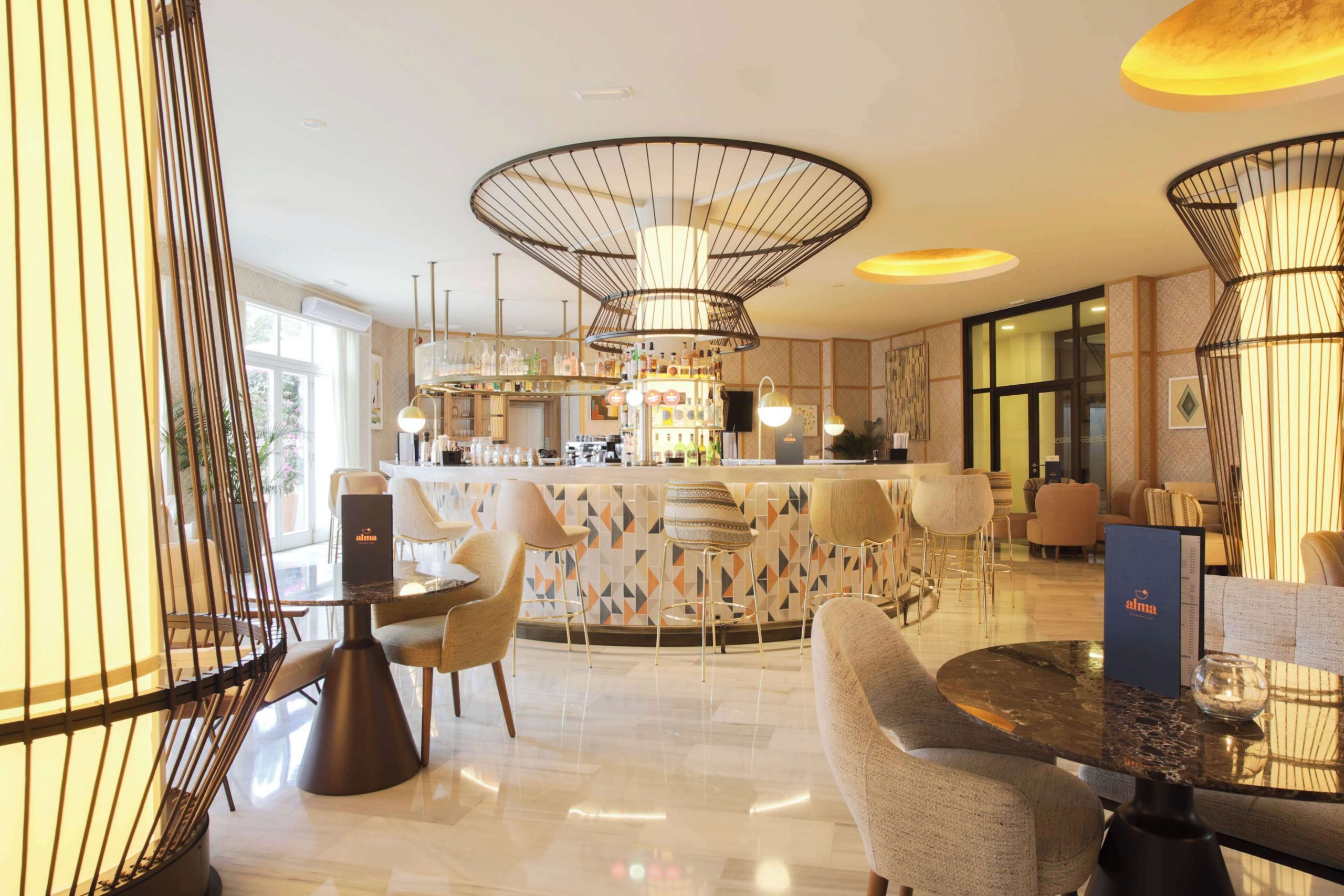
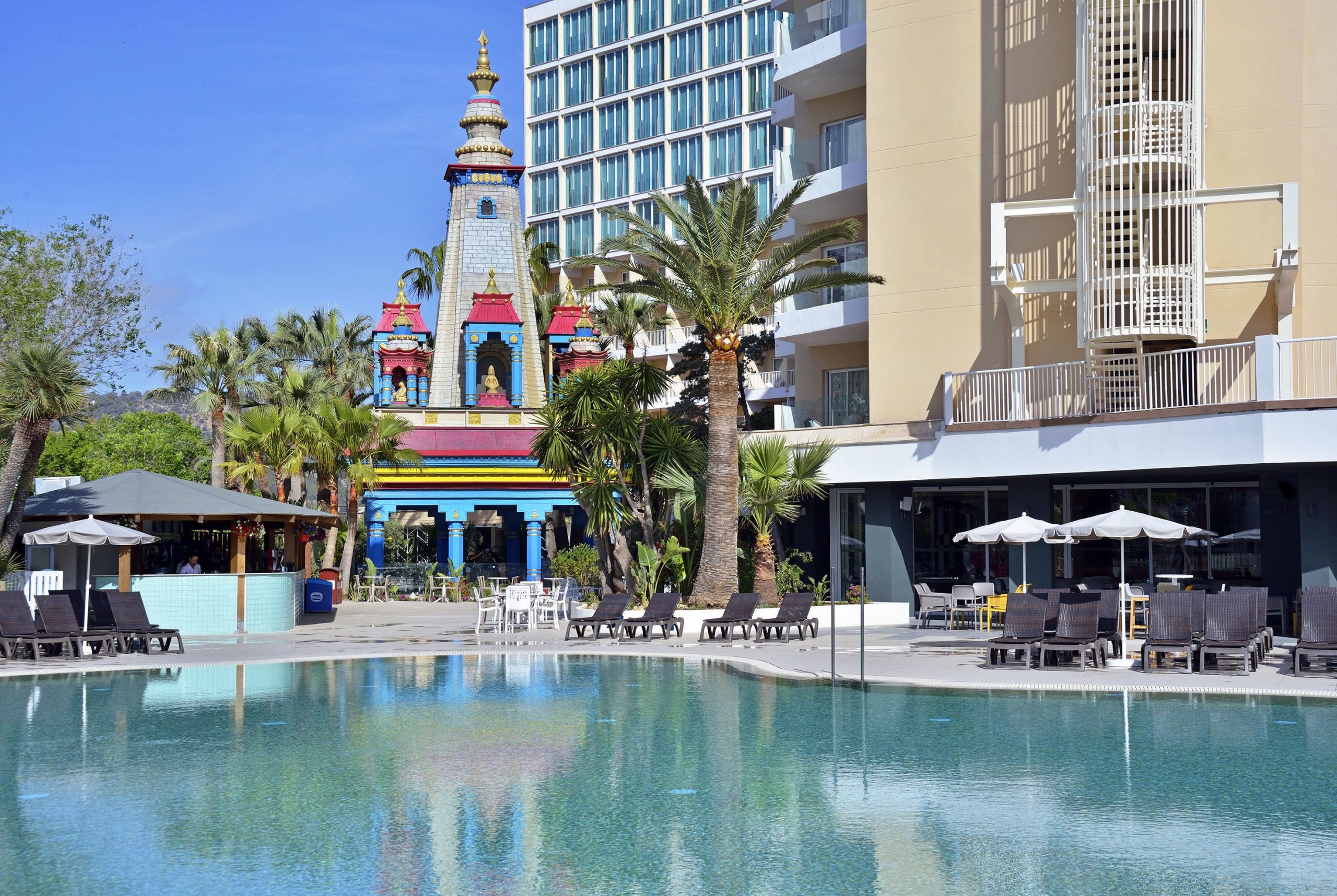
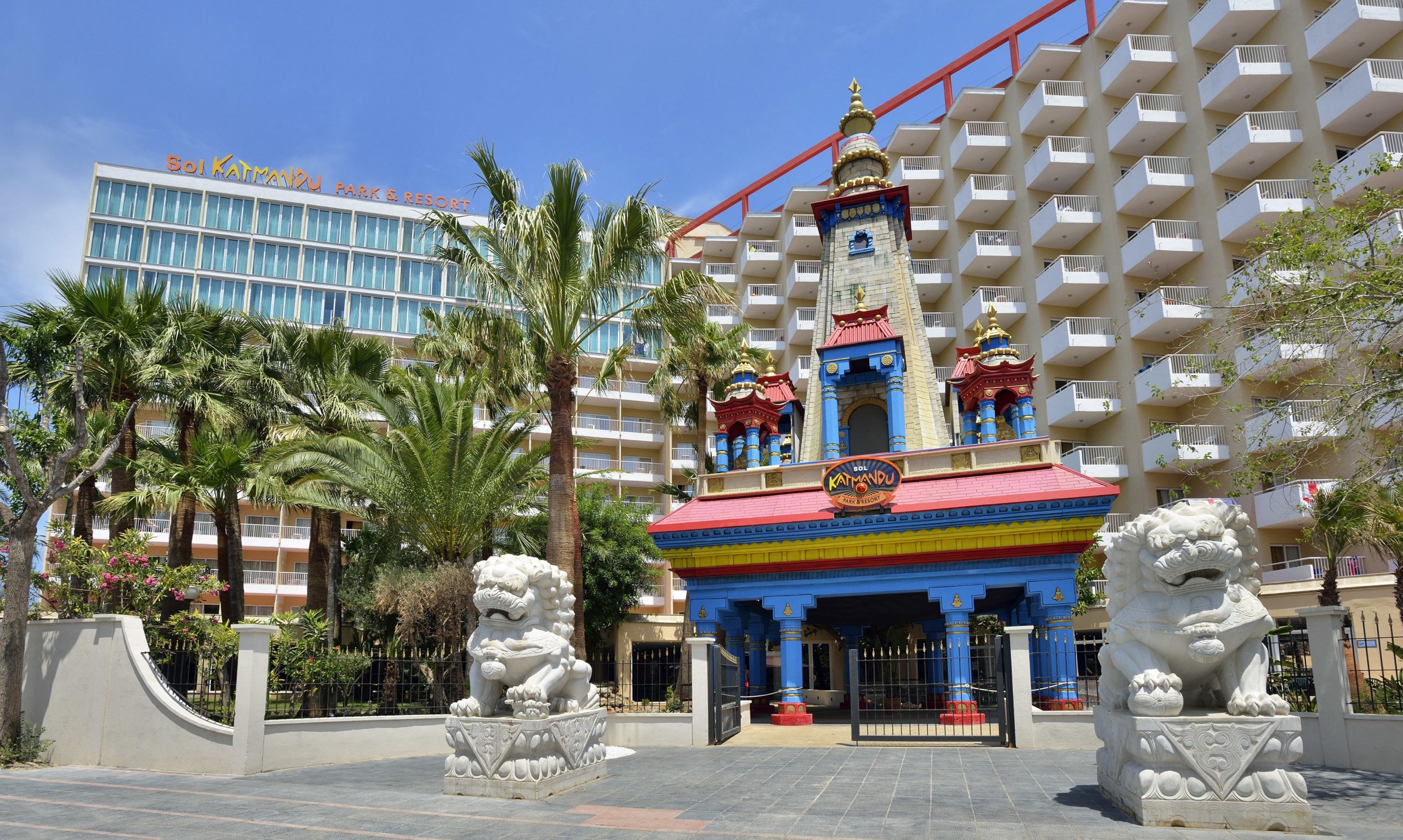
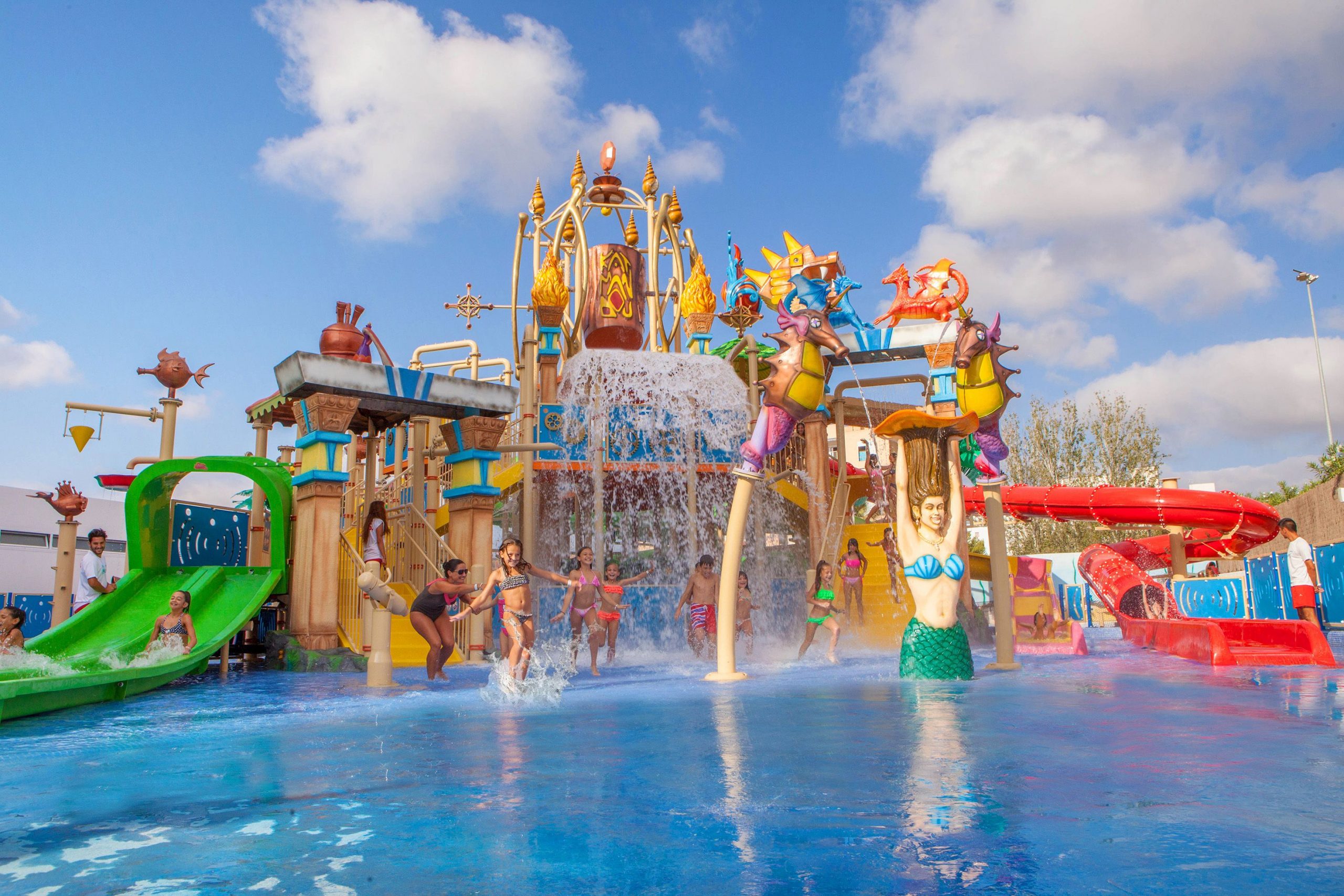
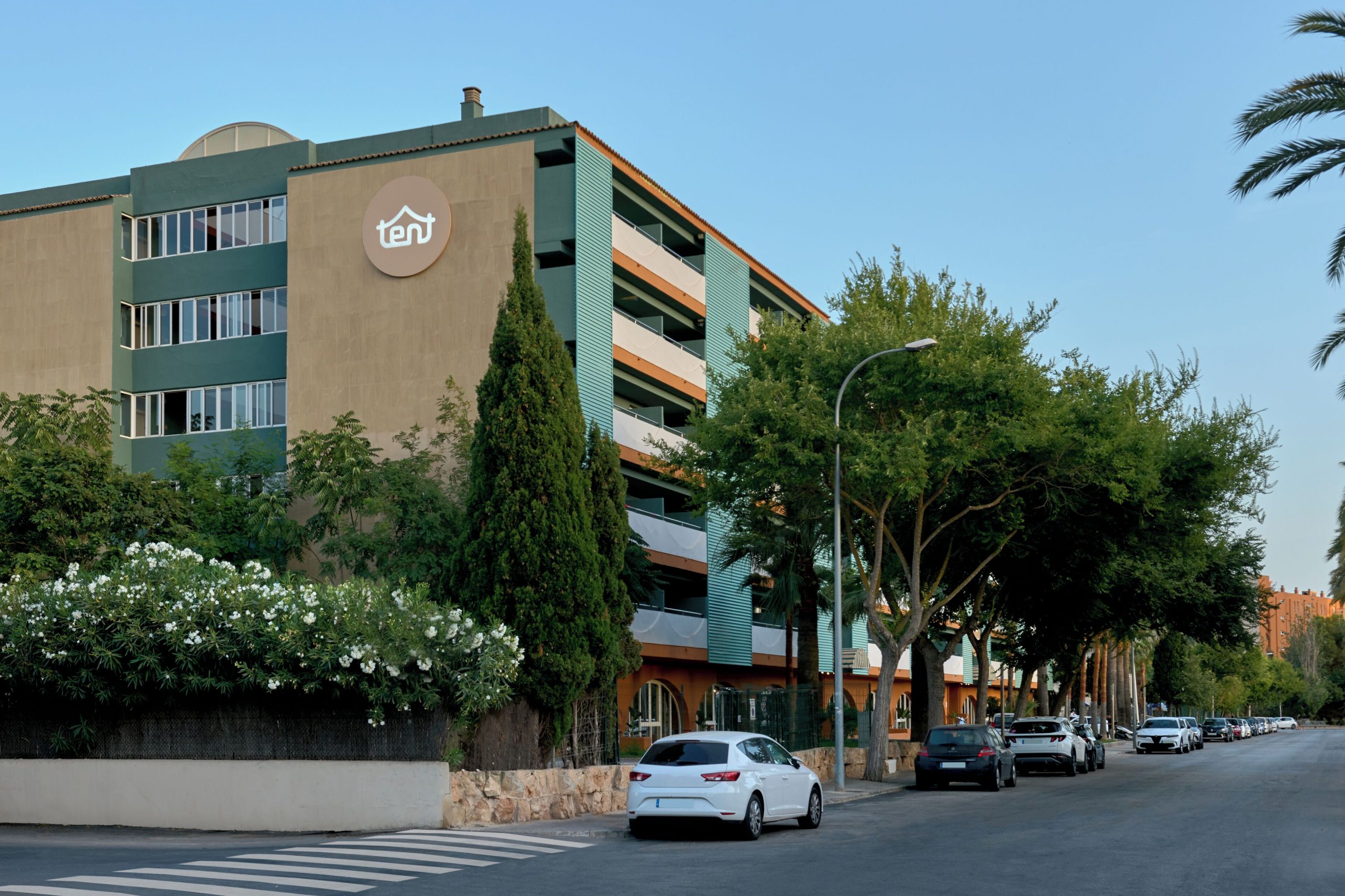
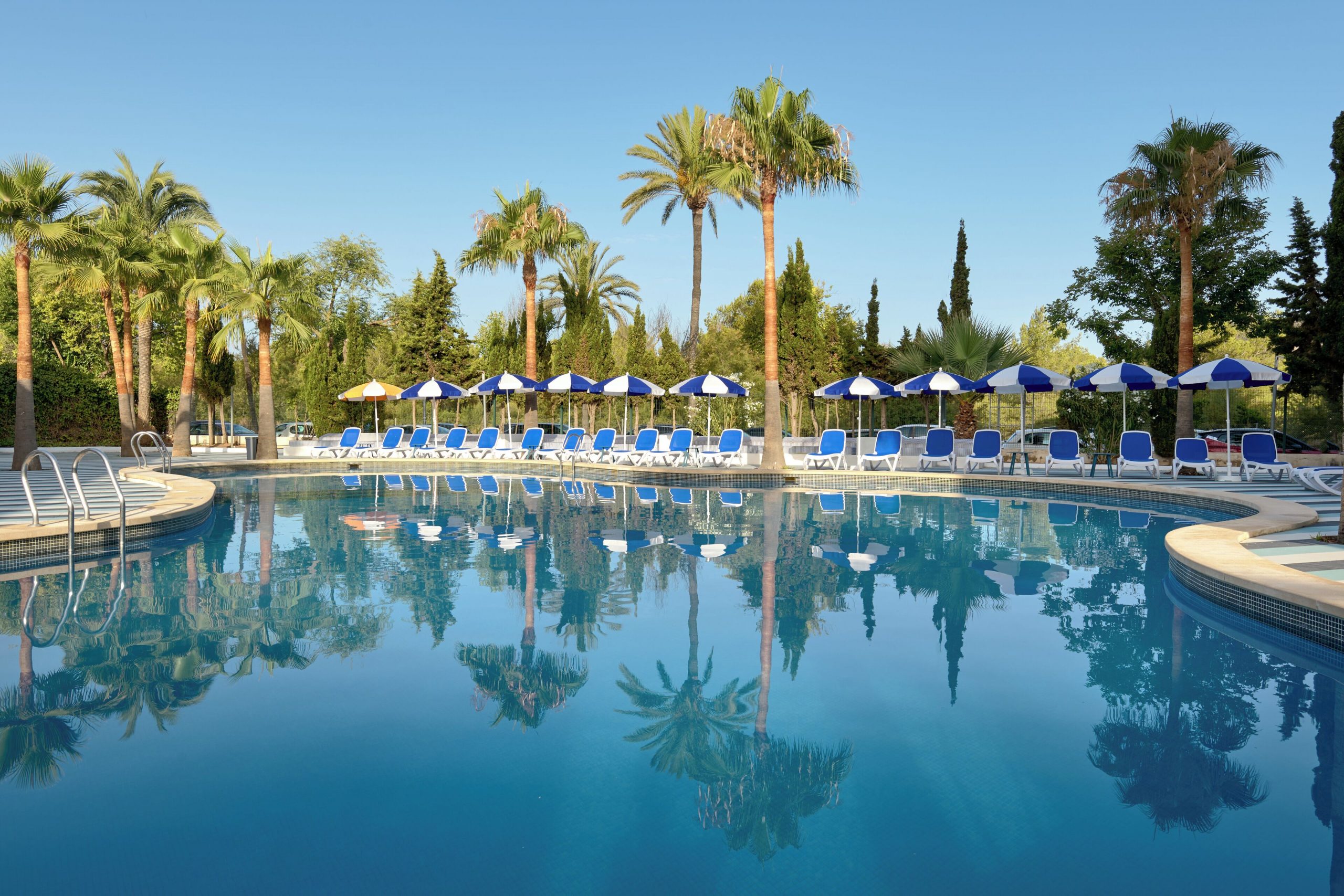
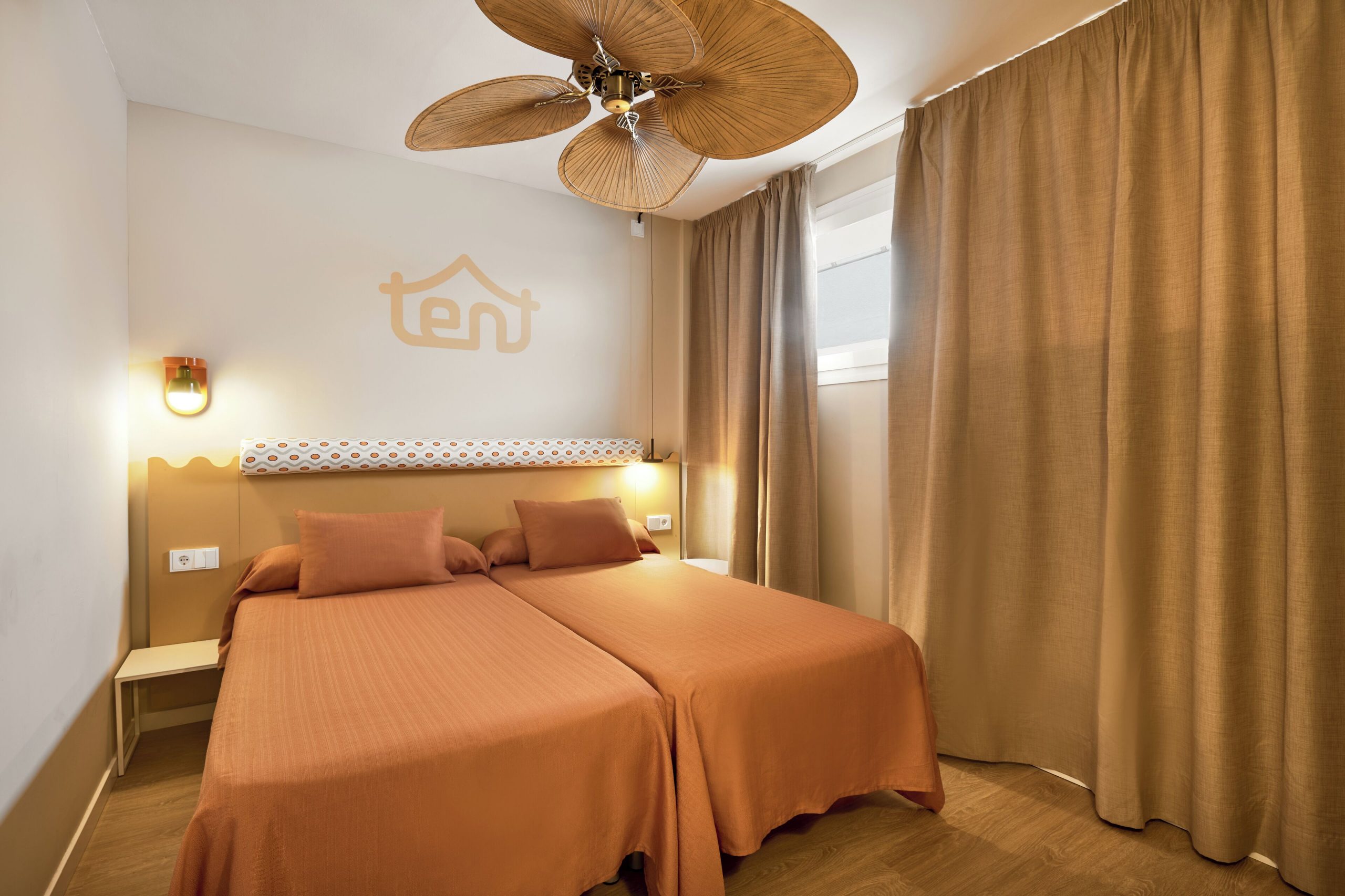
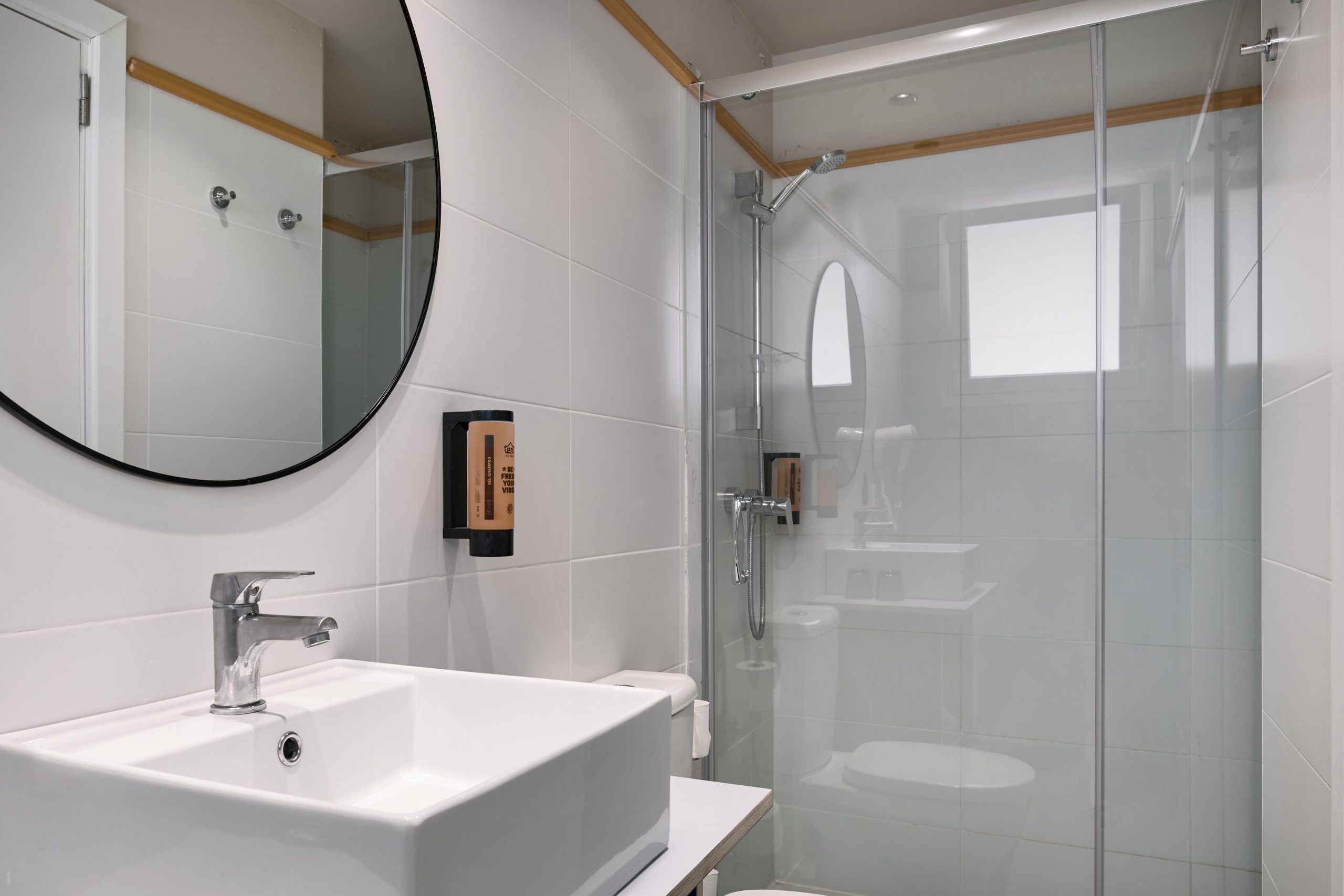
For Magaluf, book knowingly rather than accidentally. If nightlife or a family theme-park base is the point, Sol Katmandu Park & Resort is a more obvious fit than trying to force the area into a romantic Mallorca itinerary and tent Mojito Suites is a cleaner, more grown-up way to do it: close to the beach, bars and restaurants, but with a fresher suite-style feel that makes more sense for travellers who want the nightlife nearby without choosing somewhere that feels like a children’s theme park.
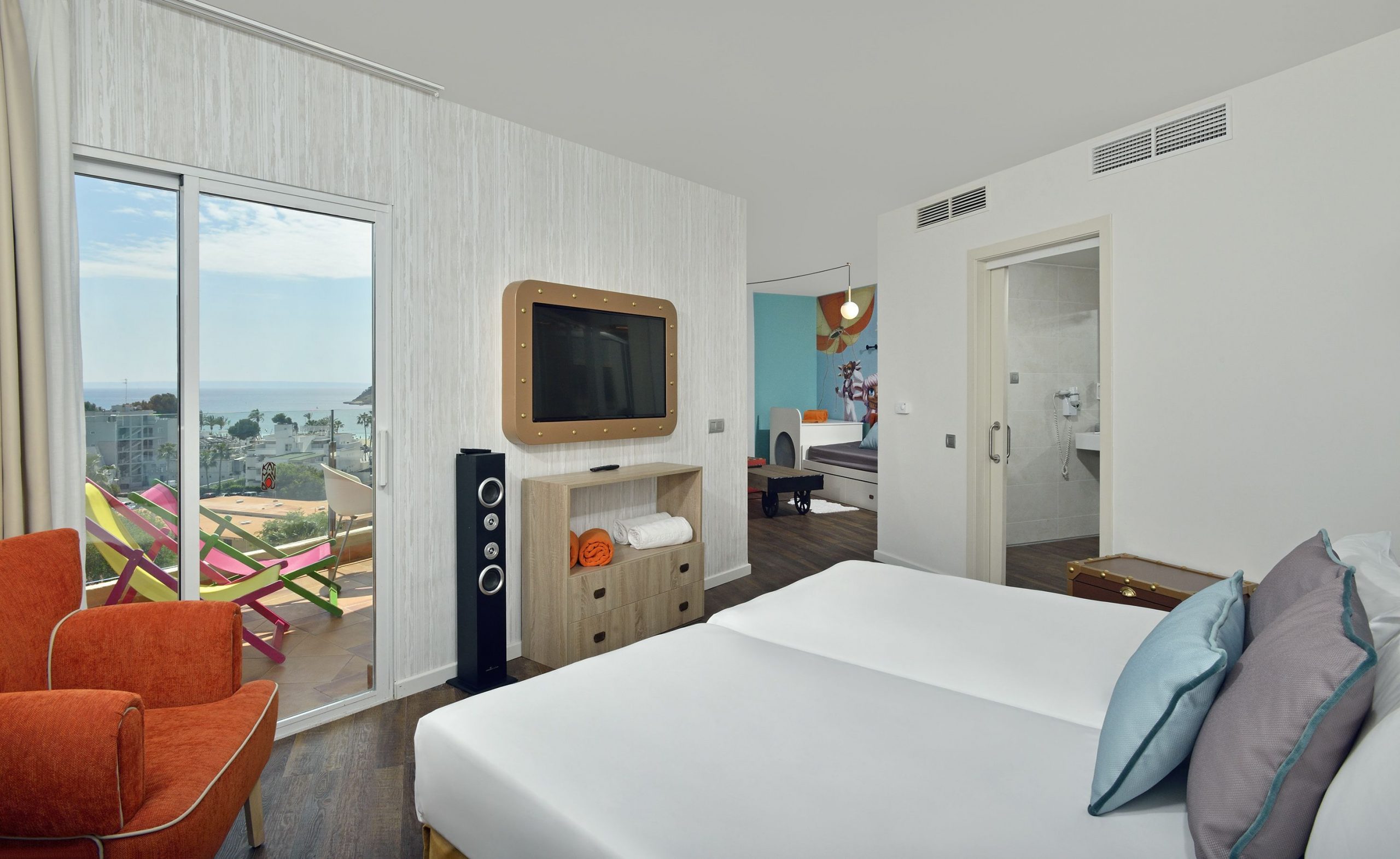
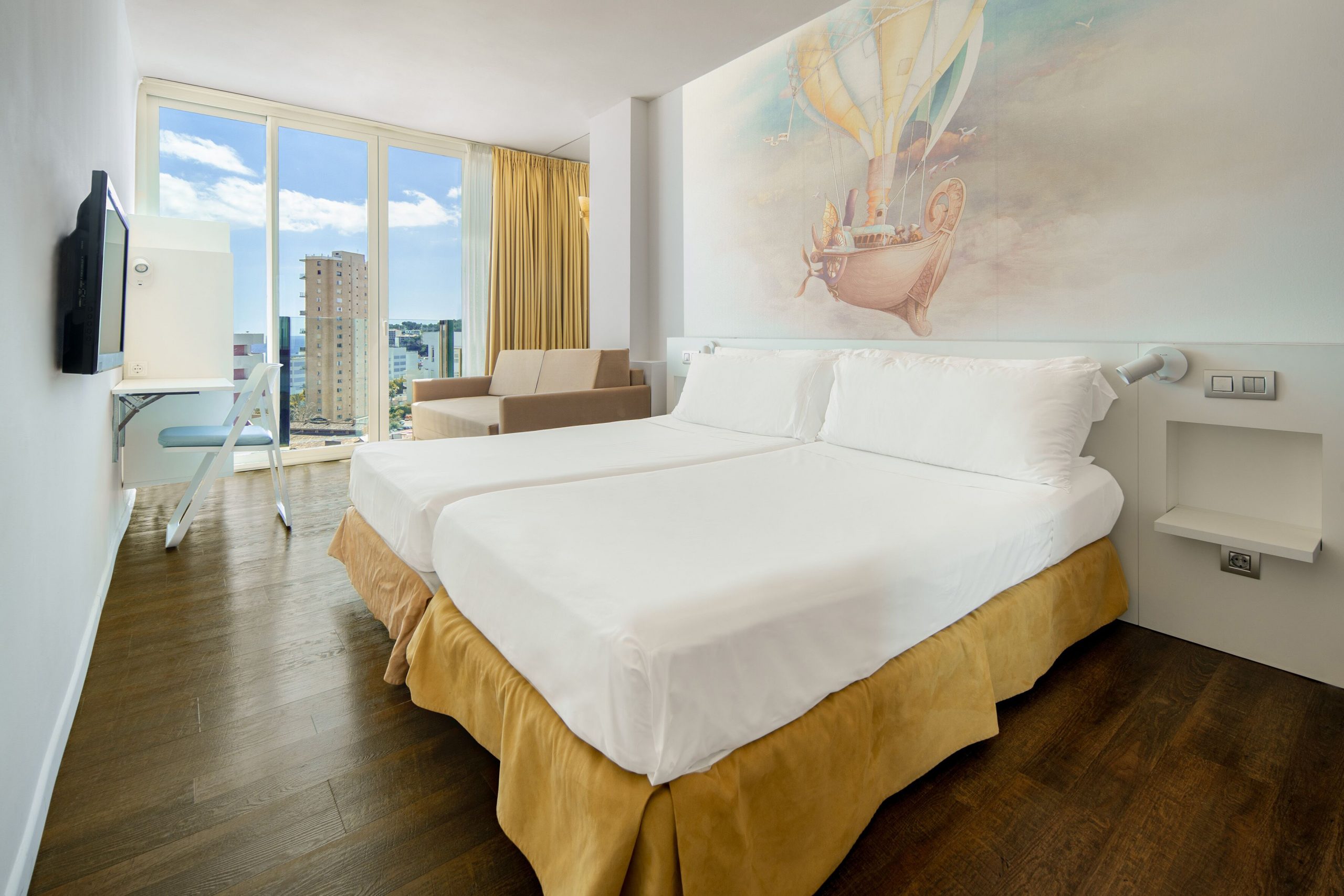
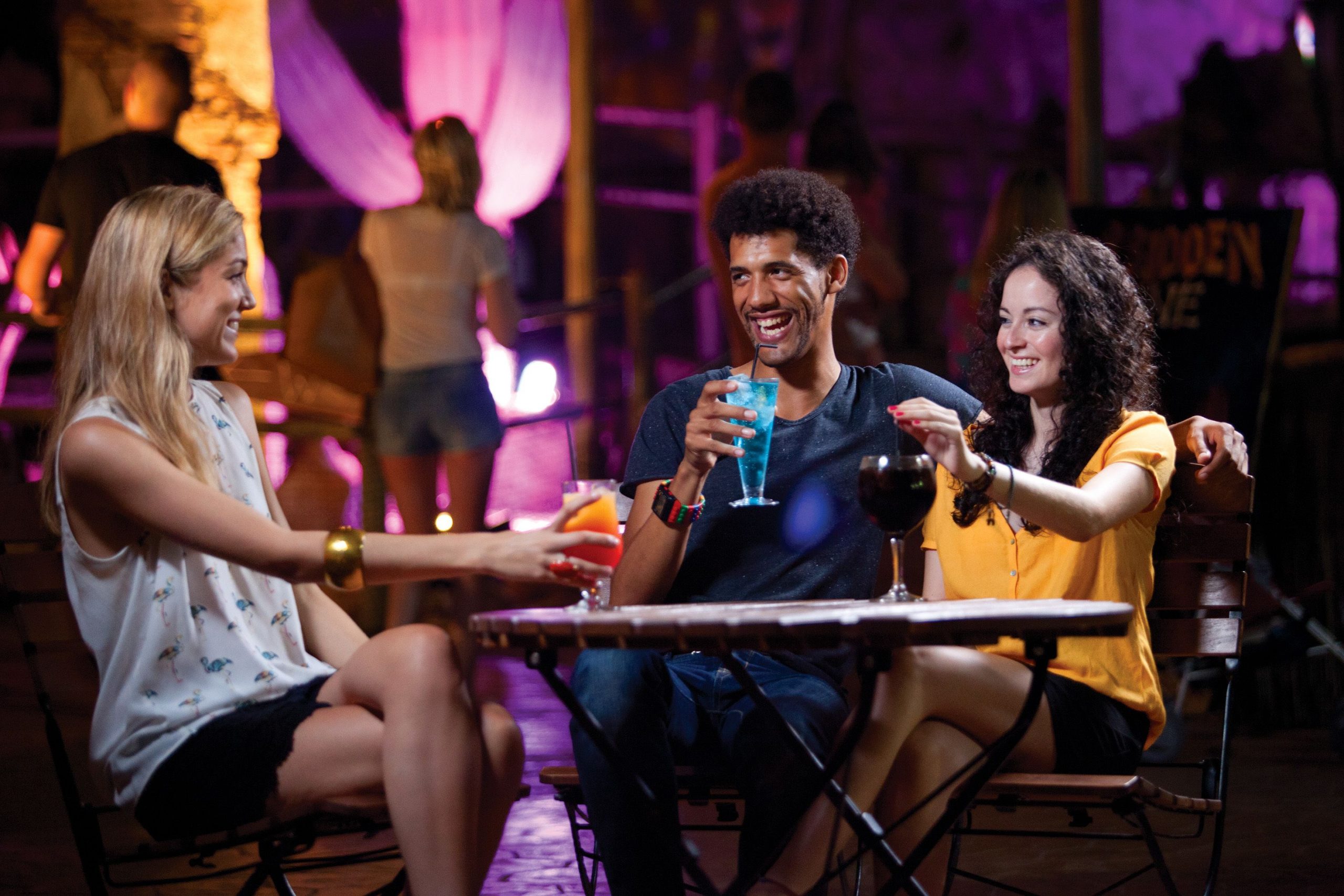
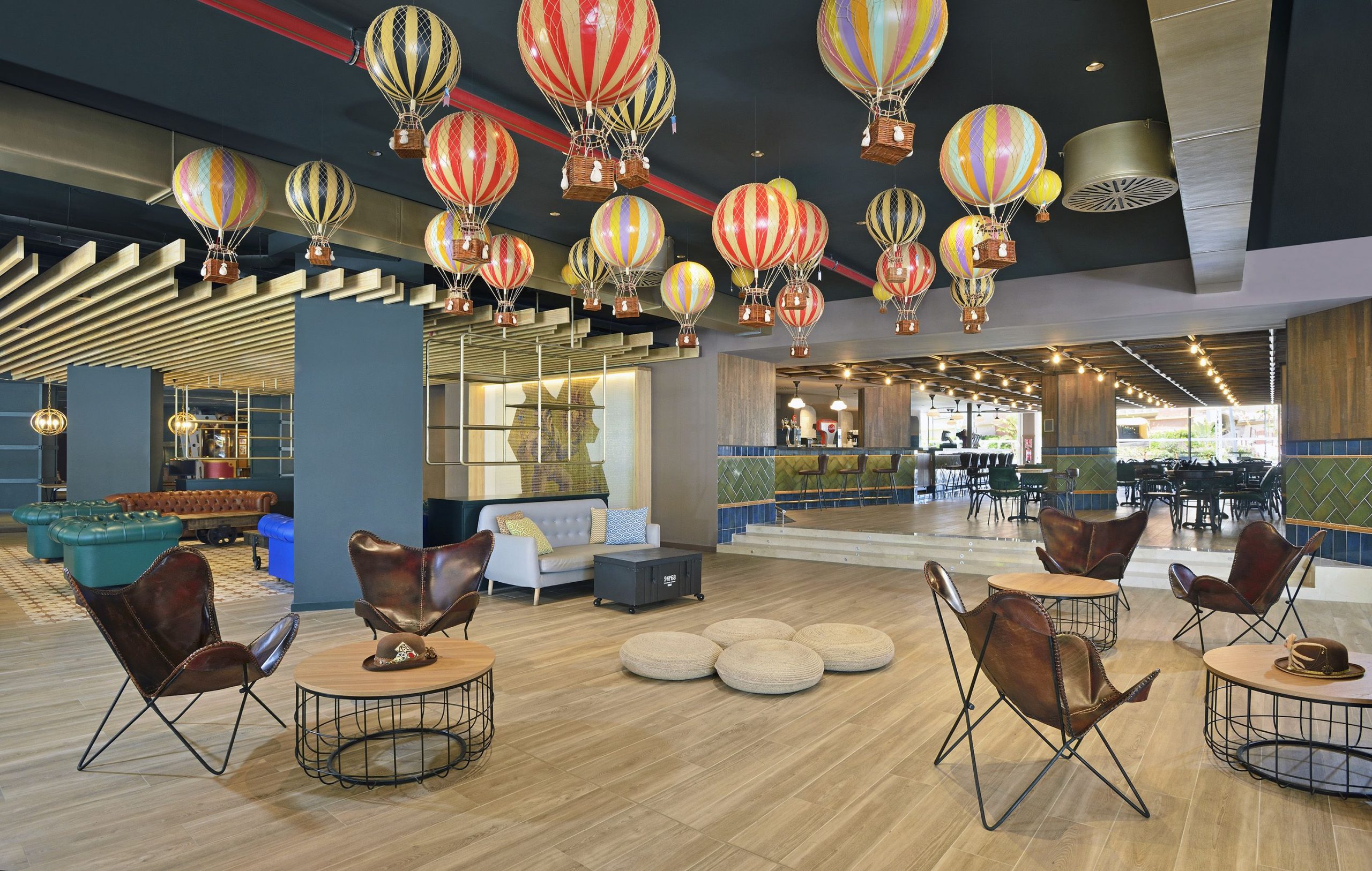
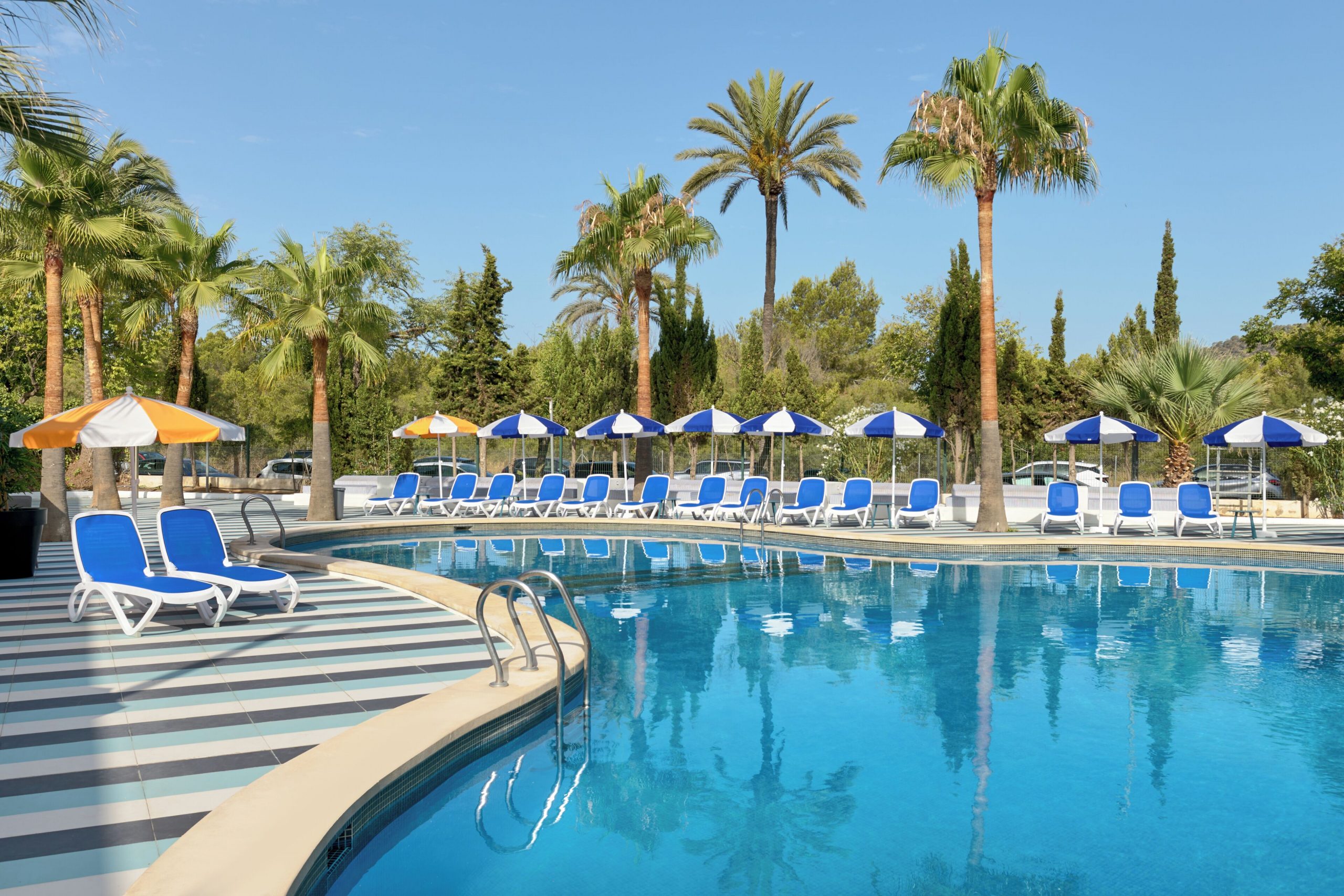
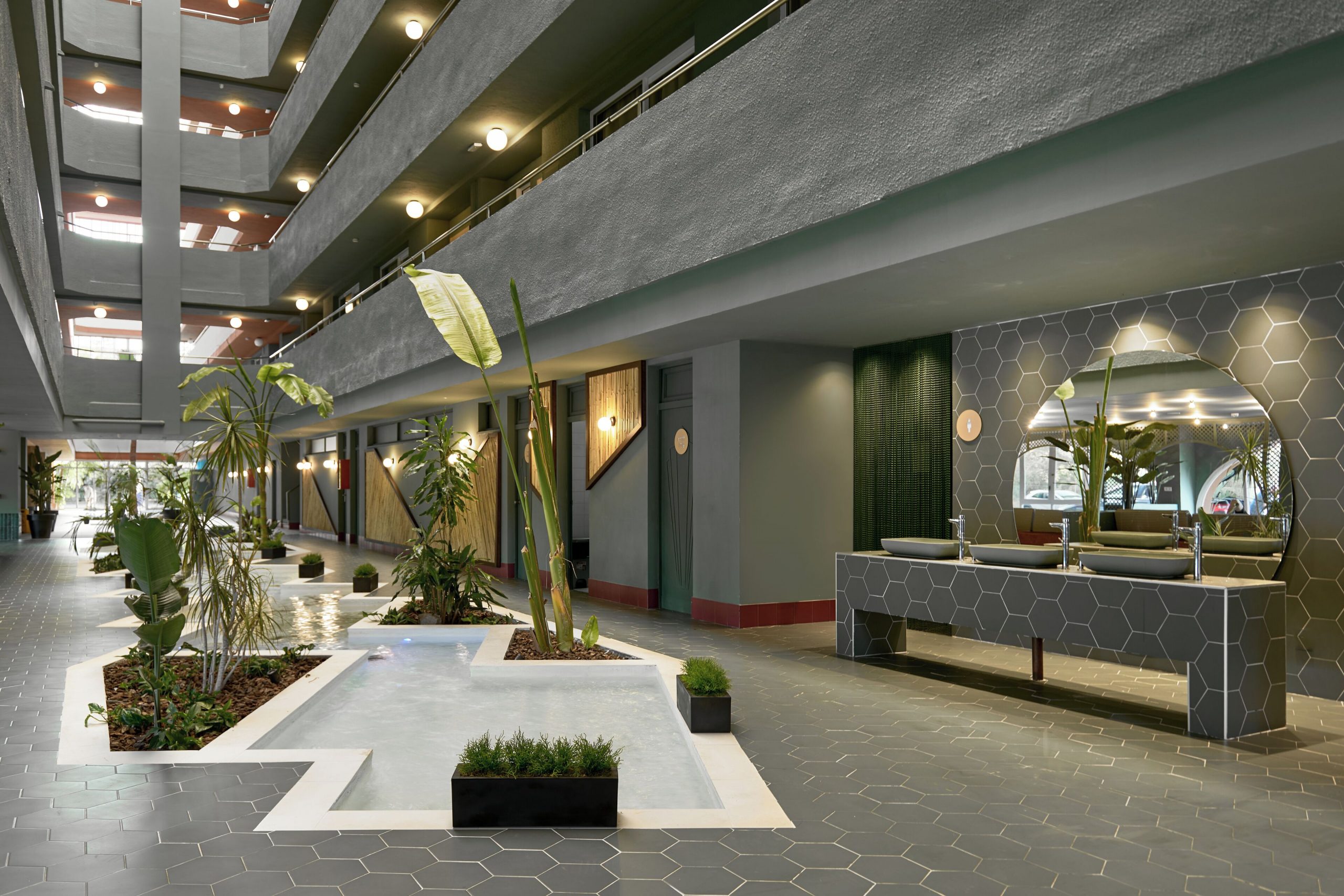
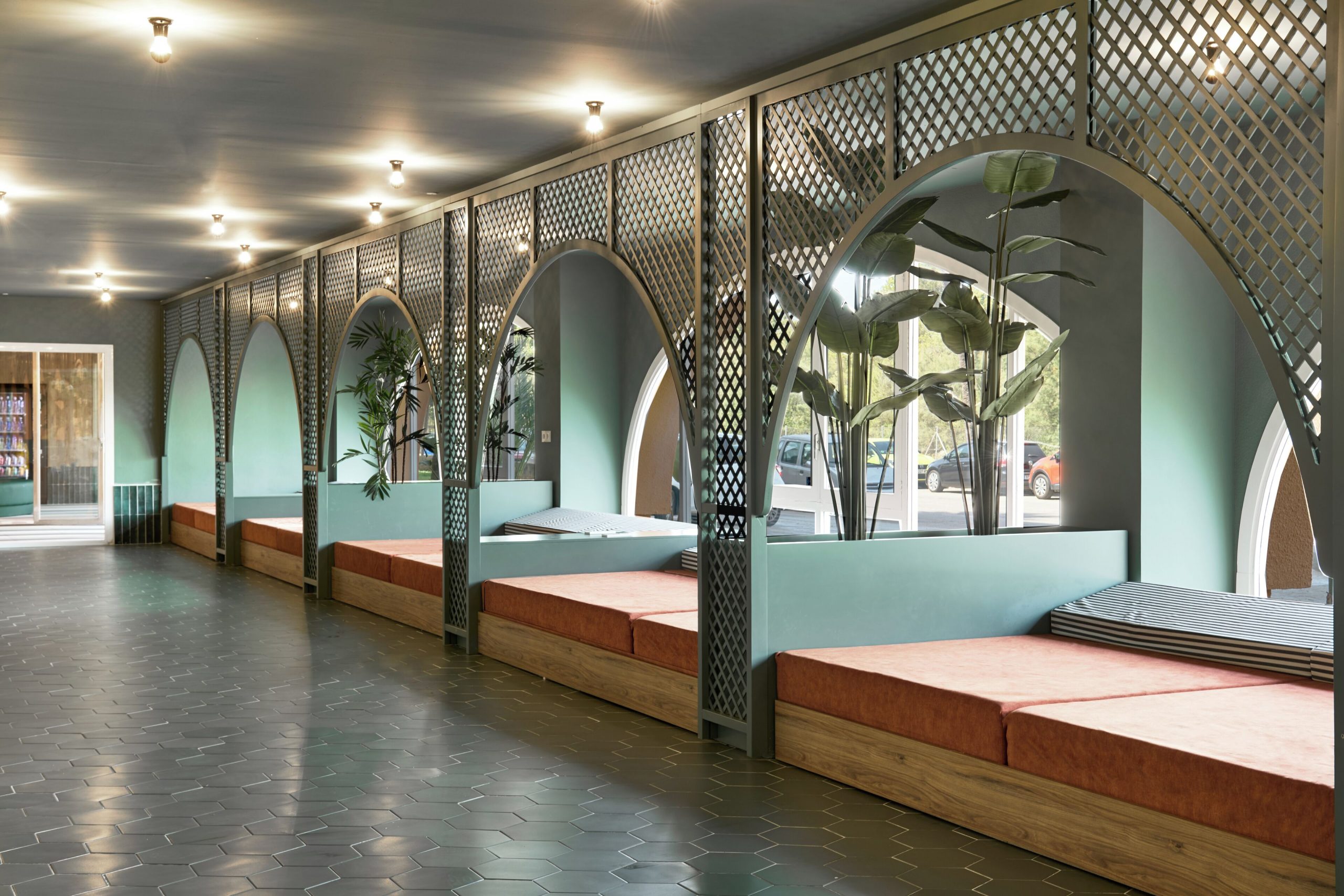
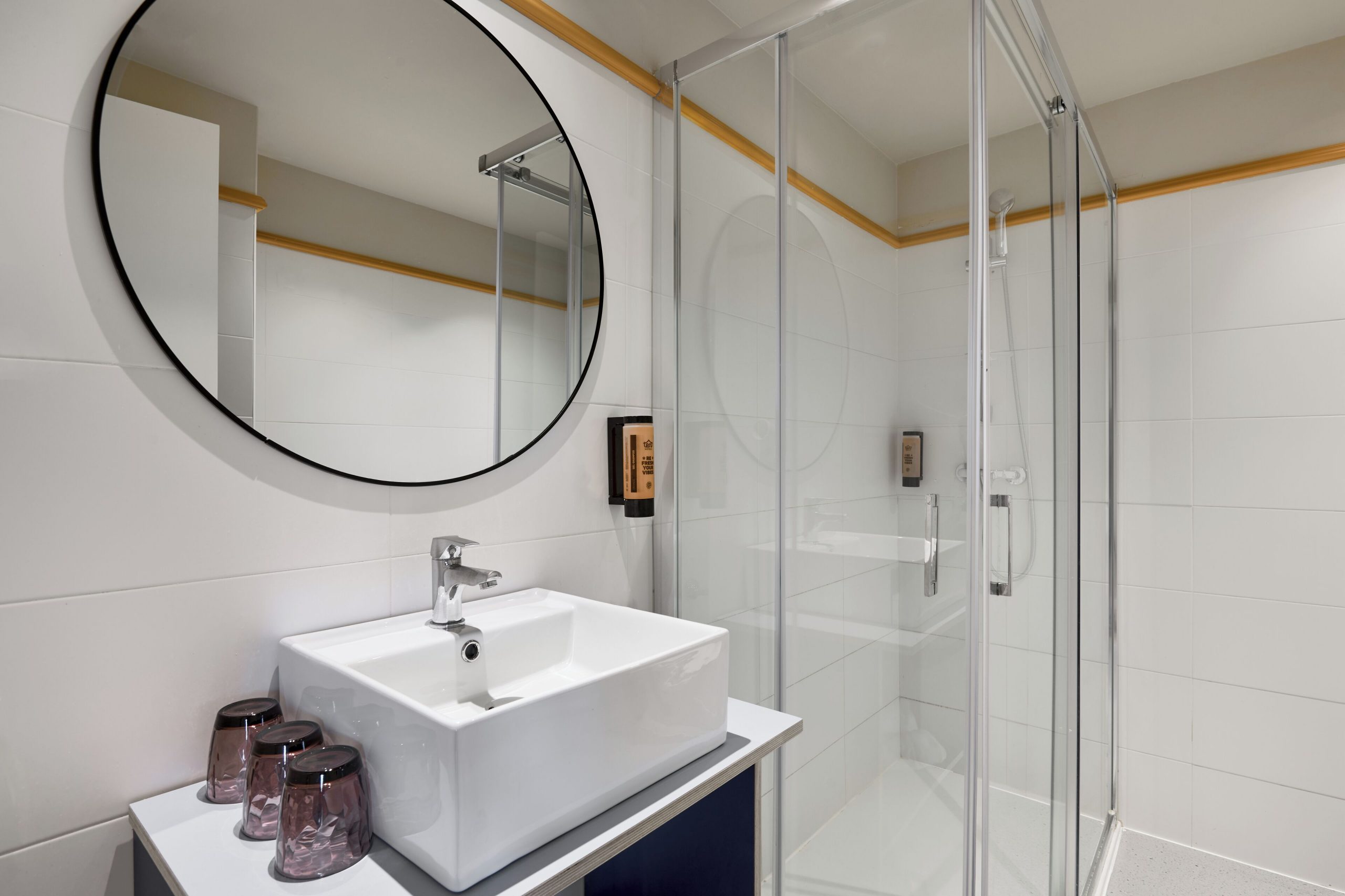
For a more grown-up Magaluf base, tent Mojito Suites is the cleaner alternative: remodelled in 2024, close to the beach, shops, restaurants and nightlife, with a fresher suite-style feel that suits travellers who want the area’s energy without the children’s theme-park atmosphere.


Valldemossa and Deià: best for romance, mountains and old Mediterranean atmosphere
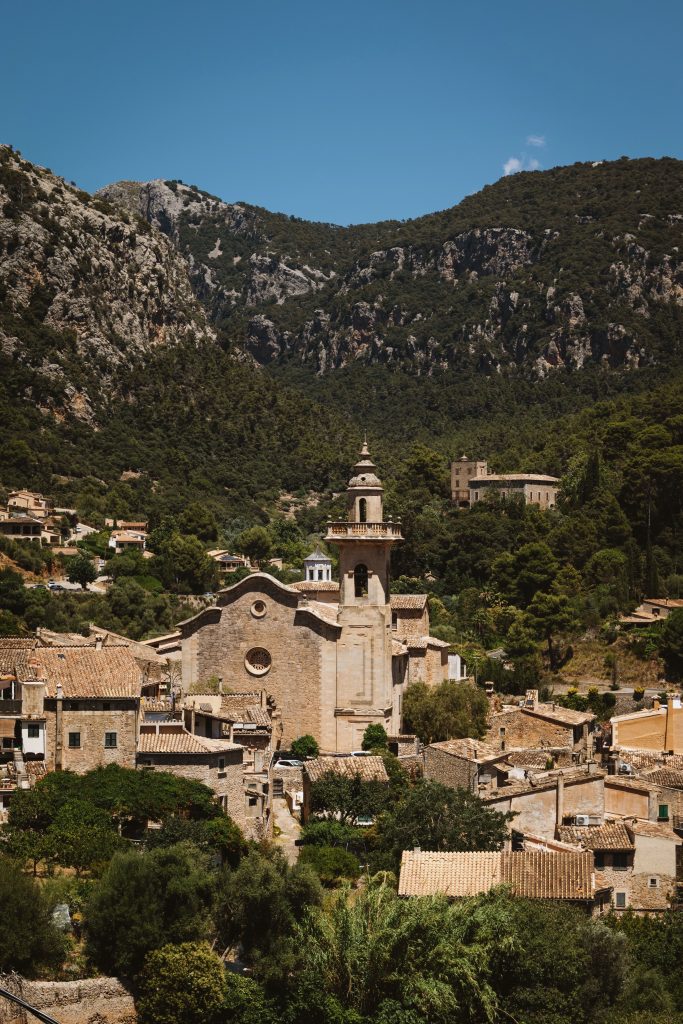
Valldemossa and Deià are where Mallorca becomes mythic.
Valldemossa is the more monastic of the two: stone houses, green shutters, quiet lanes, the Charterhouse, Chopin and George Sand, and a sense of elevated stillness that feels worlds away from Palma even though it is not far by road. It is beautiful in the way old villages are beautiful when they have been admired for centuries and somehow survived the attention.
Deià is more glamorous, more expensive and more loaded with stories. It sits between the Serra de Tramuntana and the sea, with artists, writers, Robert Graves associations, steep lanes, cypress trees, cemetery views, hidden terraces and that peculiar feeling of being somewhere both tiny and world-famous.
These are not the easiest places in Mallorca. That is partly why they are special. Parking can be awkward, prices can be high, streets are steep, and peak-season day-trippers can thin the romance if you arrive at the wrong hour. But stay overnight, and the mood changes. Morning and evening belong to the people who gave the village time.
Choose Valldemossa or Deià for romance, walking, views, boutique hotels, slow dinners and a mountain-village version of luxury. Do not choose them if you want easy beach access, pushchair-friendly pavements, cheap accommodation or a resort where everything is on your doorstep.
For a honeymoonish stay, Deià has the drama. For a shorter, softer mountain escape, Valldemossa may be the easier choice.
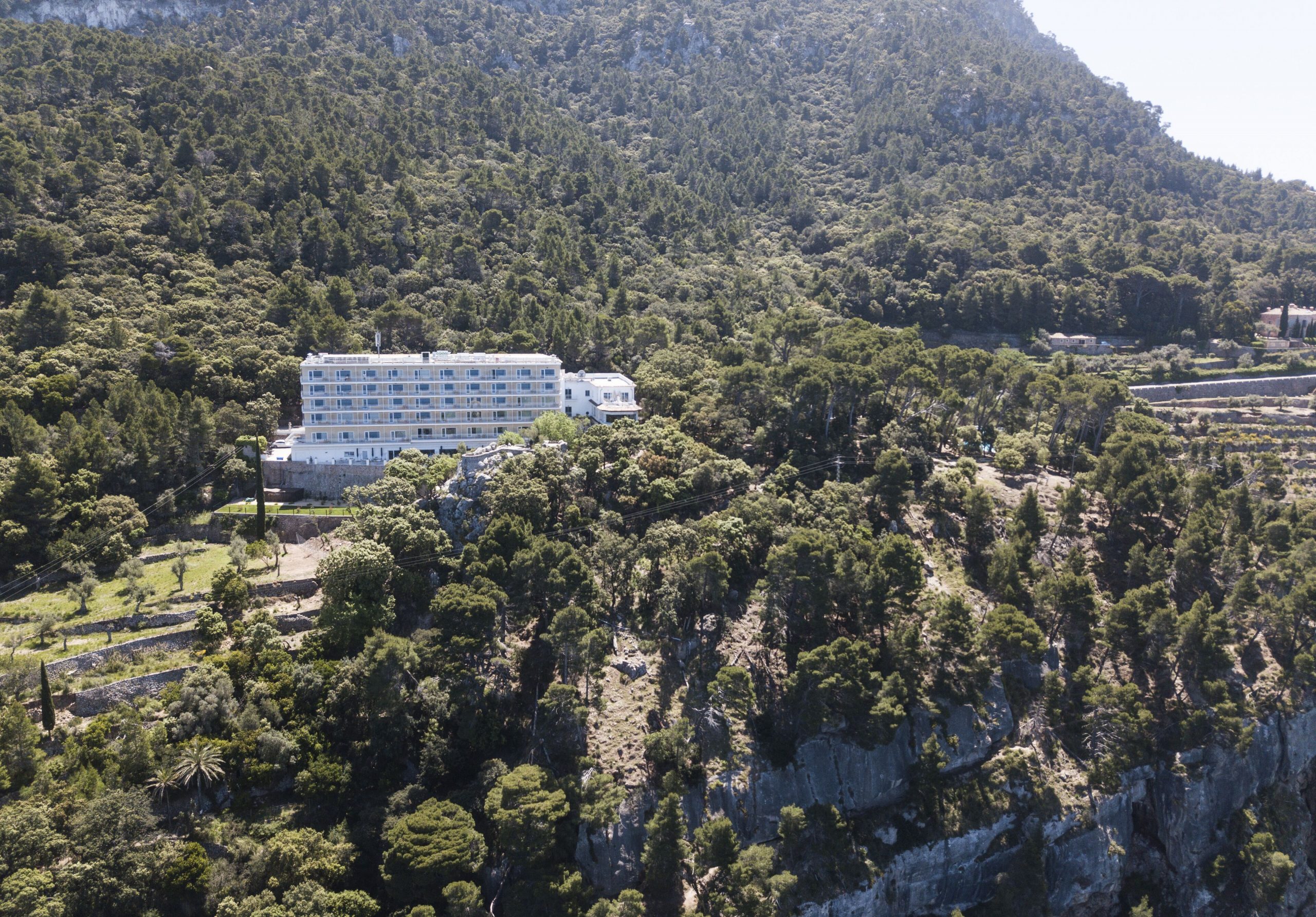
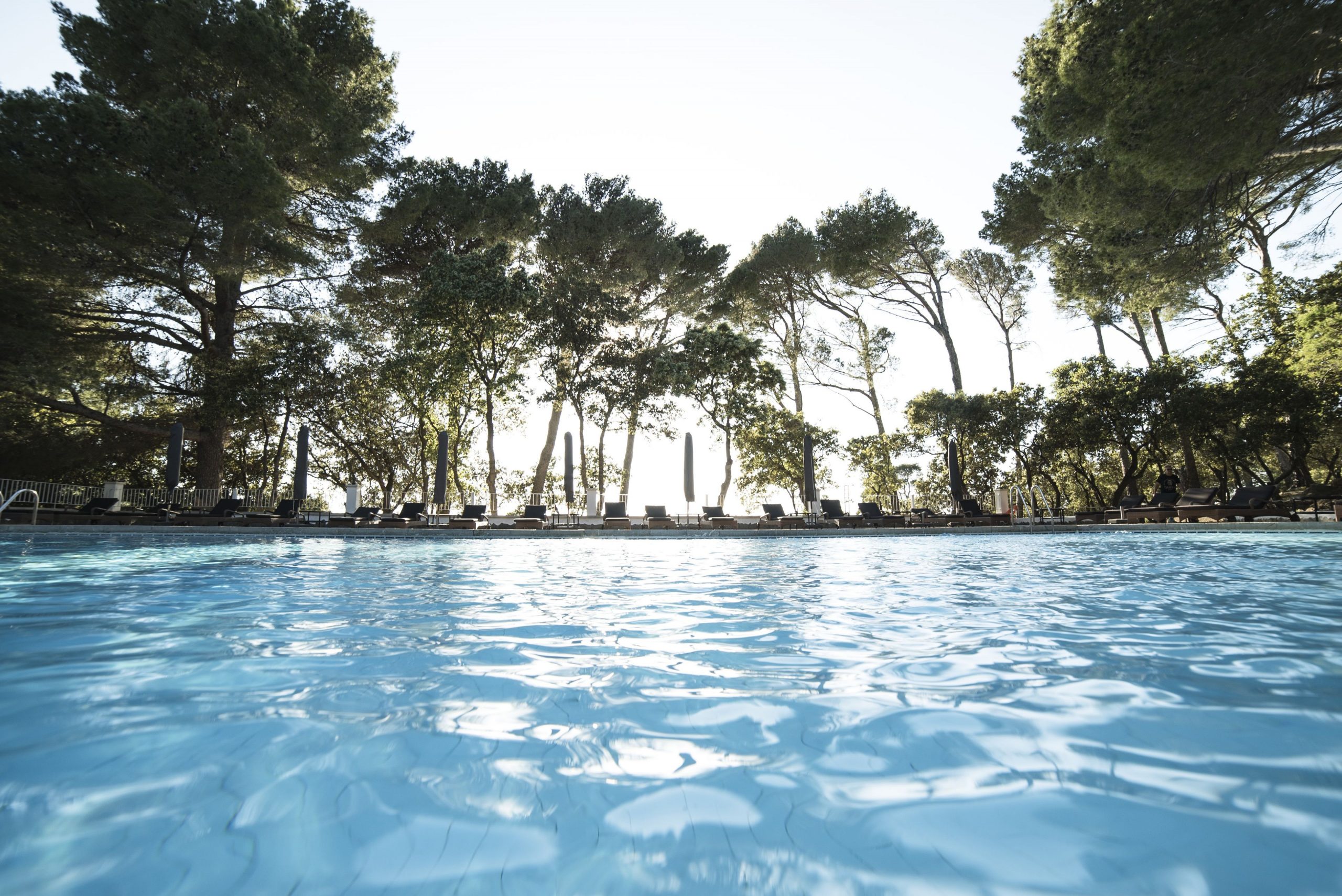
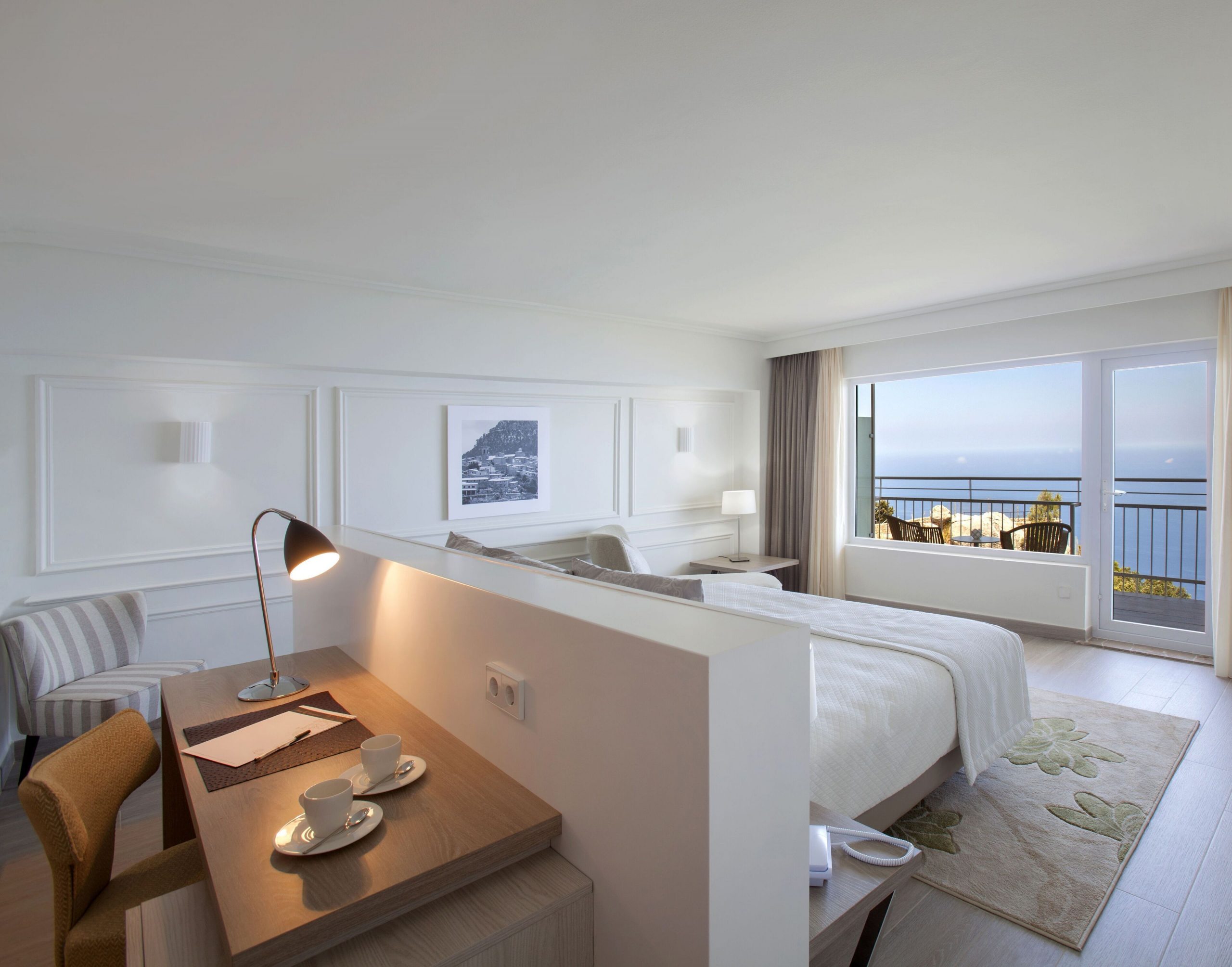
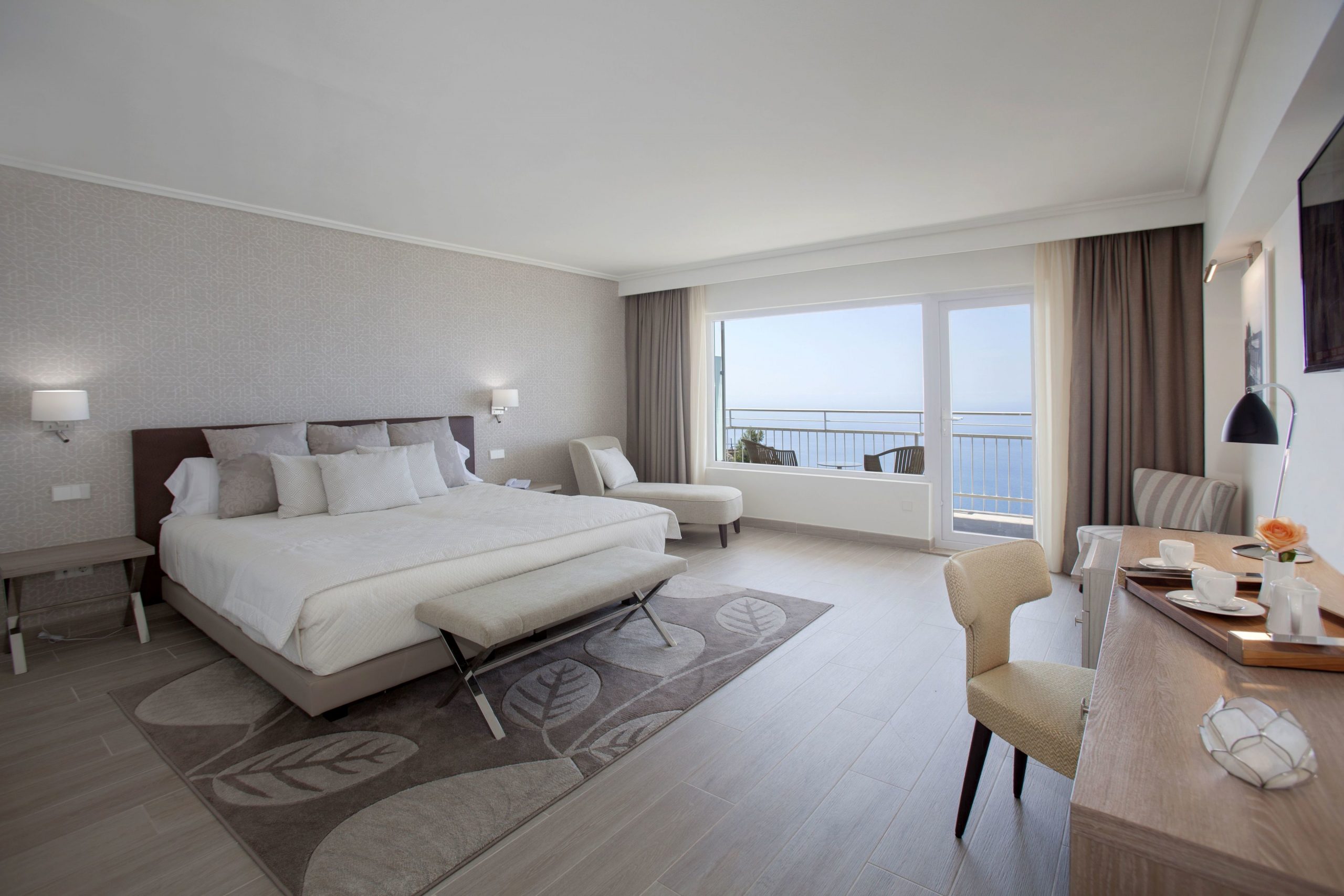
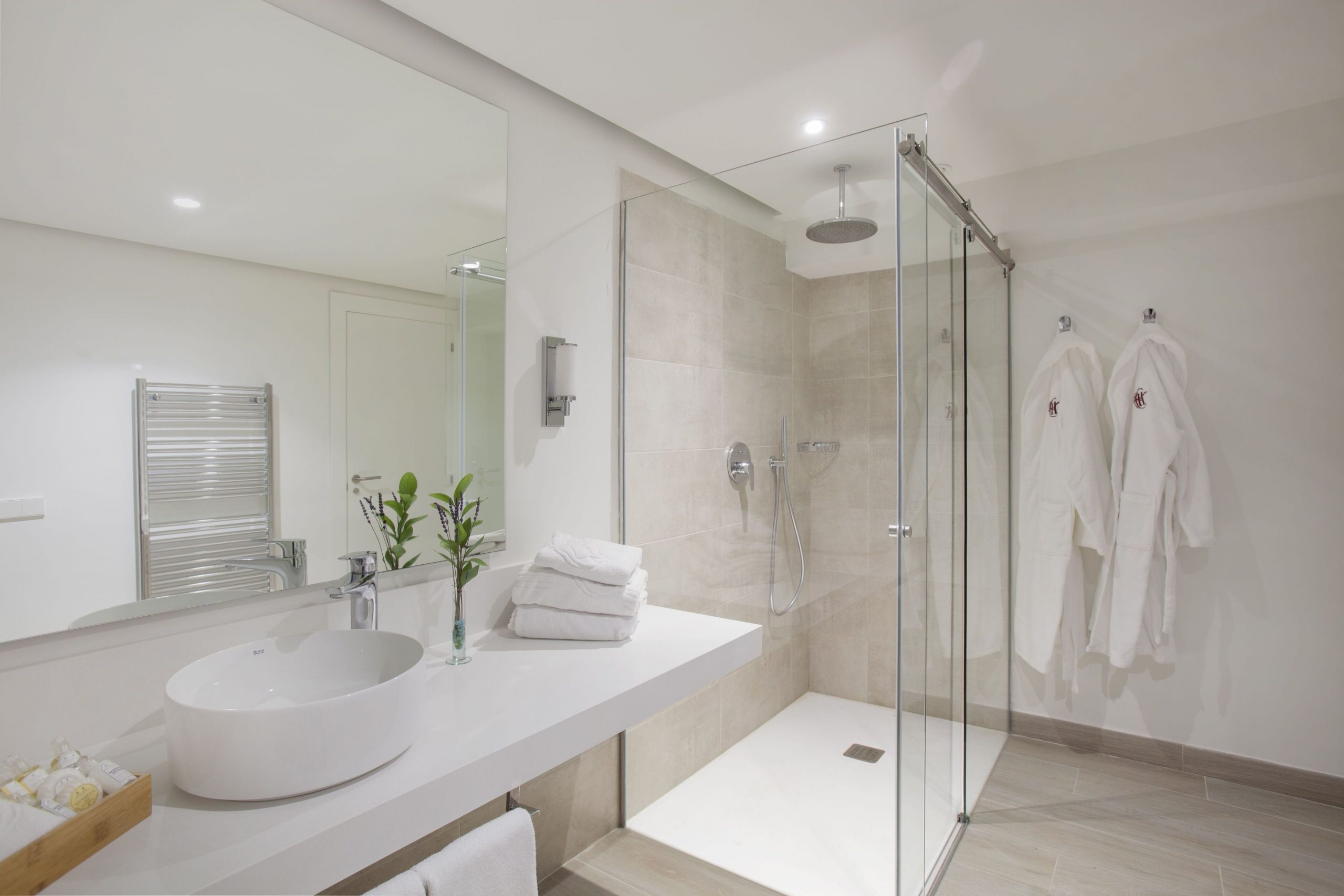
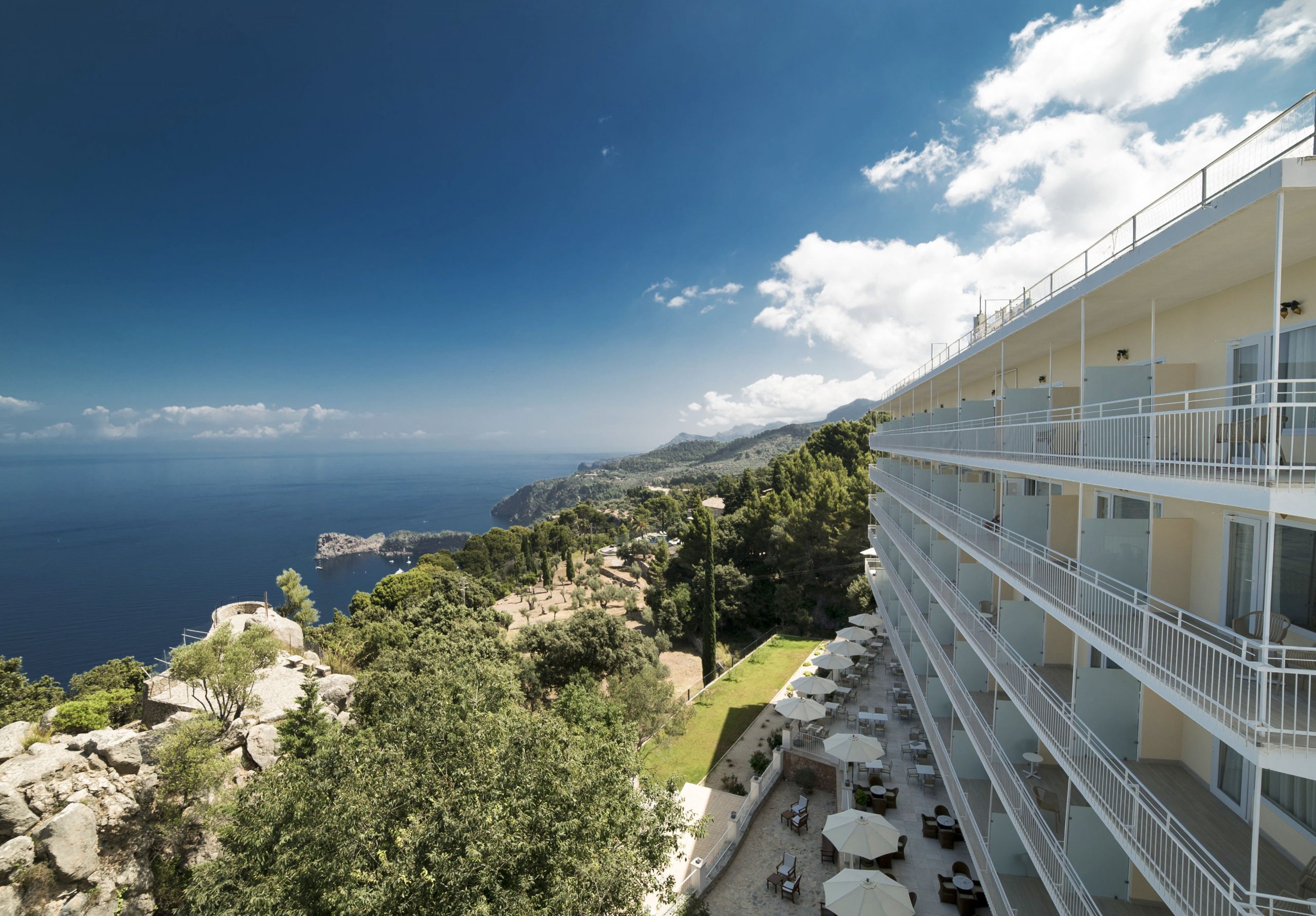
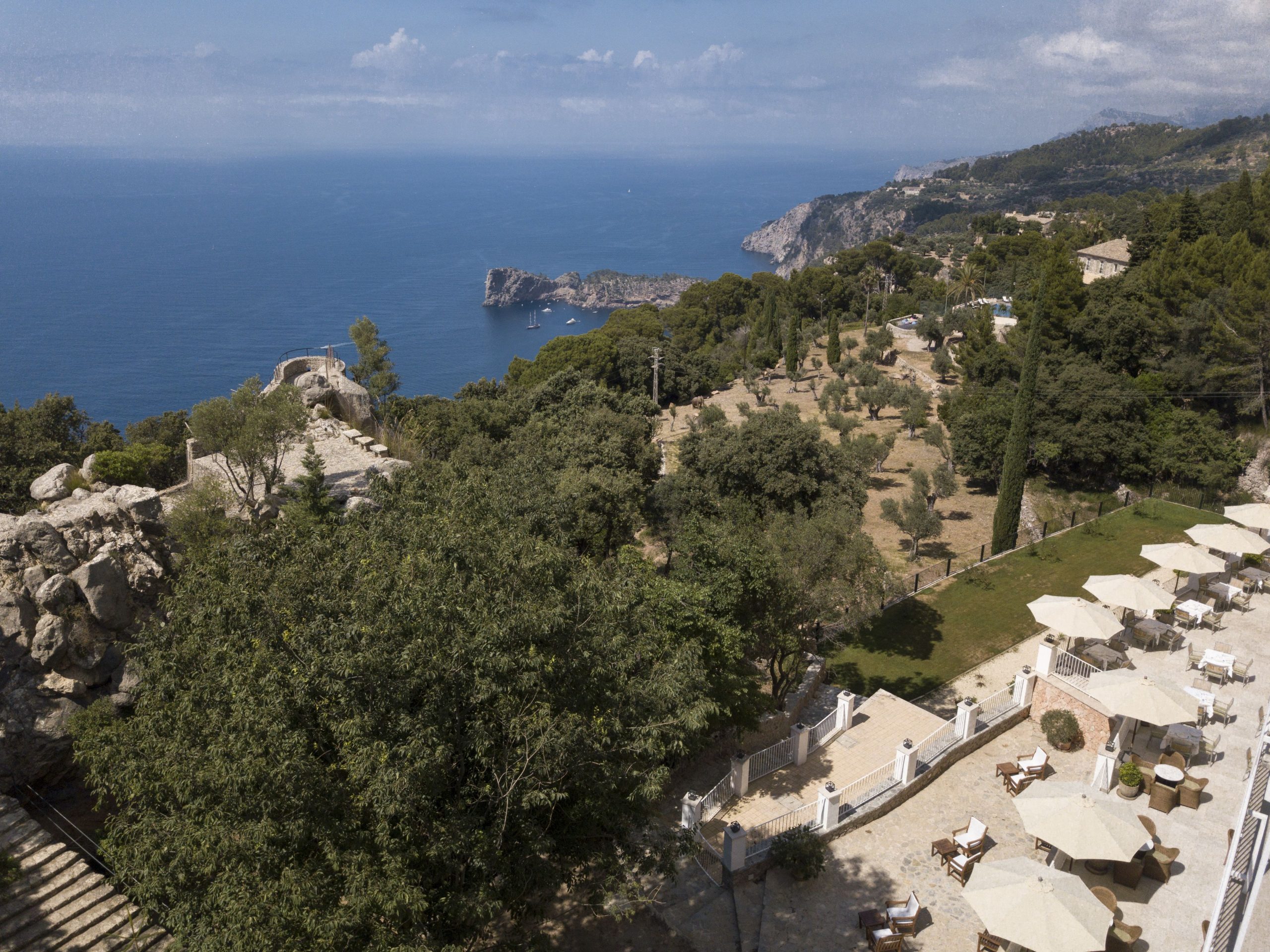
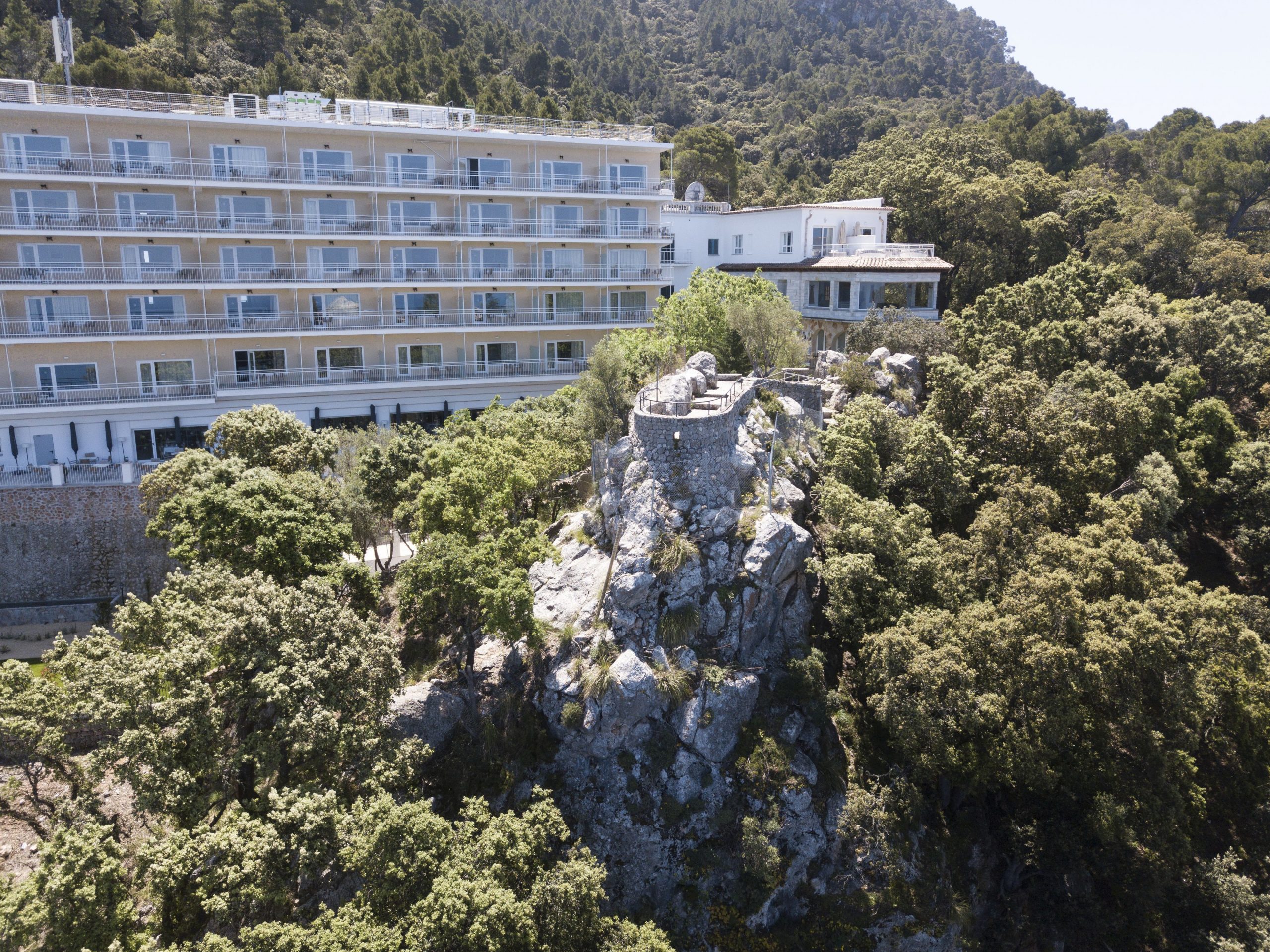
For this part of the Tramuntana, Hotel Bordoy Continental Valldemossa is a sensible base if you want the mountain-and-sea drama without paying Deià trophy-hotel prices. Set between Valldemossa and Deià, high above the Mediterranean, it gives you the views, pool and quiet Serra de Tramuntana atmosphere while still keeping both villages within easy reach.
Sóller and Port de Sóller: best for the most balanced Mallorca
Sóller might be the cleverest answer on the island.
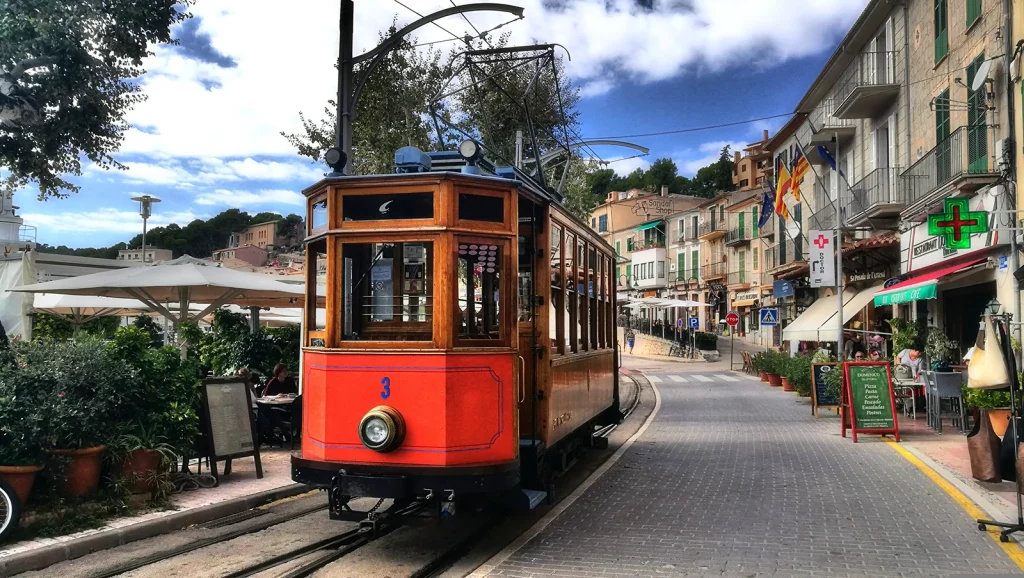
The town sits in a valley shaped by citrus, mountains and old trade routes, while Port de Sóller gives the whole experience a harbour and a beach. The historic tram between the two adds the sort of old-world detail that makes even a simple transfer feel like part of the trip.
Stay in Sóller itself if you want a handsome town, restaurants, market life, stone streets and a stronger sense of place. Stay in Port de Sóller if you want sea views, a promenade, easier swimming and a more relaxed resort rhythm. Together, they offer one of Mallorca’s best compromises: scenic but not too precious, practical but not bland, romantic but not impossibly remote.
This is a strong base for first-timers who do not want Palma, couples who want beauty without Deià prices, walkers who want the Tramuntana close, and families who prefer a smaller harbour setting to a huge resort strip.
It is less ideal if you want long sandy beaches or nightlife. Port de Sóller is pretty and sheltered, but it is not Playa de Muro. Sóller is atmospheric, but it is not Palma after midnight.
If a friend asked me where to stay in Mallorca for a first proper grown-up trip, and they wanted scenery, food, charm and sea without trying too hard, I would probably whisper: Sóller.
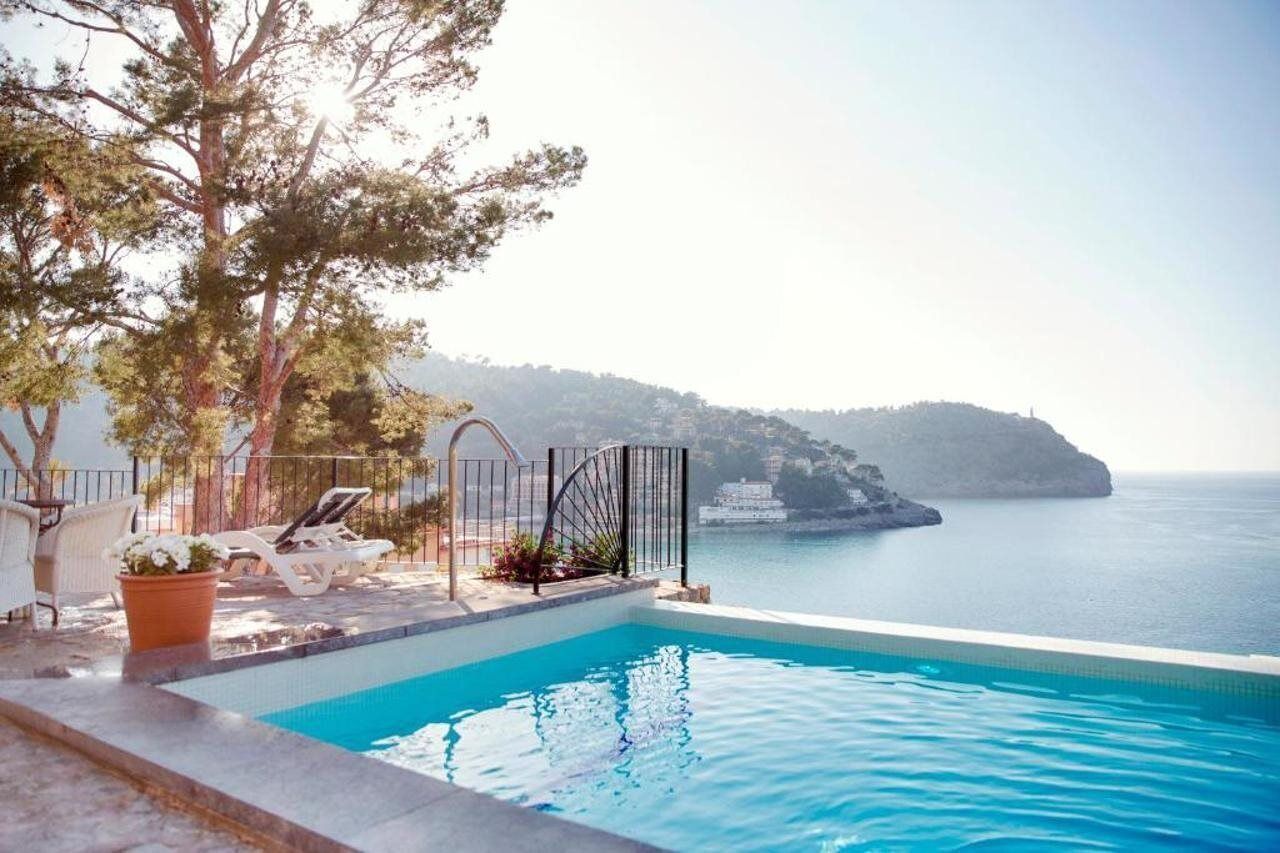
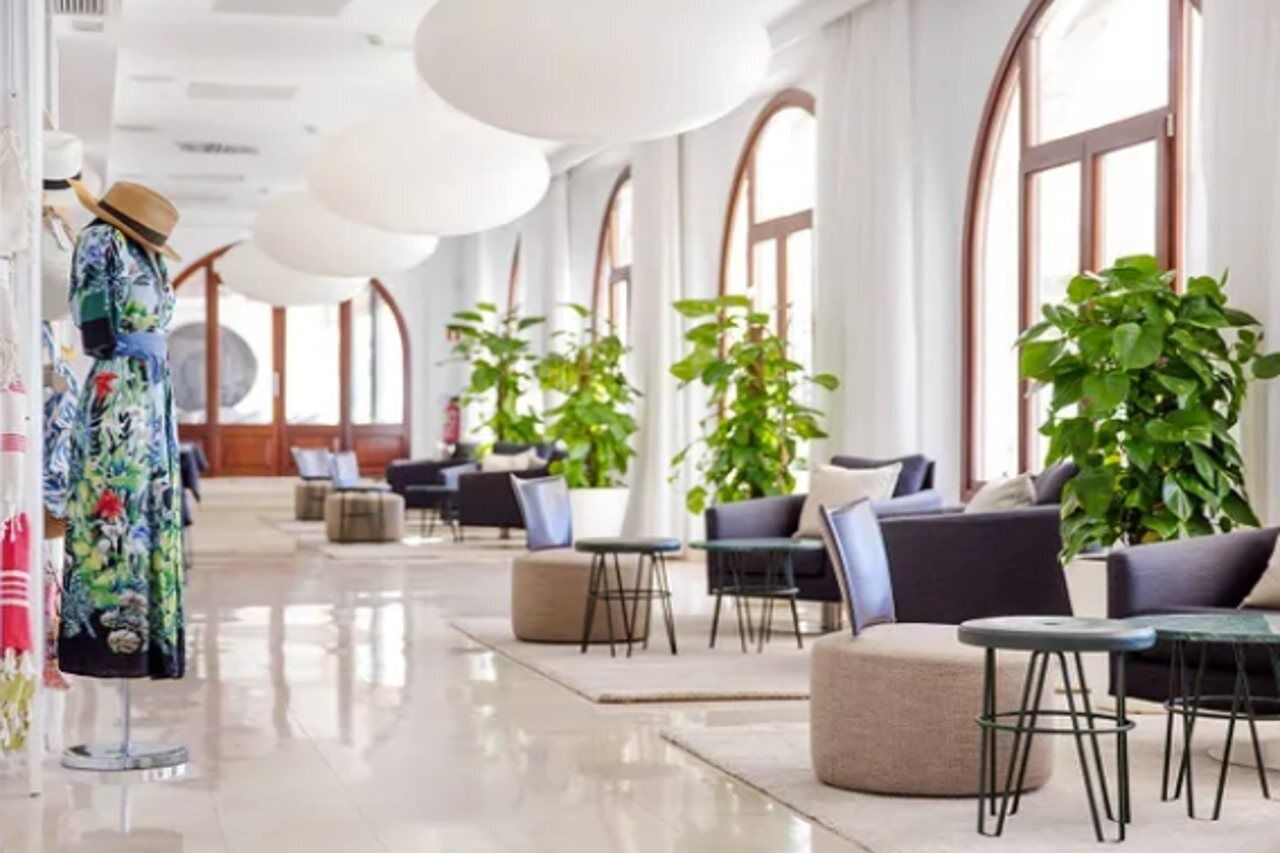
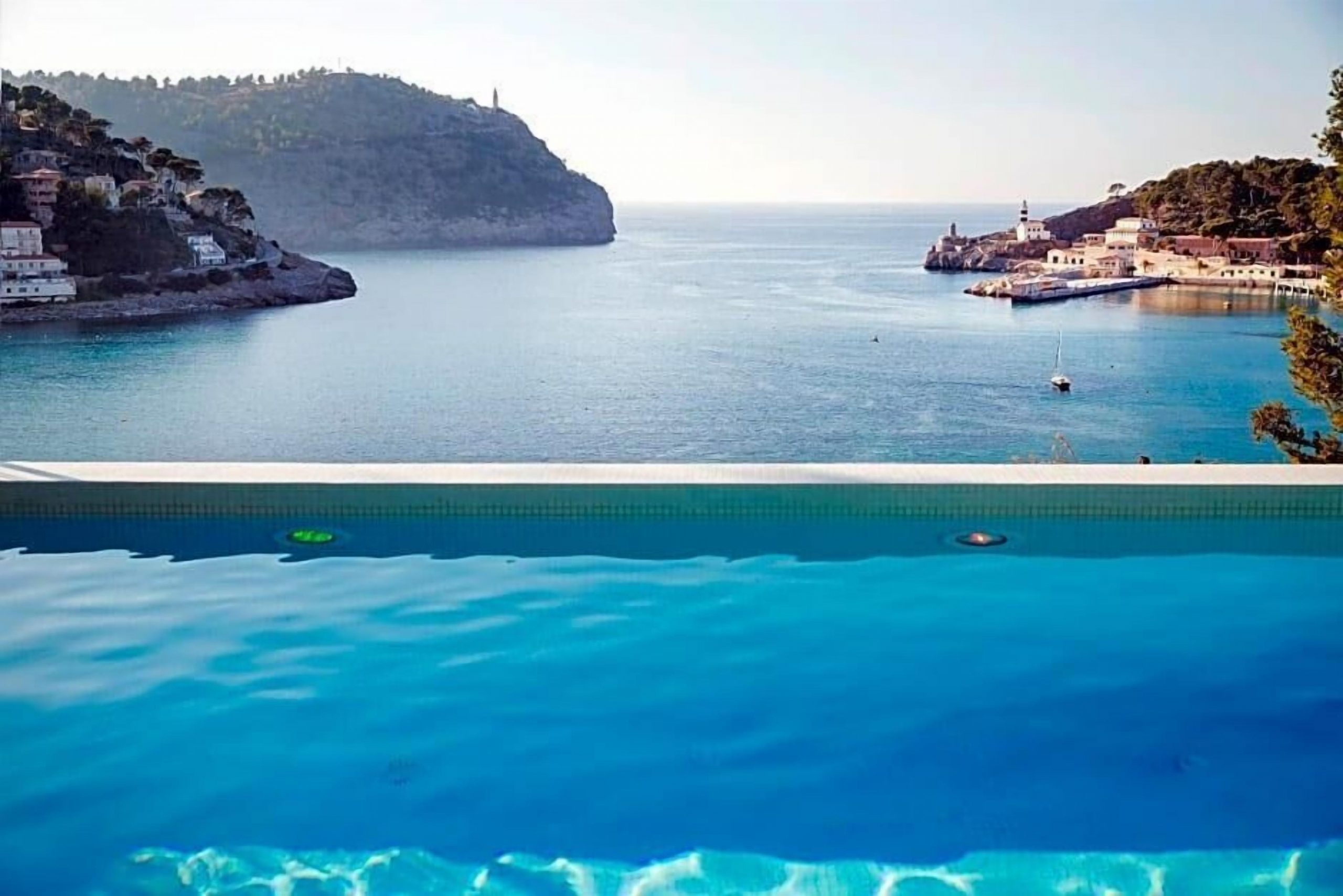
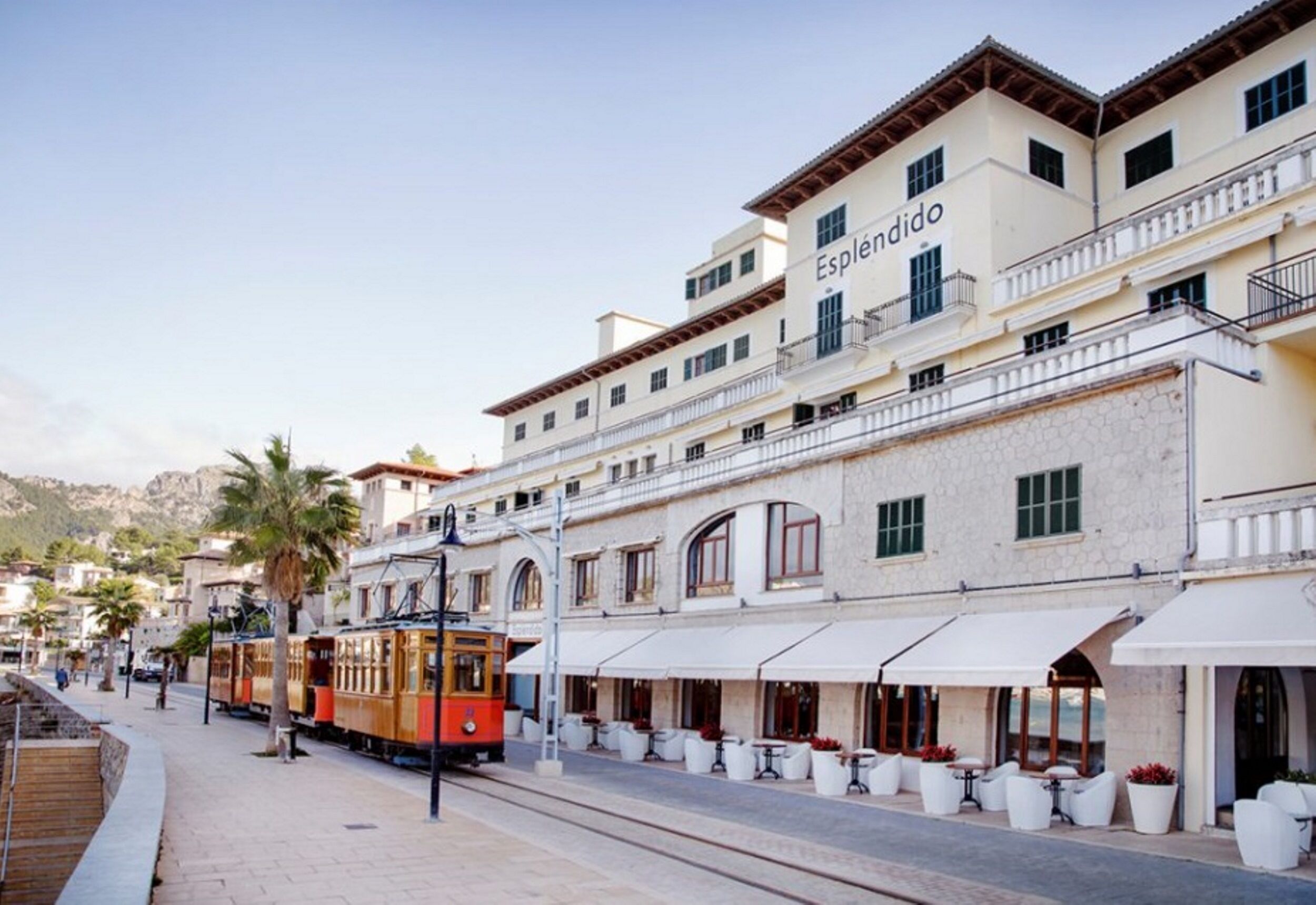
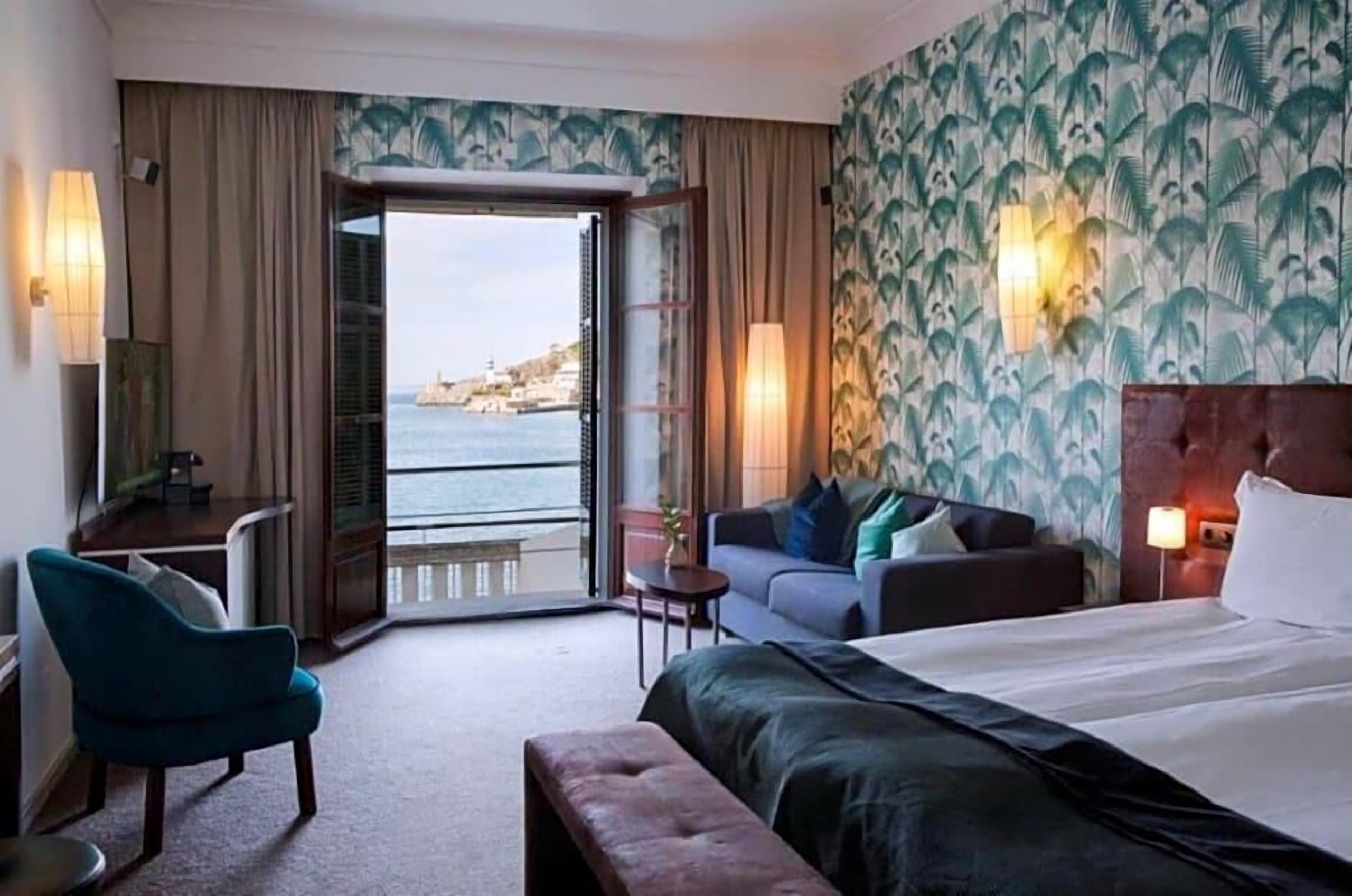
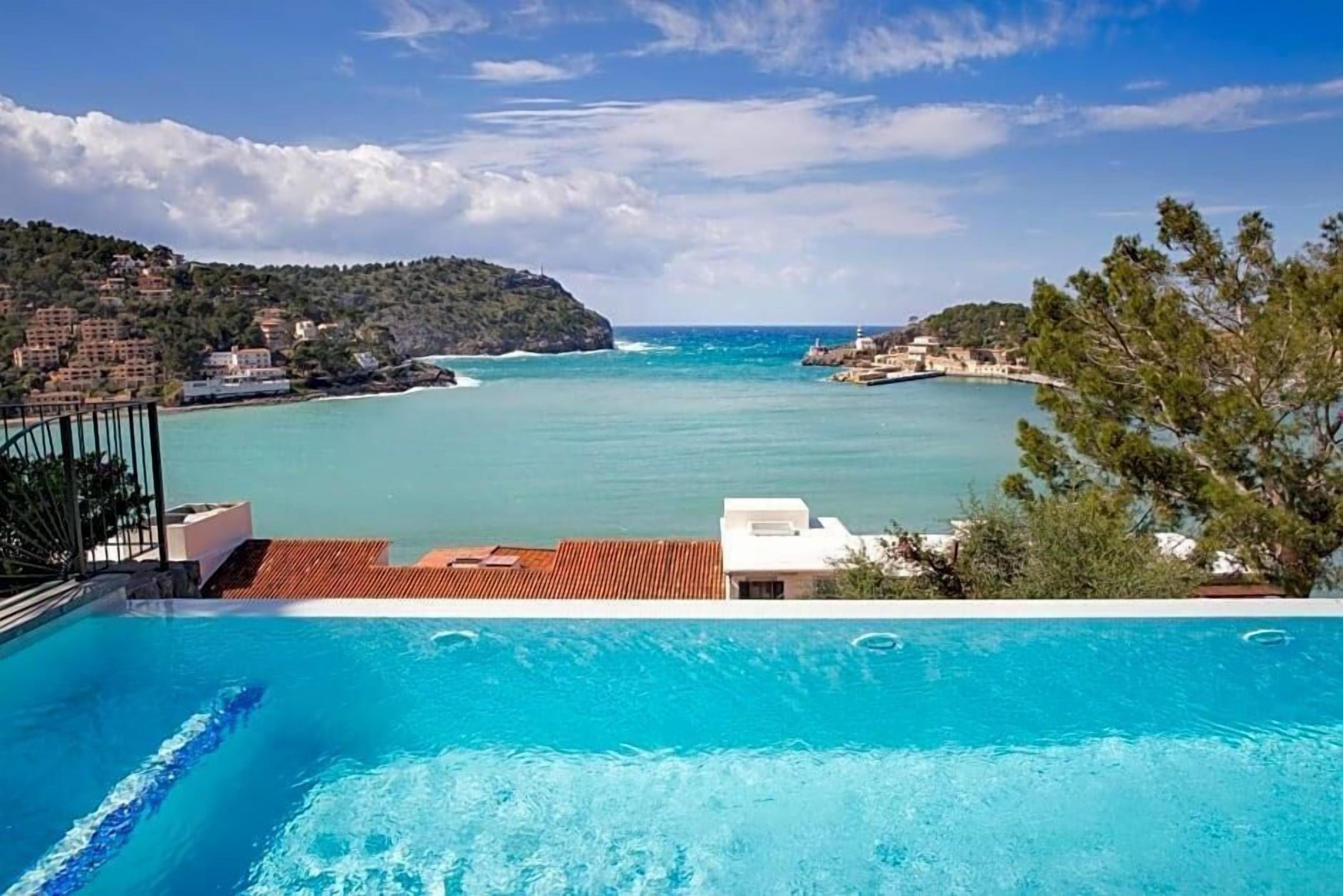
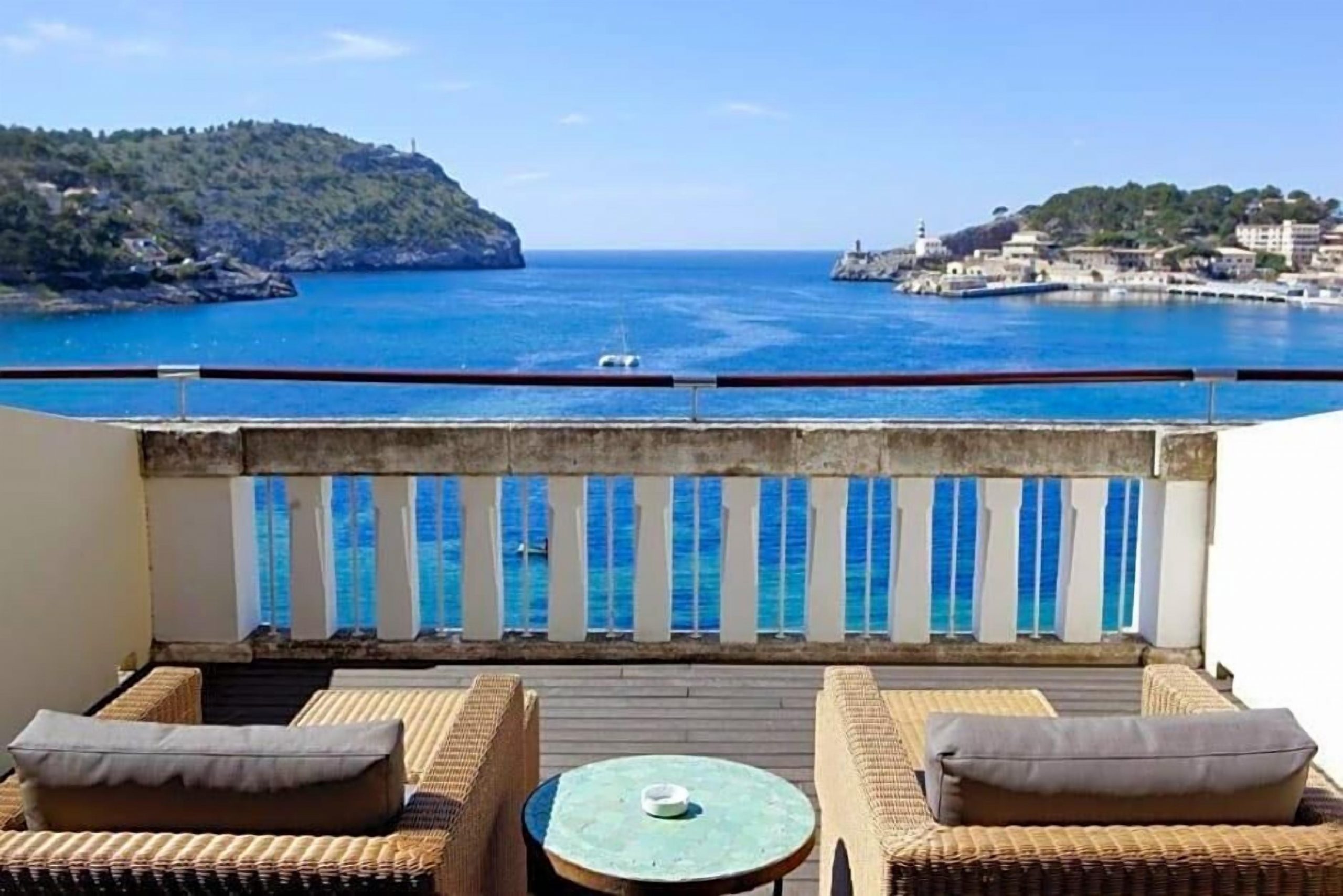
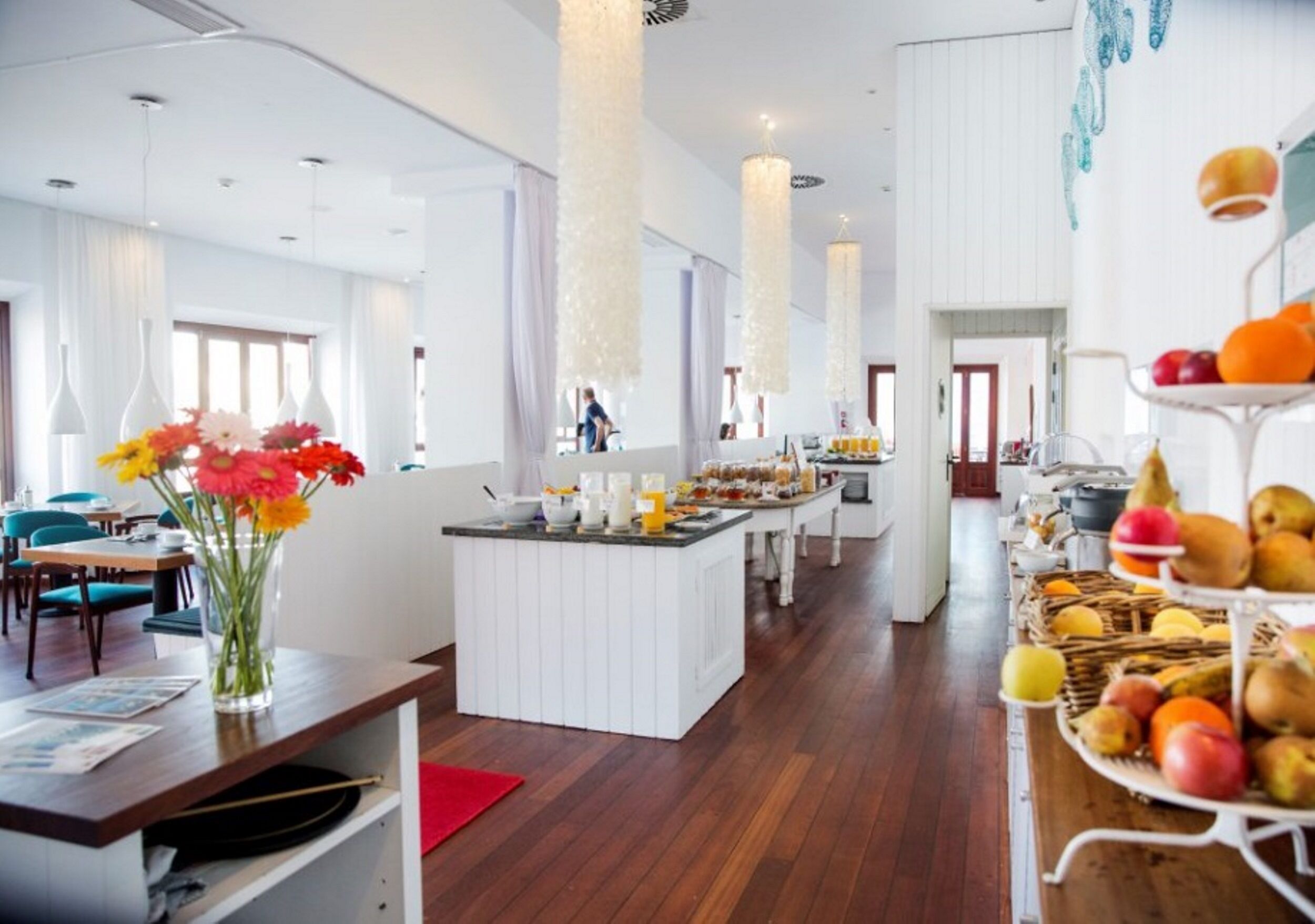
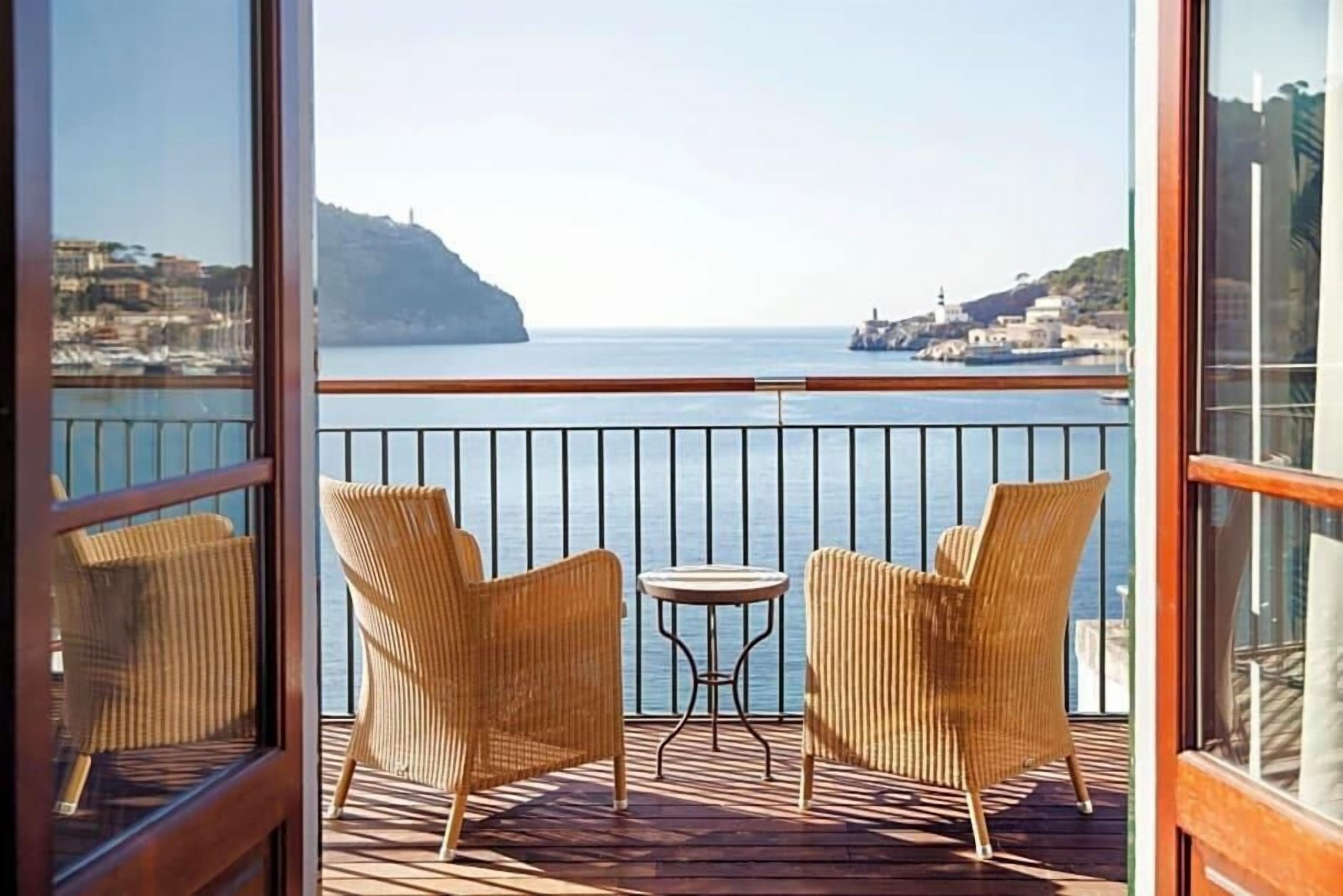
If you want Port de Sóller to feel polished rather than purely practical, Esplendido is the natural step up: a stylish harbour-side hotel within easy reach of the beach, marina and tram, with the kind of grown-up seaside atmosphere that suits couples, first-timers and anyone using Sóller as their softer Tramuntana base.
Pollença and Port de Pollença: best for elegant northern ease
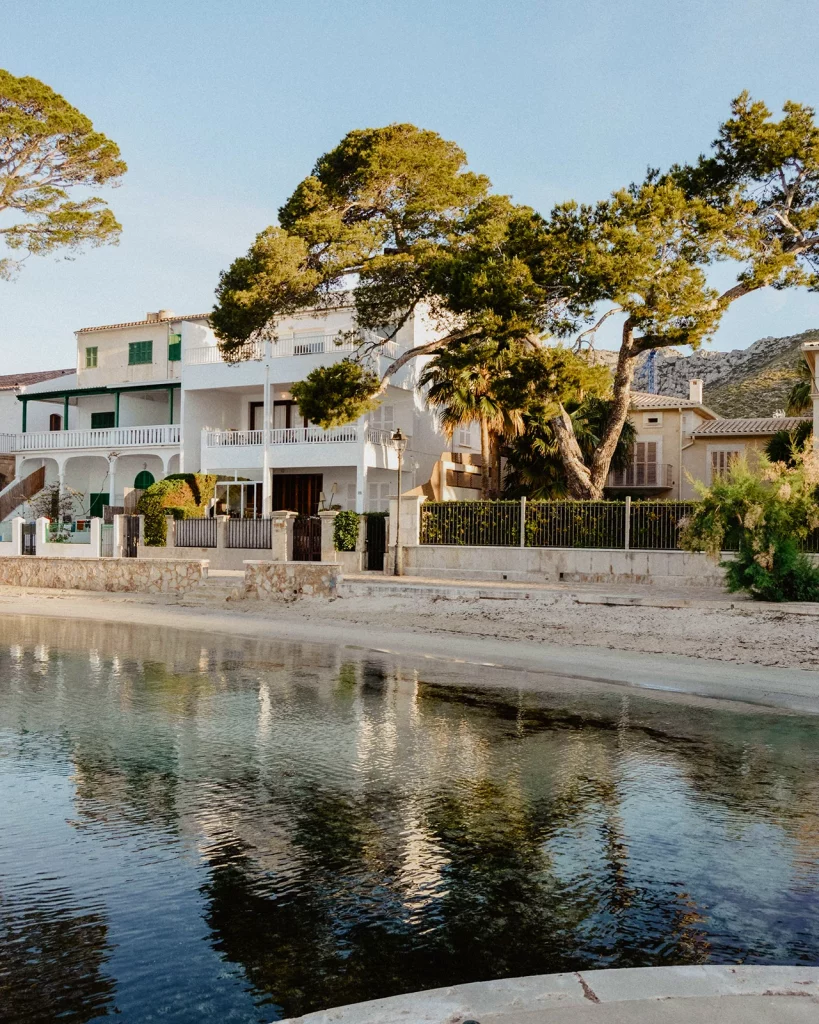
The north of Mallorca is wonderfully useful.
Pollença old town gives you history, stone streets, galleries, cafés, the Calvari steps and a quieter, more settled atmosphere than many resort bases. Port de Pollença gives you the bay, boats, a promenade, beaches, restaurants and easy family rhythm. Together, they offer one of the island’s best split personalities: old town by evening, sea by day.
This is a particularly good base for families who want somewhere prettier than a generic resort, couples who want calm rather than clubbing, cyclists, walkers and repeat visitors who have already done Palma or the Tramuntana villages. It also gives you access to Formentor, Alcúdia, Playa de Muro and the wilder north.
Stay in Pollença if you want atmosphere and do not mind driving or taking transport to the beach. Stay in Port de Pollença if you want the water closer and the holiday to run more easily.
The trade-off is distance from Palma and the south-west. You will not casually pop into the capital for dinner. But that is also the point. The north feels like its own chapter.
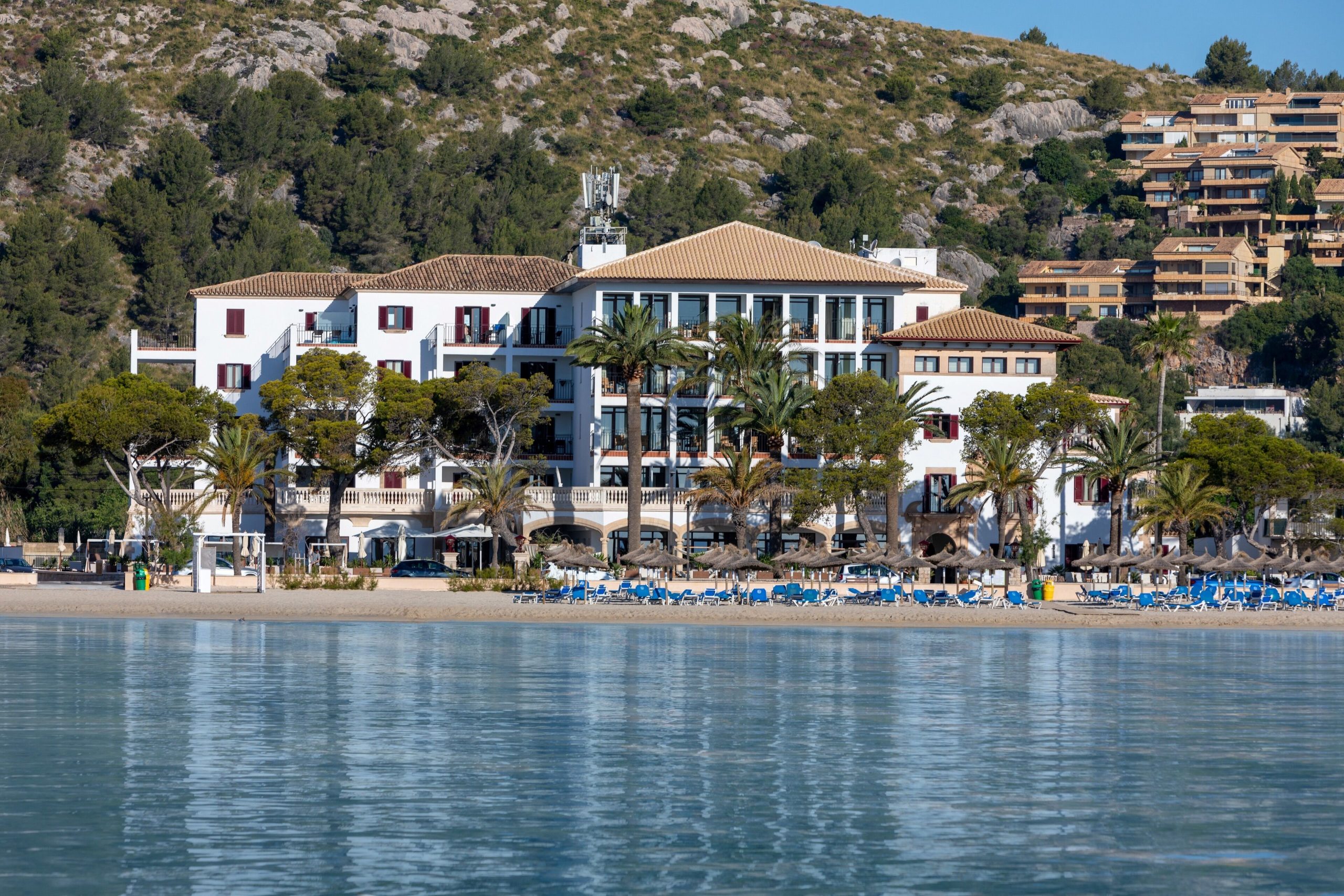
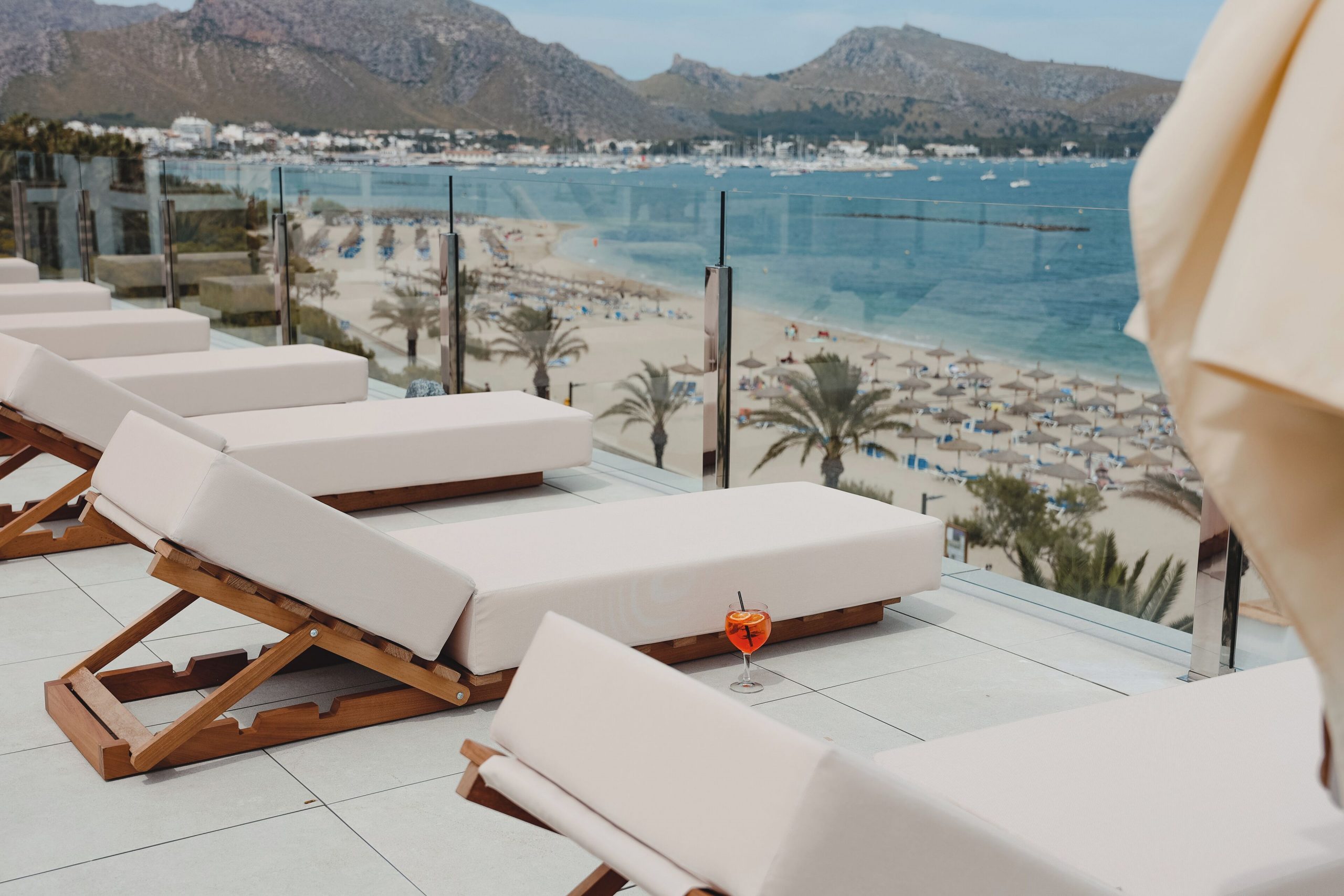
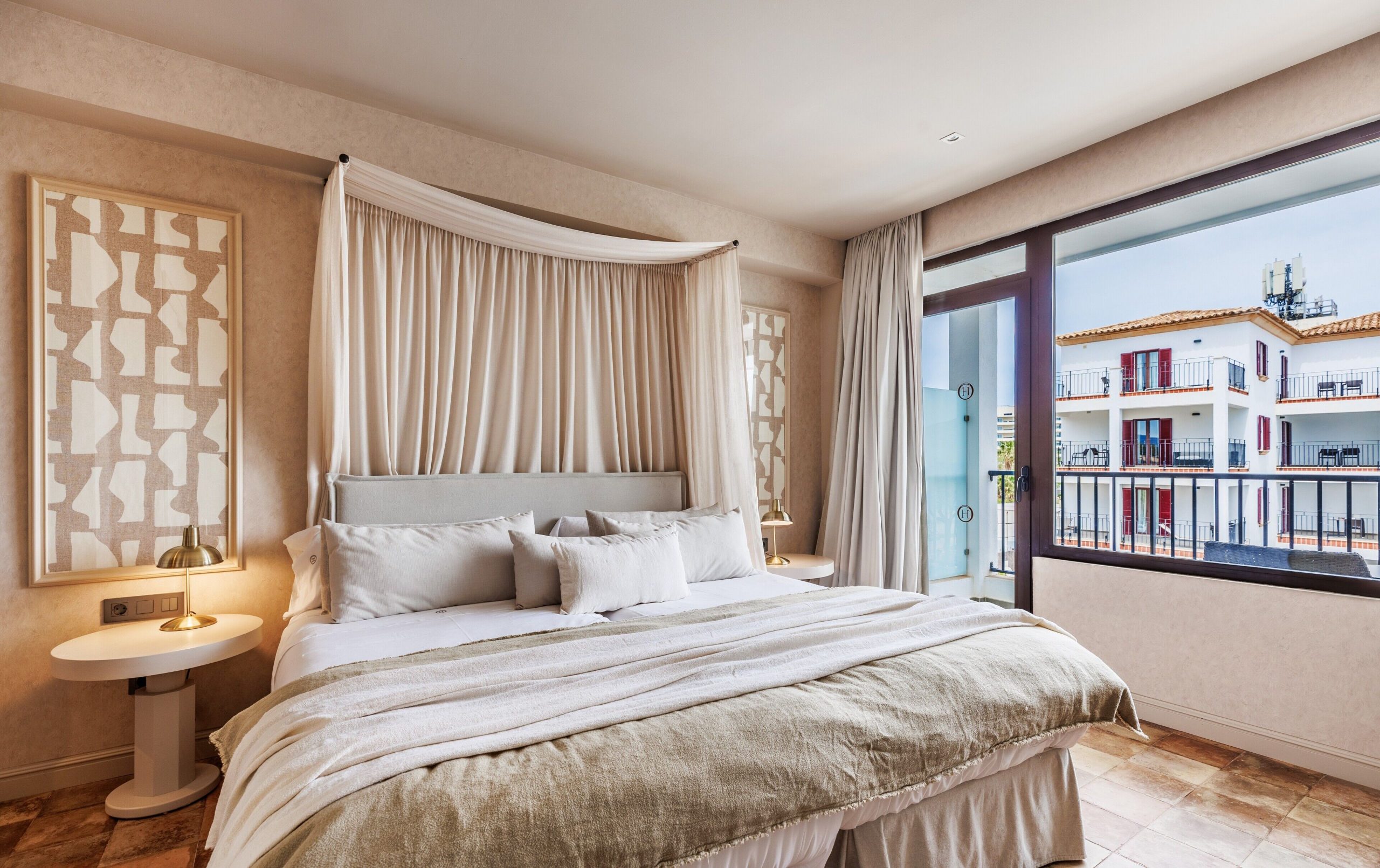
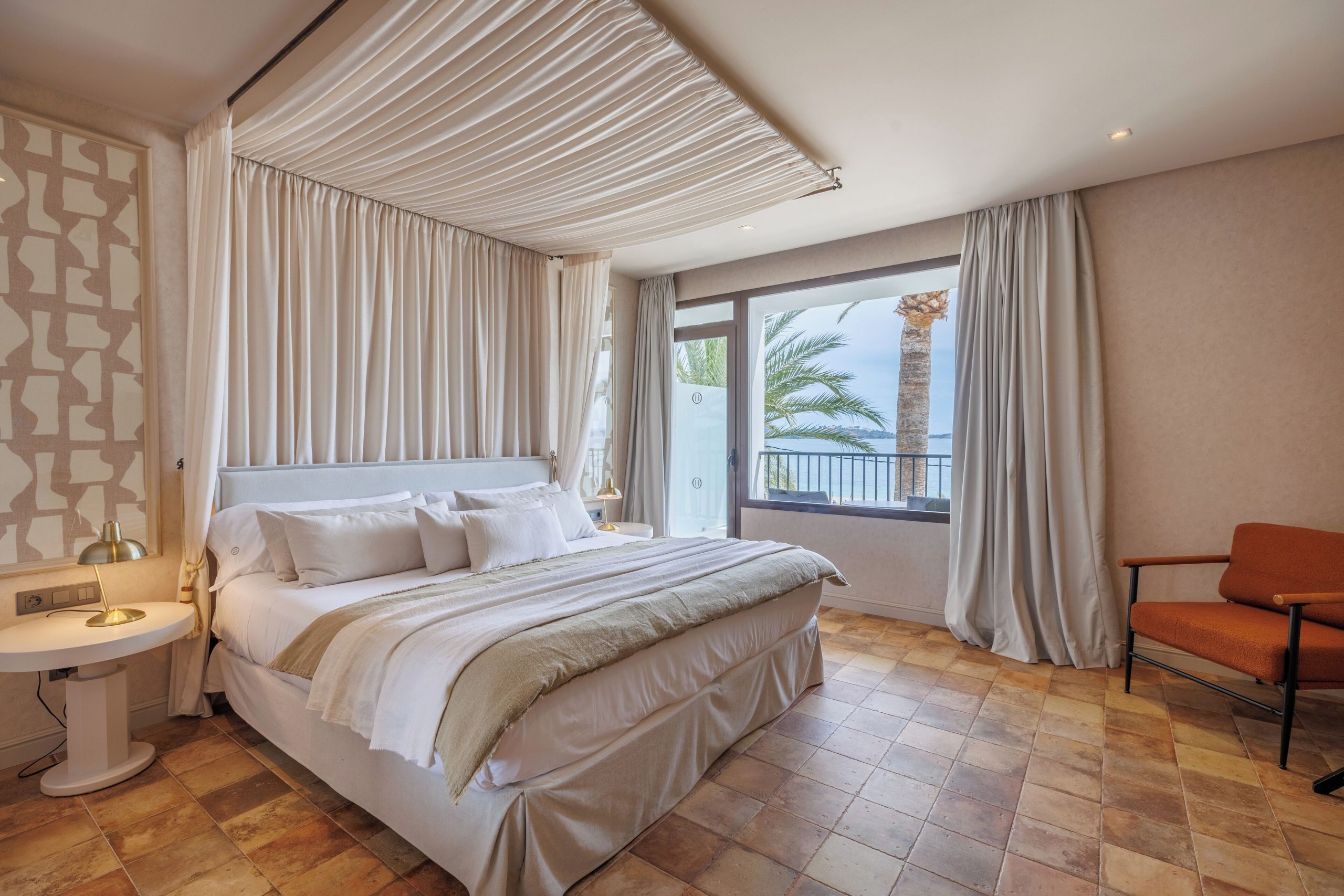
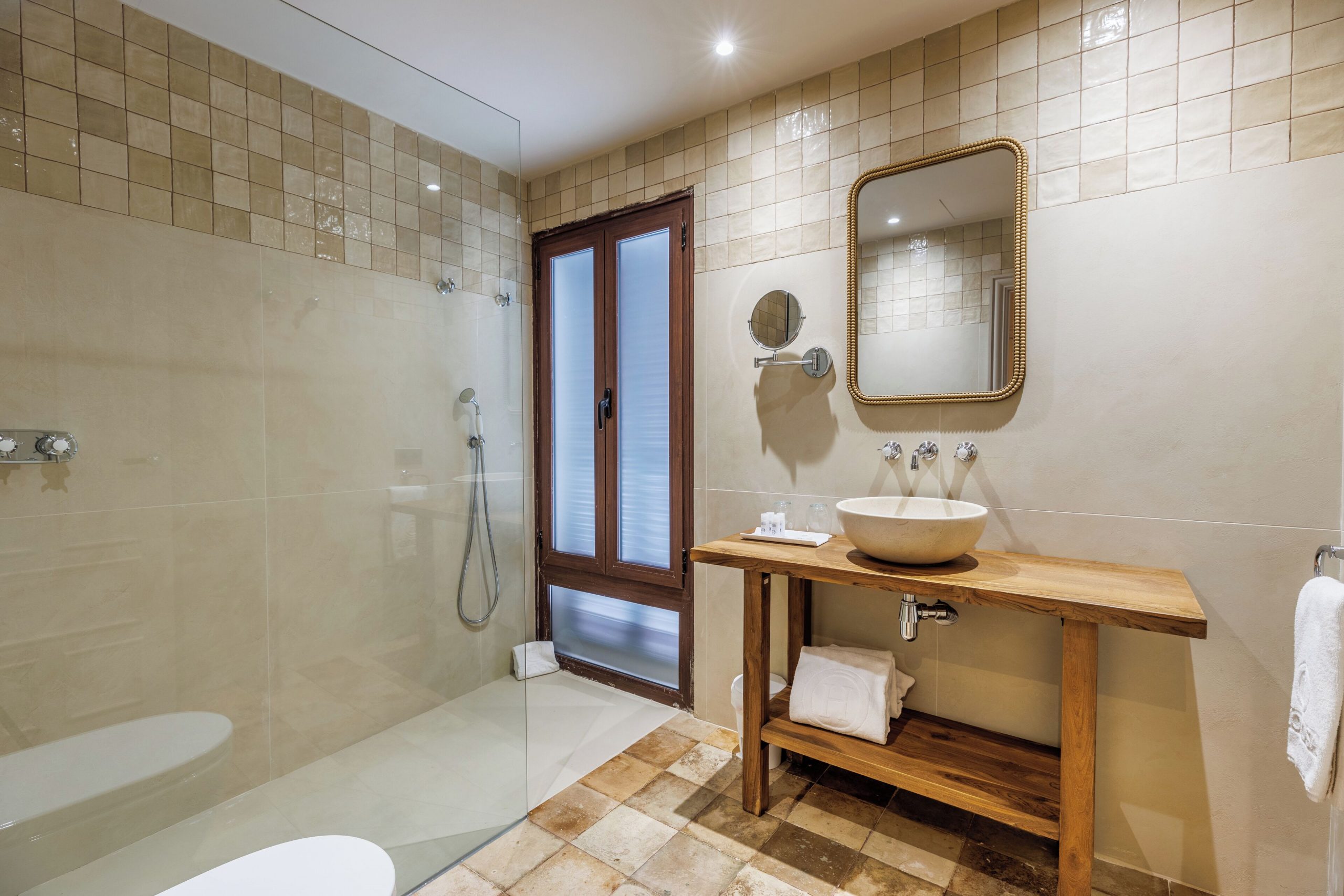
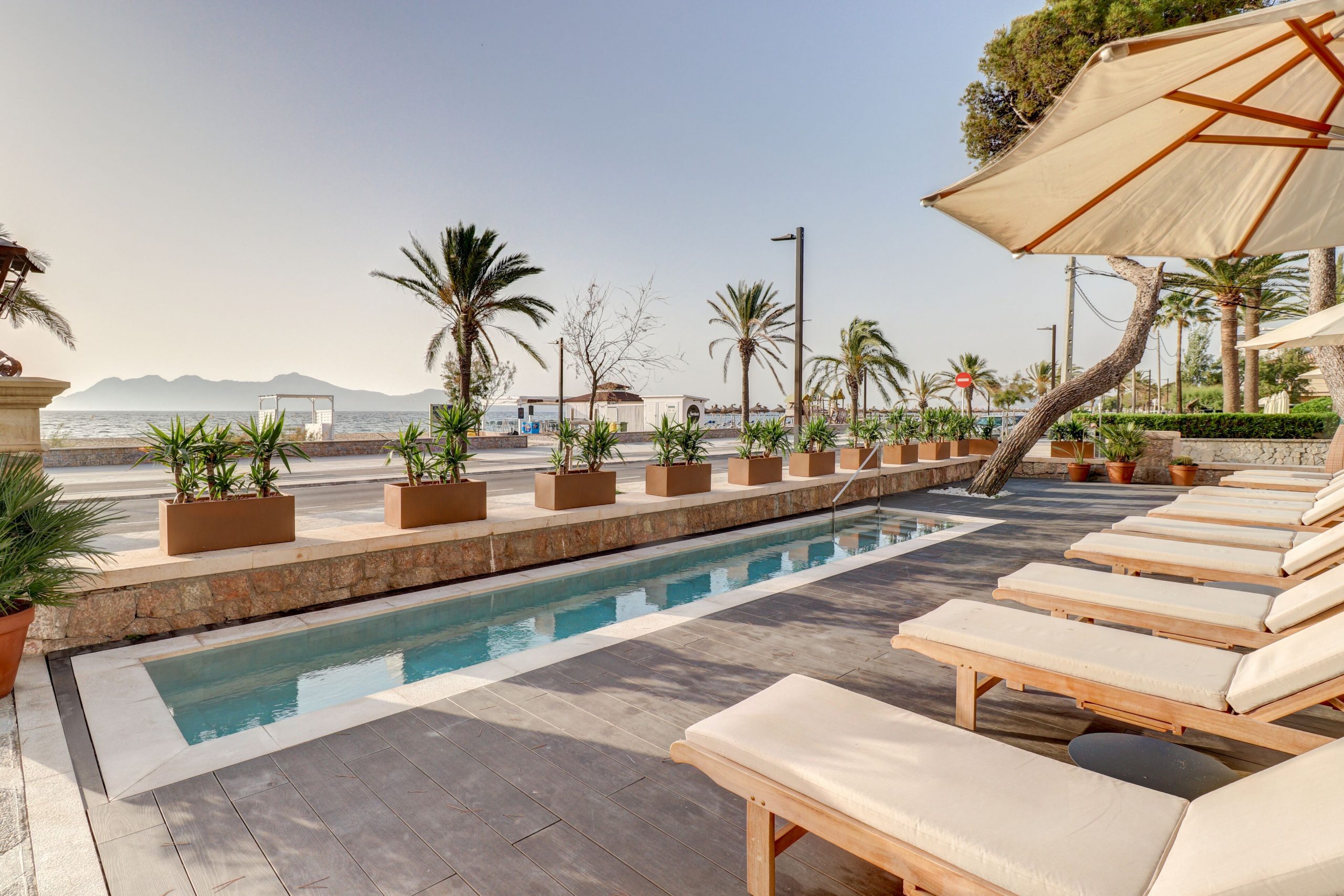
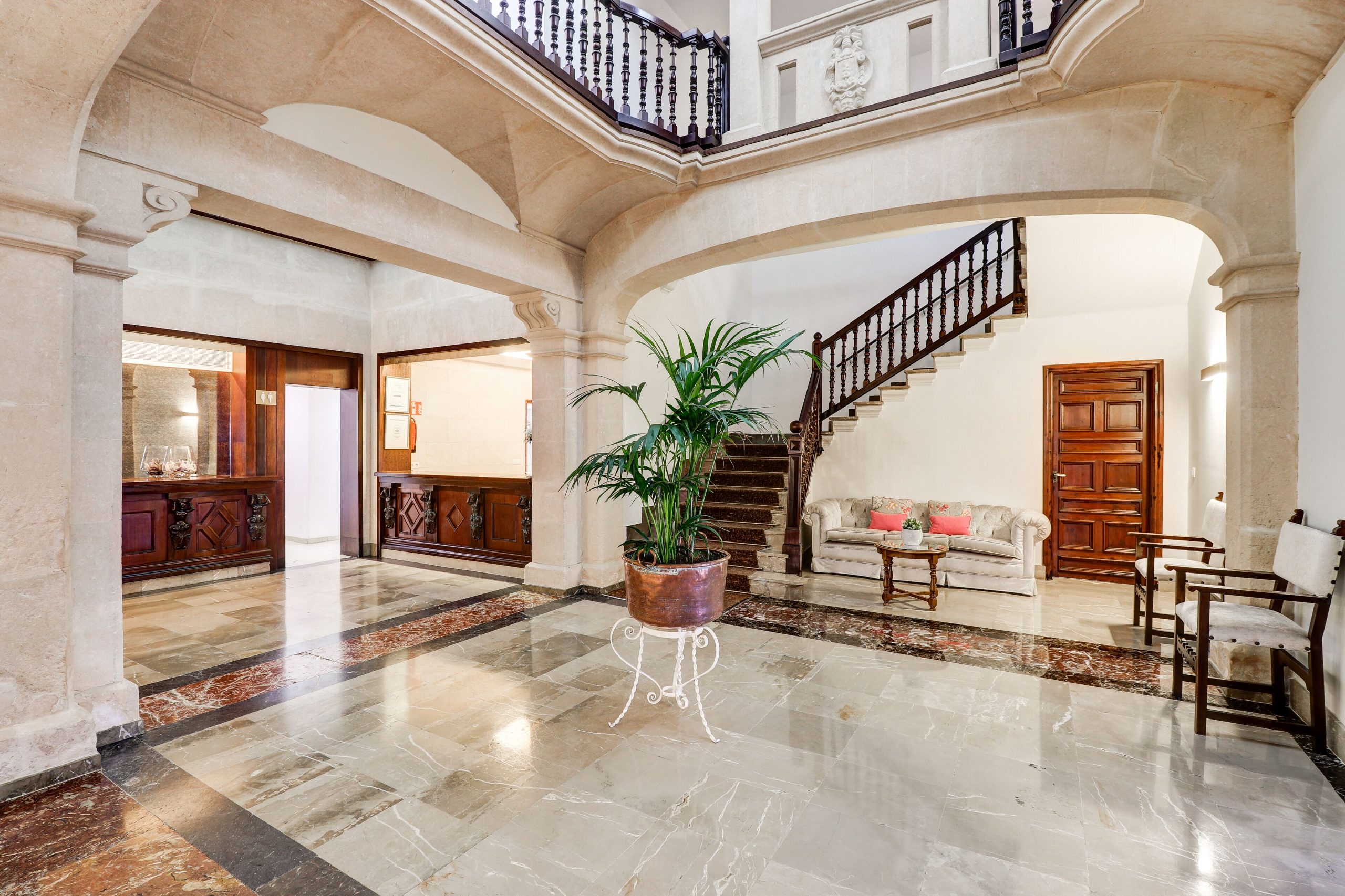
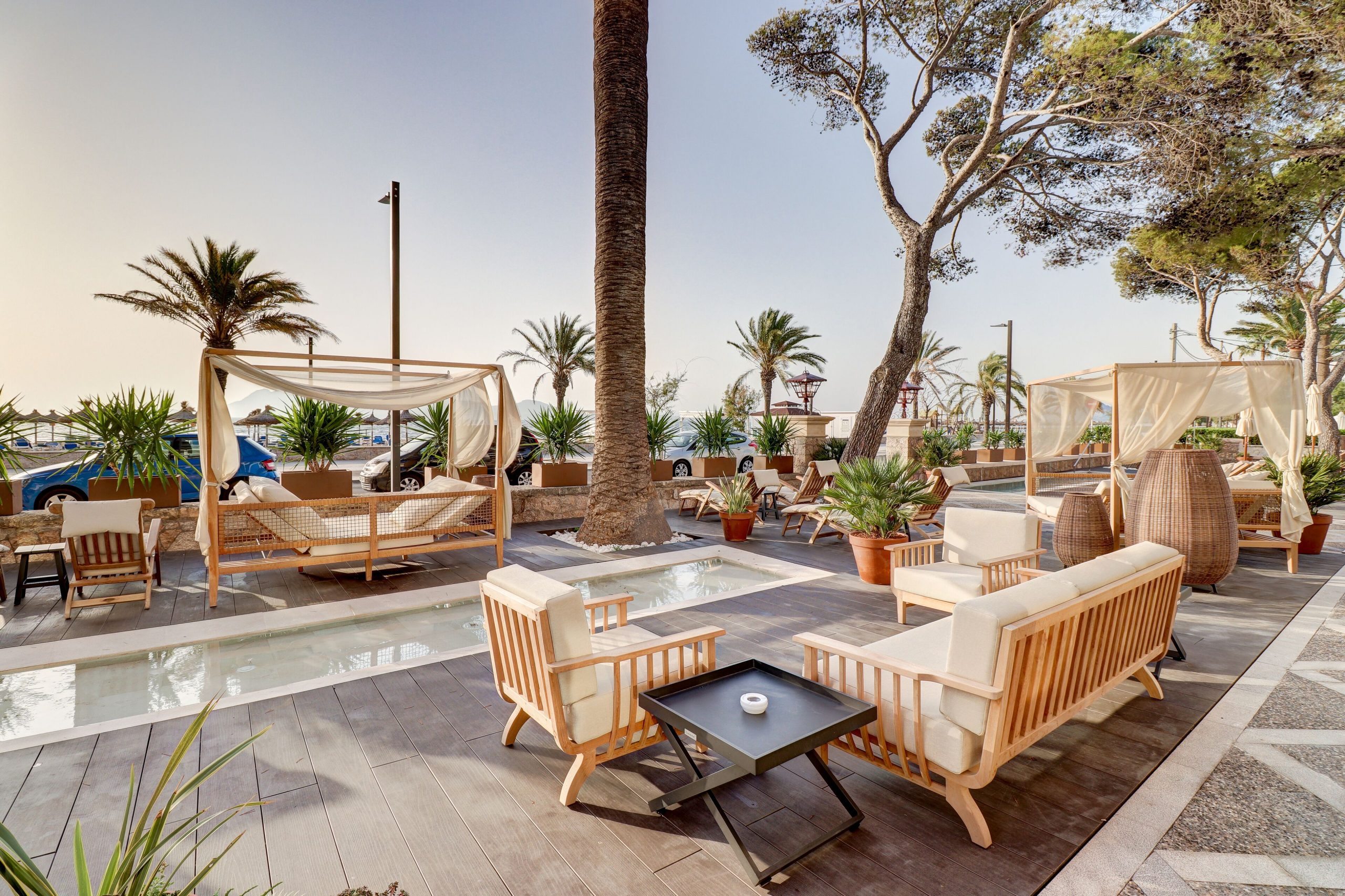
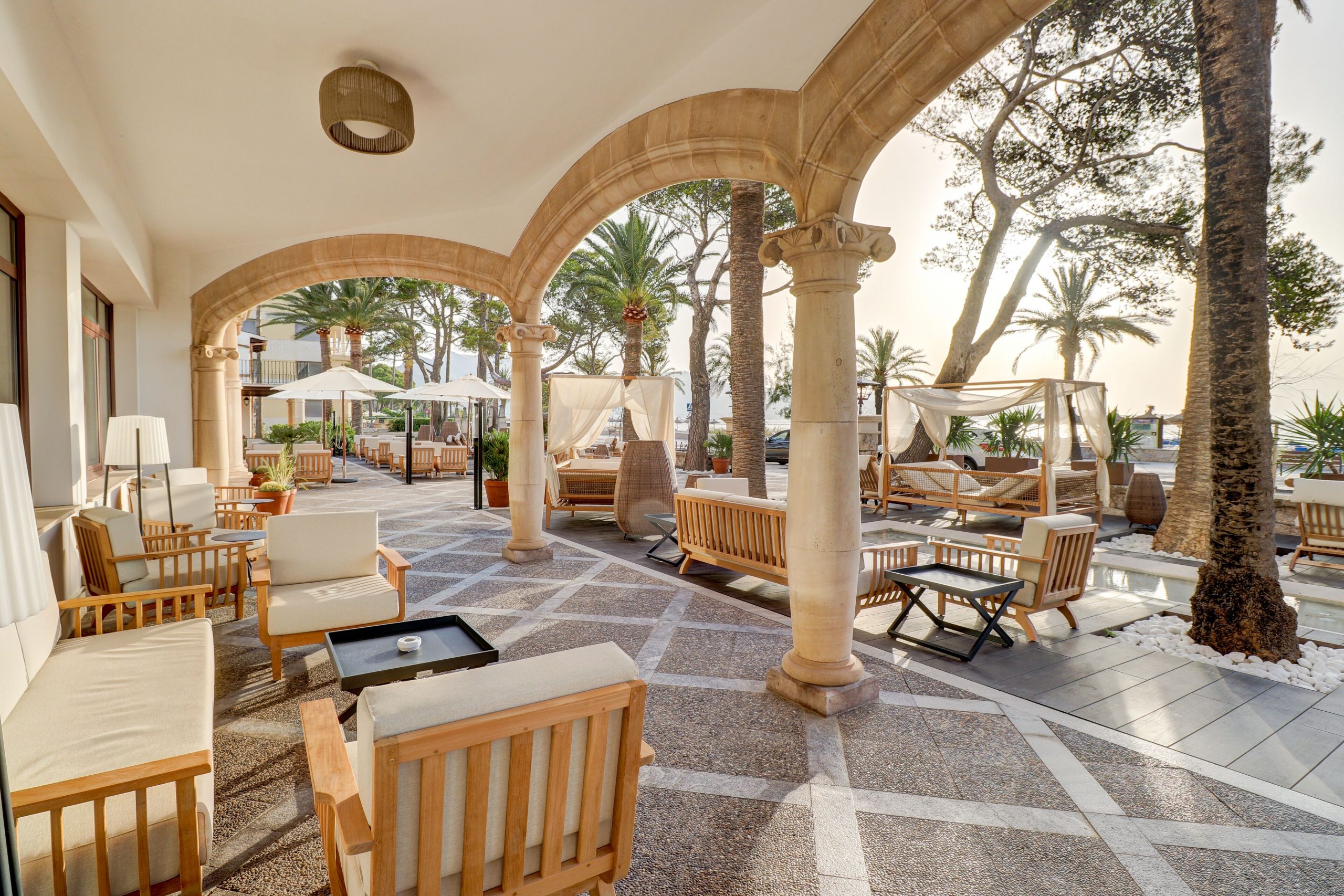
For Port de Pollença, Hoposa Uyal is the kind of hotel that makes the north feel easy without making it feel ordinary: close to the beach and bay, polished enough for couples, practical enough for families, and well placed for travellers who want Pollença’s old-town charm, Formentor day trips and calm seaside evenings in the same holiday.
Alcúdia and Playa de Muro: best for families and beach-first holidays
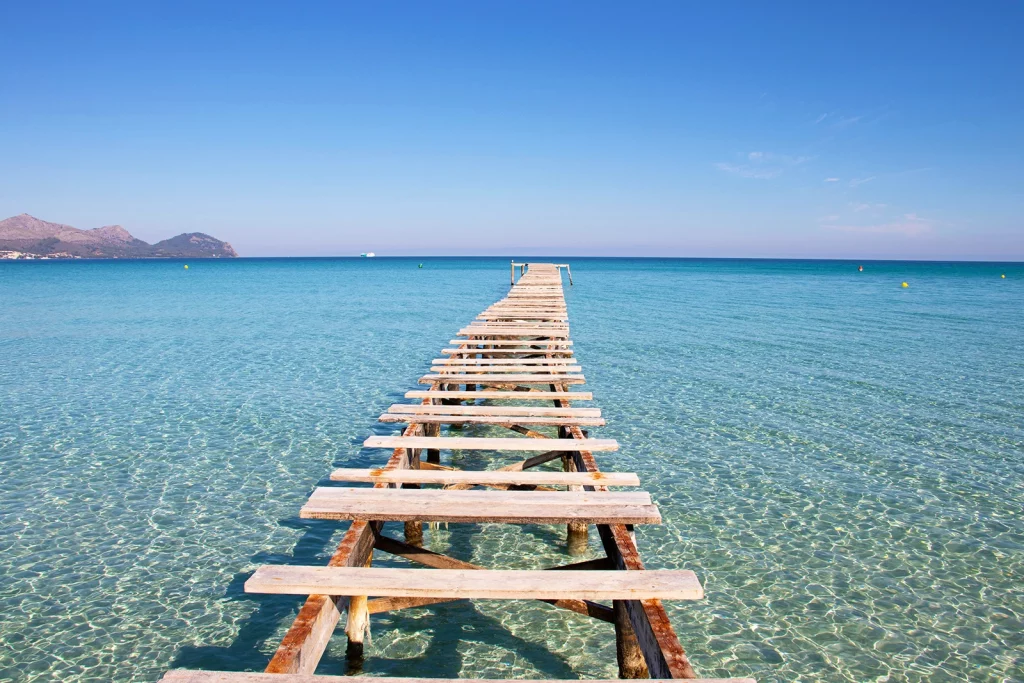
If your Mallorca holiday is built around children, swimming and simple beach days, Alcúdia and Playa de Muro are hard to beat.
Alcúdia gives you an old town, Roman history at Pollentia, restaurants and a more substantial sense of place. Port d’Alcúdia and Playa de Muro stretch the experience towards long sandy beaches, shallow water, hotels, family facilities and easy days that do not require strategic planning.
Playa de Muro is one of the best answers for families with younger children because the beach does so much of the work. The water is generally more forgiving than a rocky cove, the sand is generous, and there is enough infrastructure nearby to avoid the daily “where do we eat, where do we park, where is the toilet?” conversation.
This is the Mallorca of buckets, books, early dinners, bike rides, beach bags and children falling asleep before dessert. There is nothing wrong with that. In fact, when done well, it is one of the island’s great strengths.
It is less ideal for travellers who want boutique glamour, mountain silence or an old-town-only stay. Choose it for ease, not mystique.
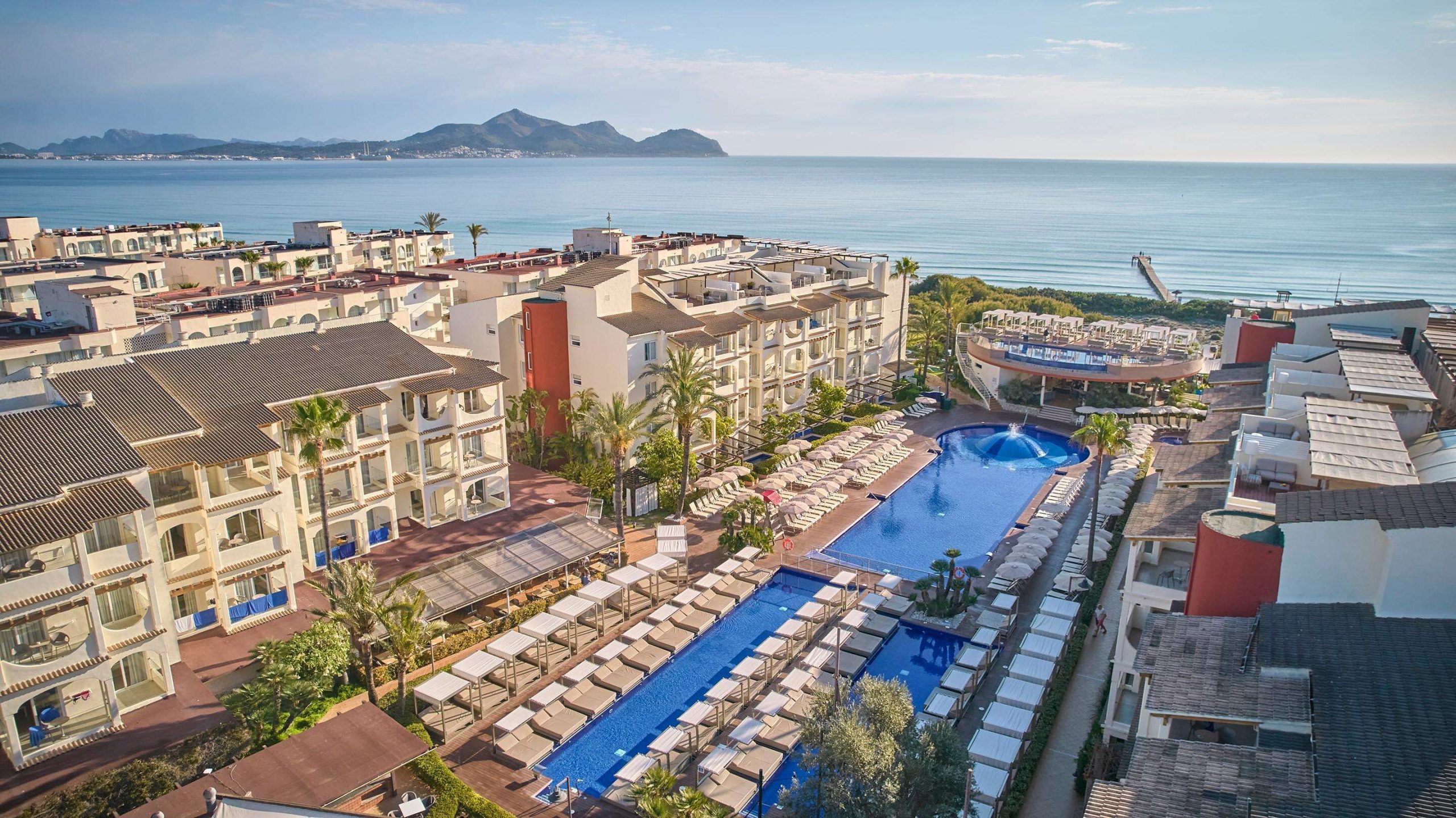
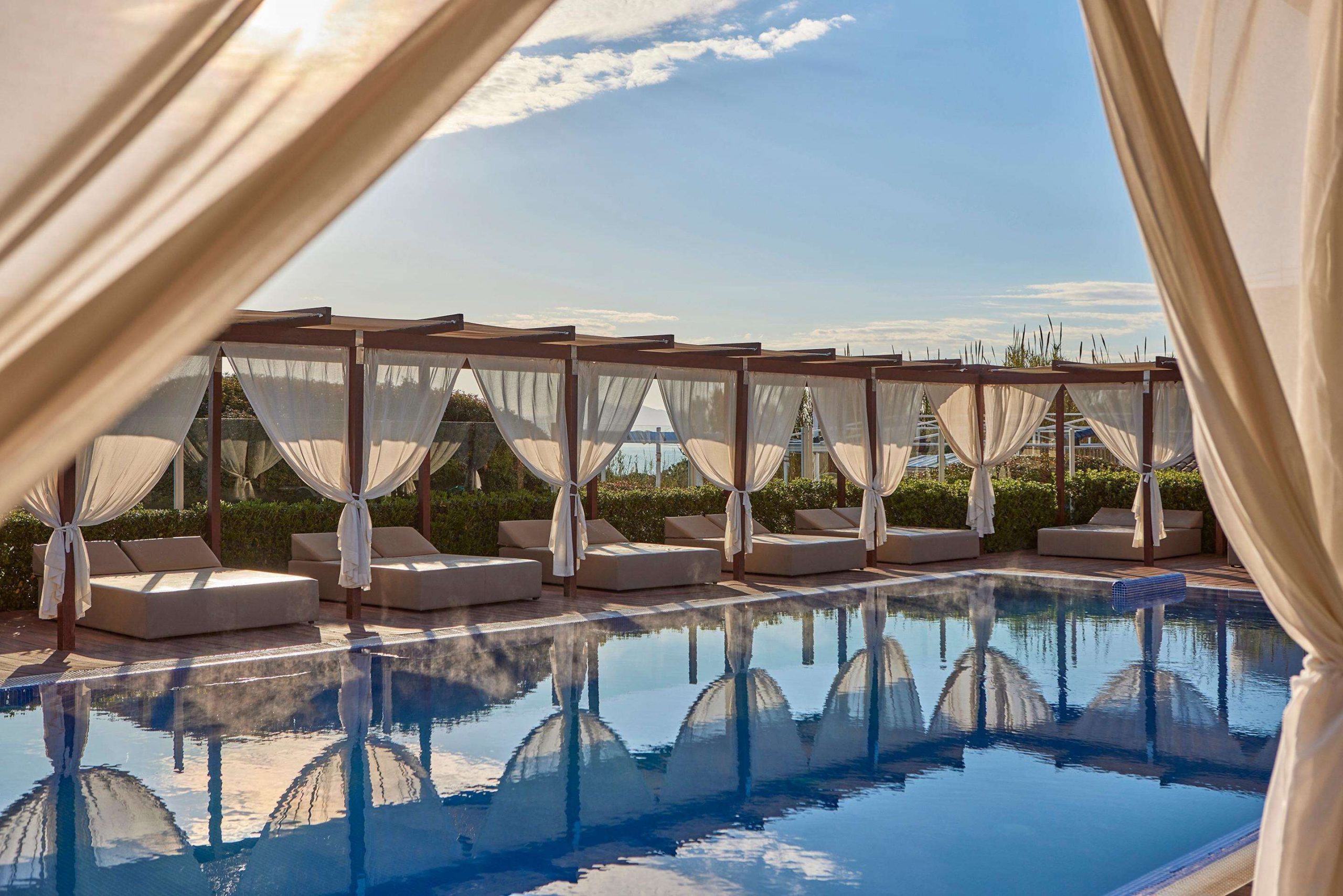
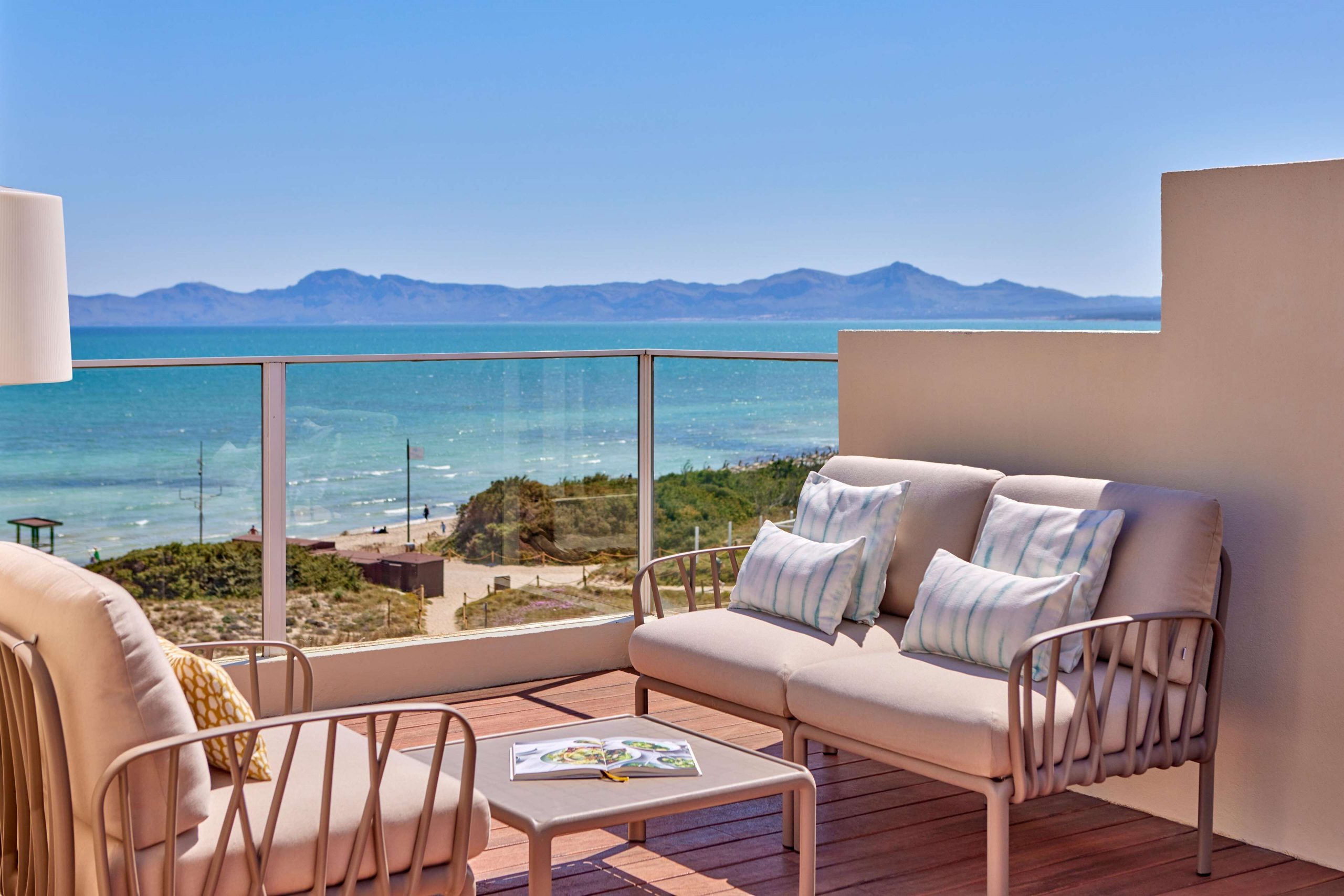
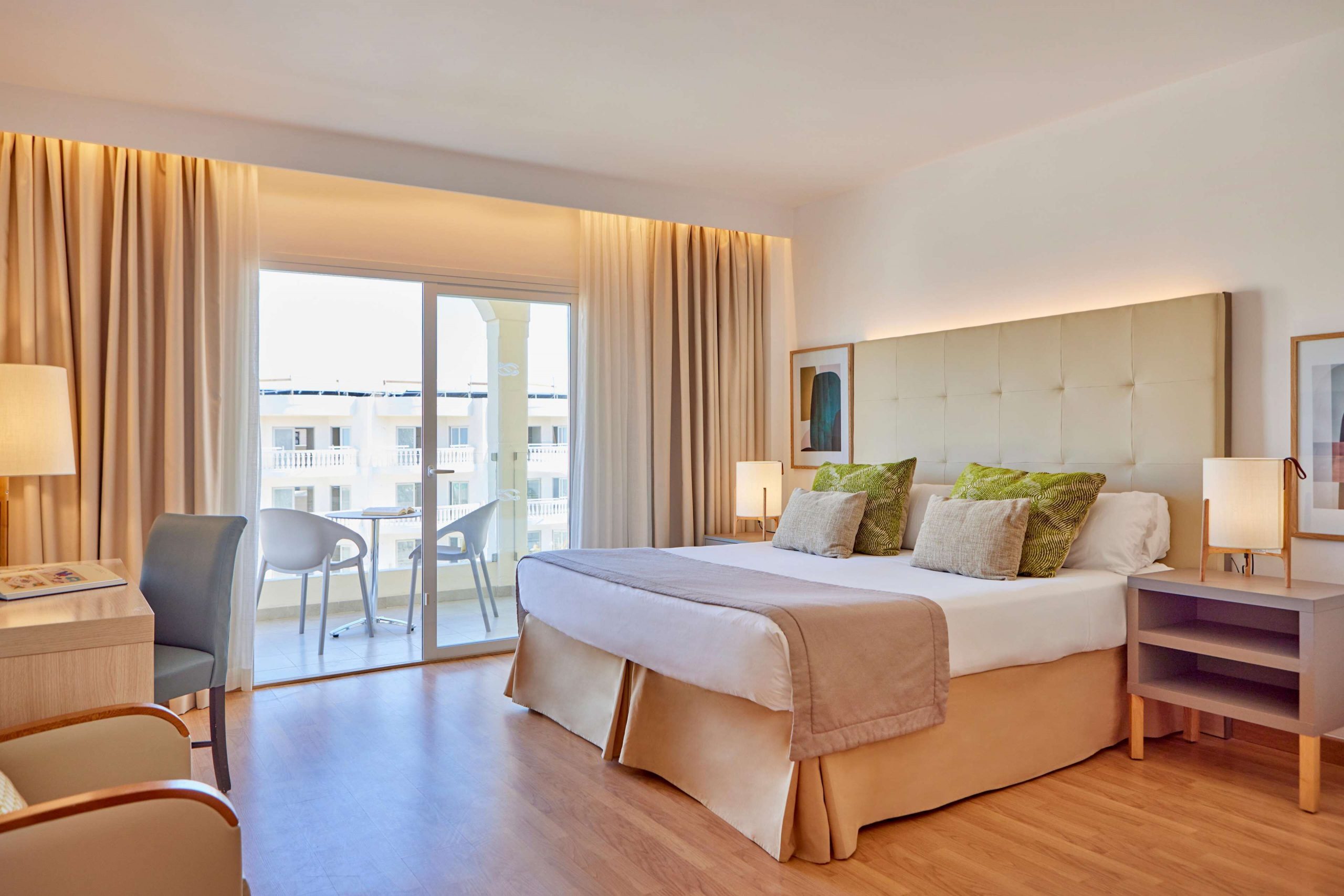
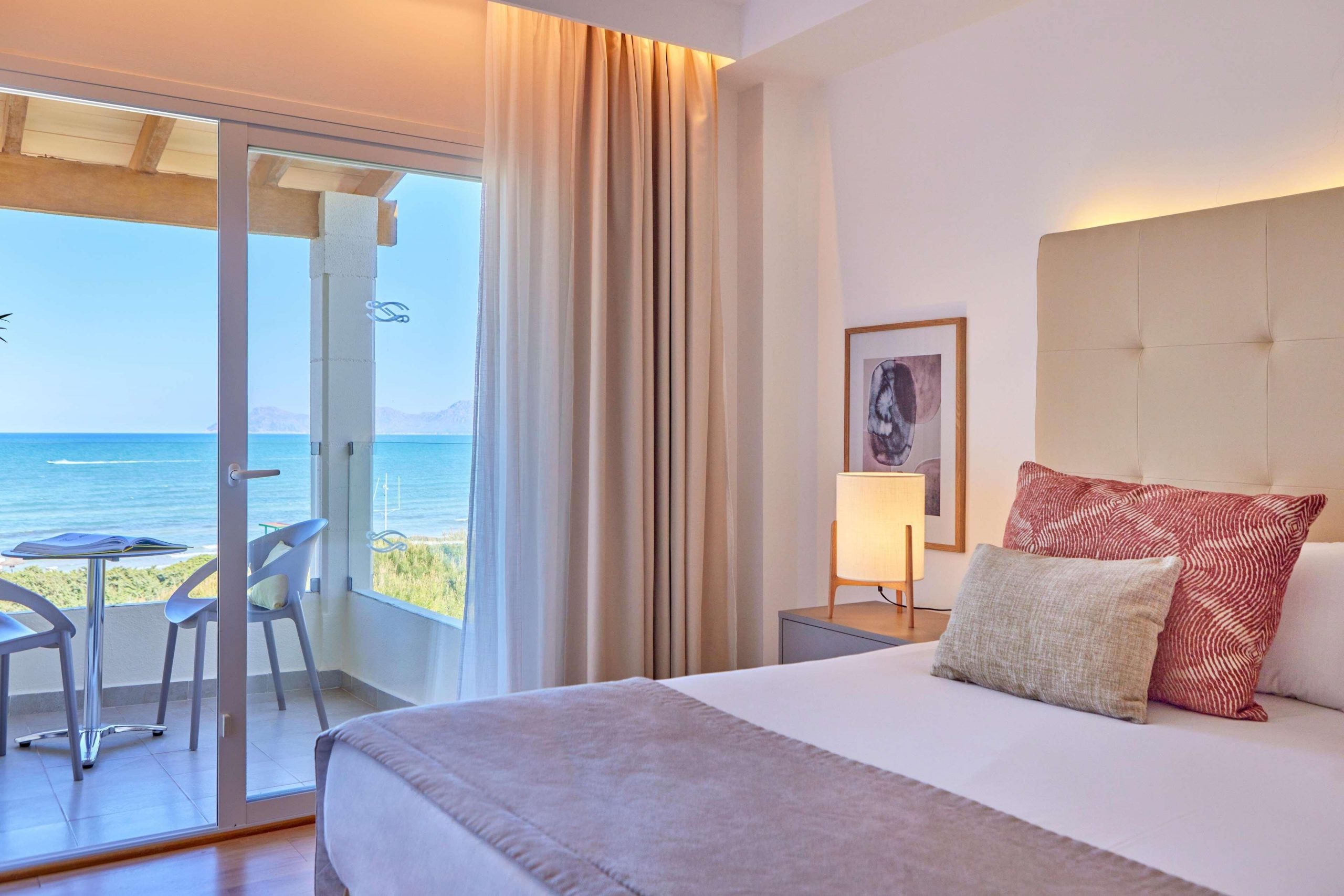
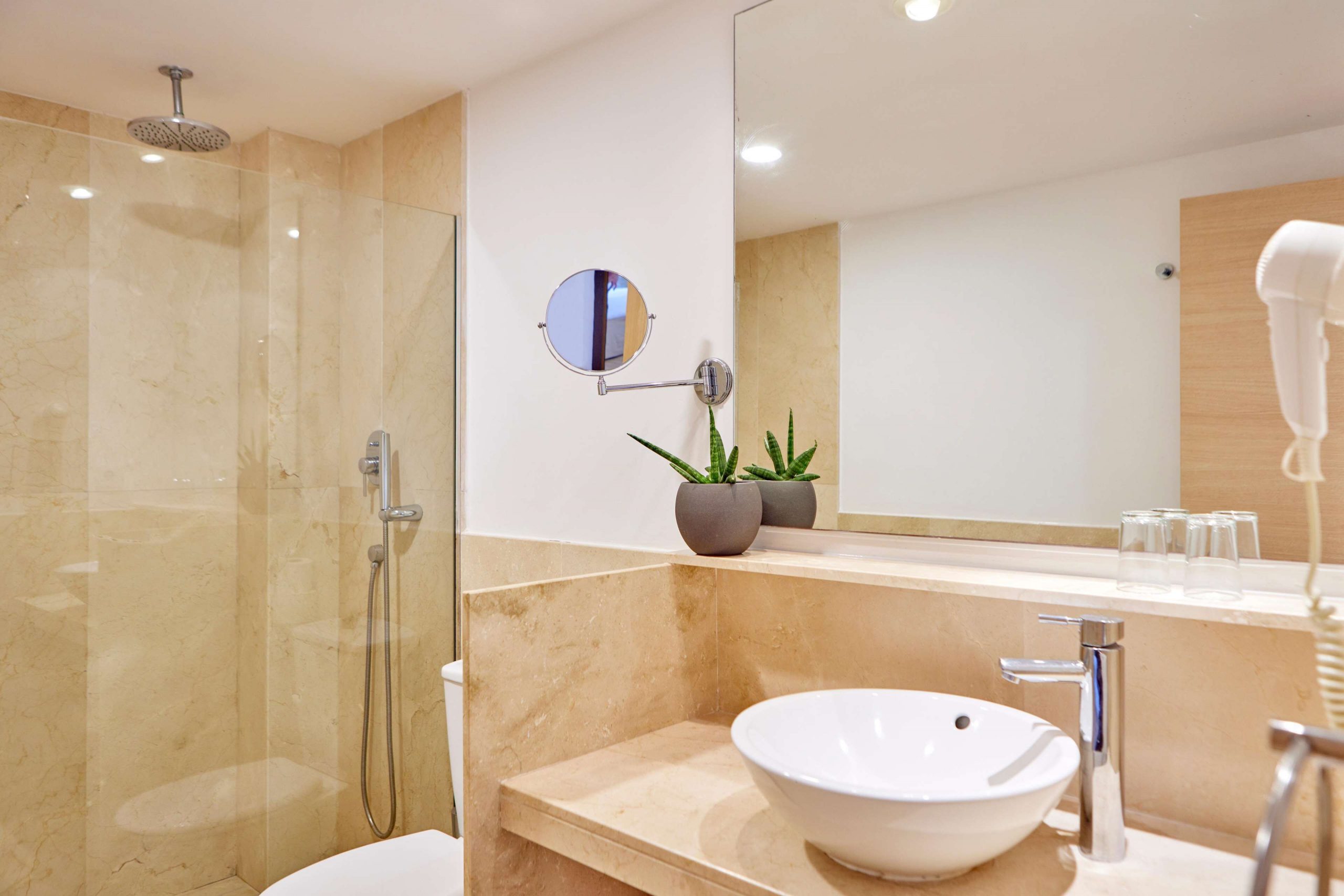
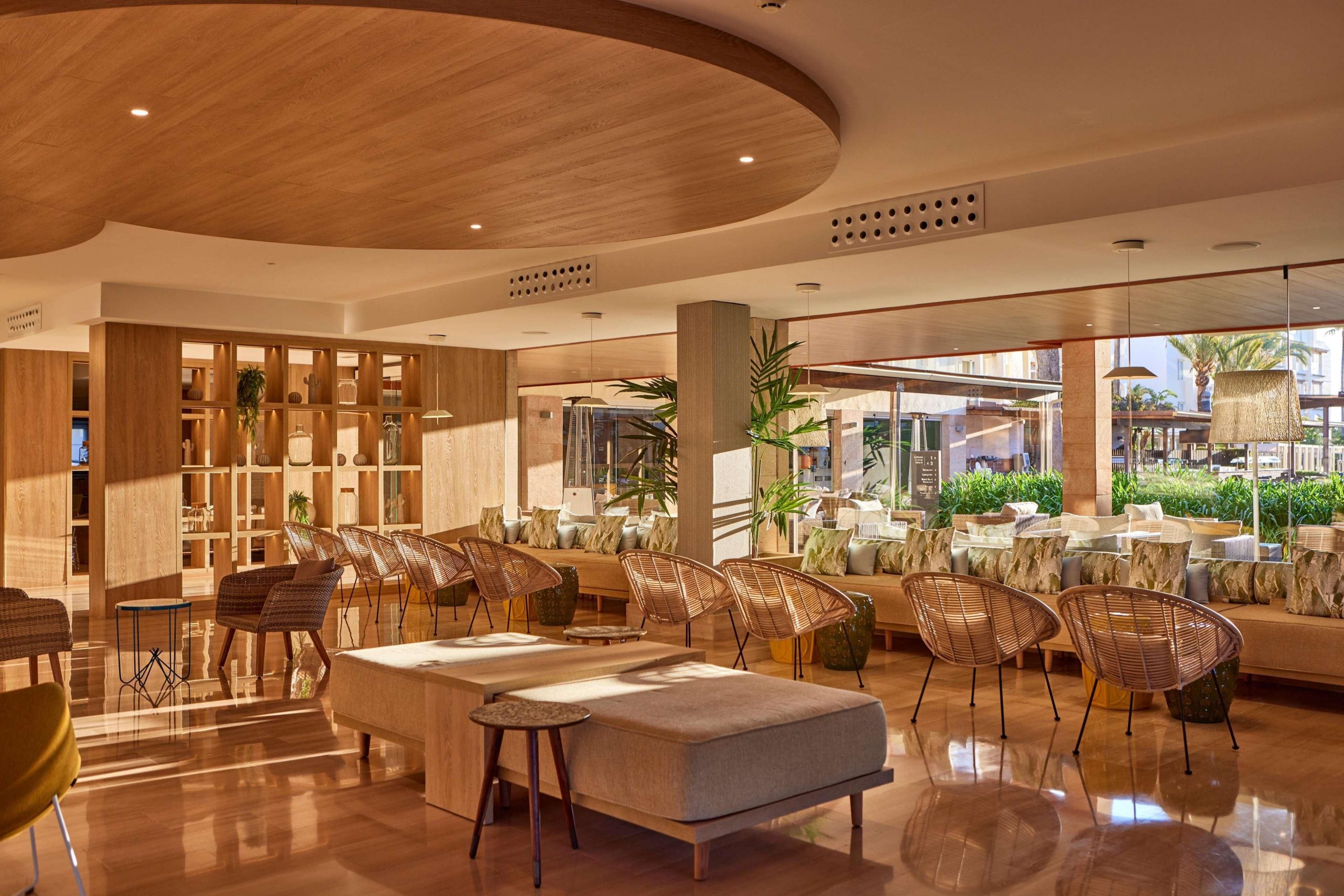
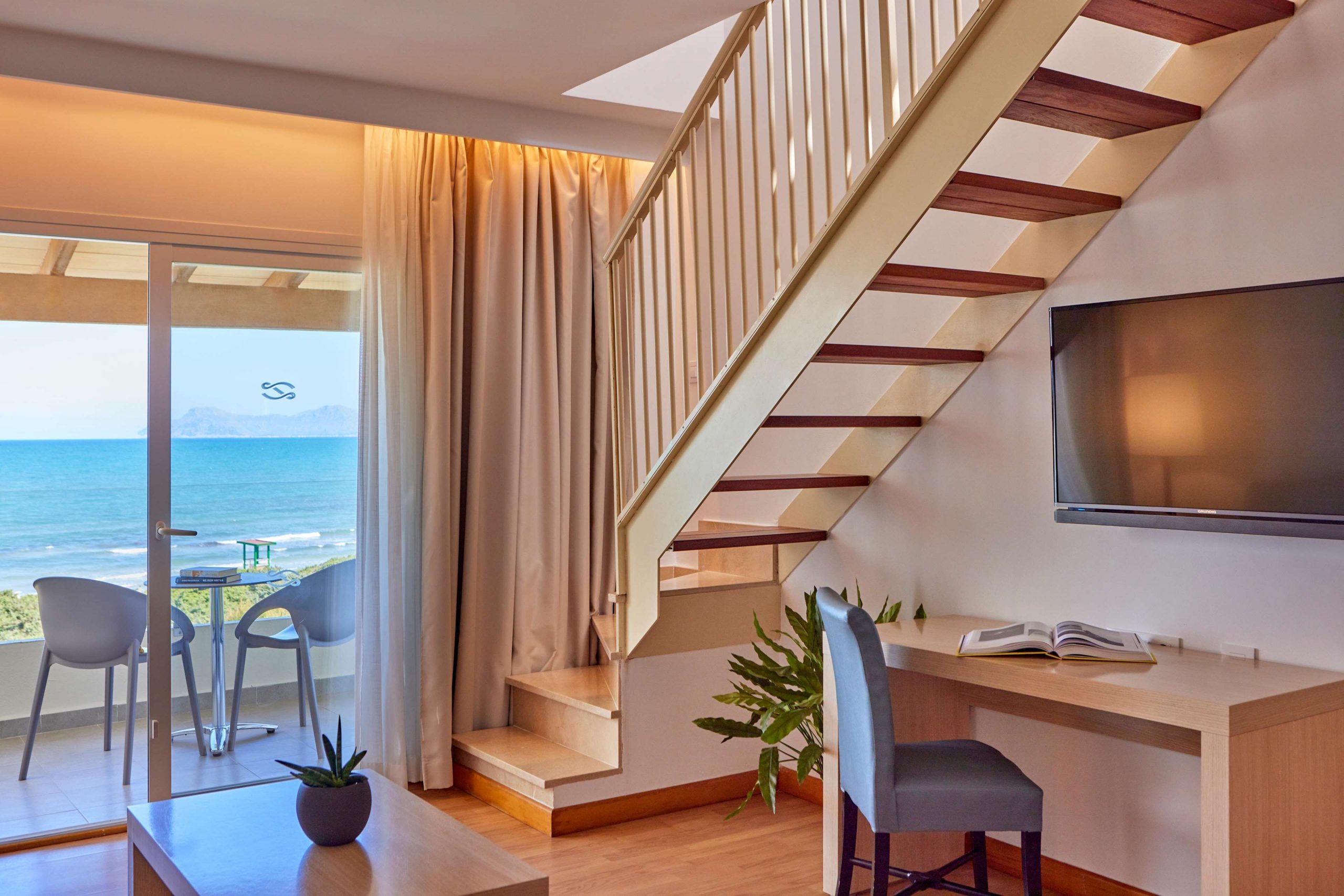
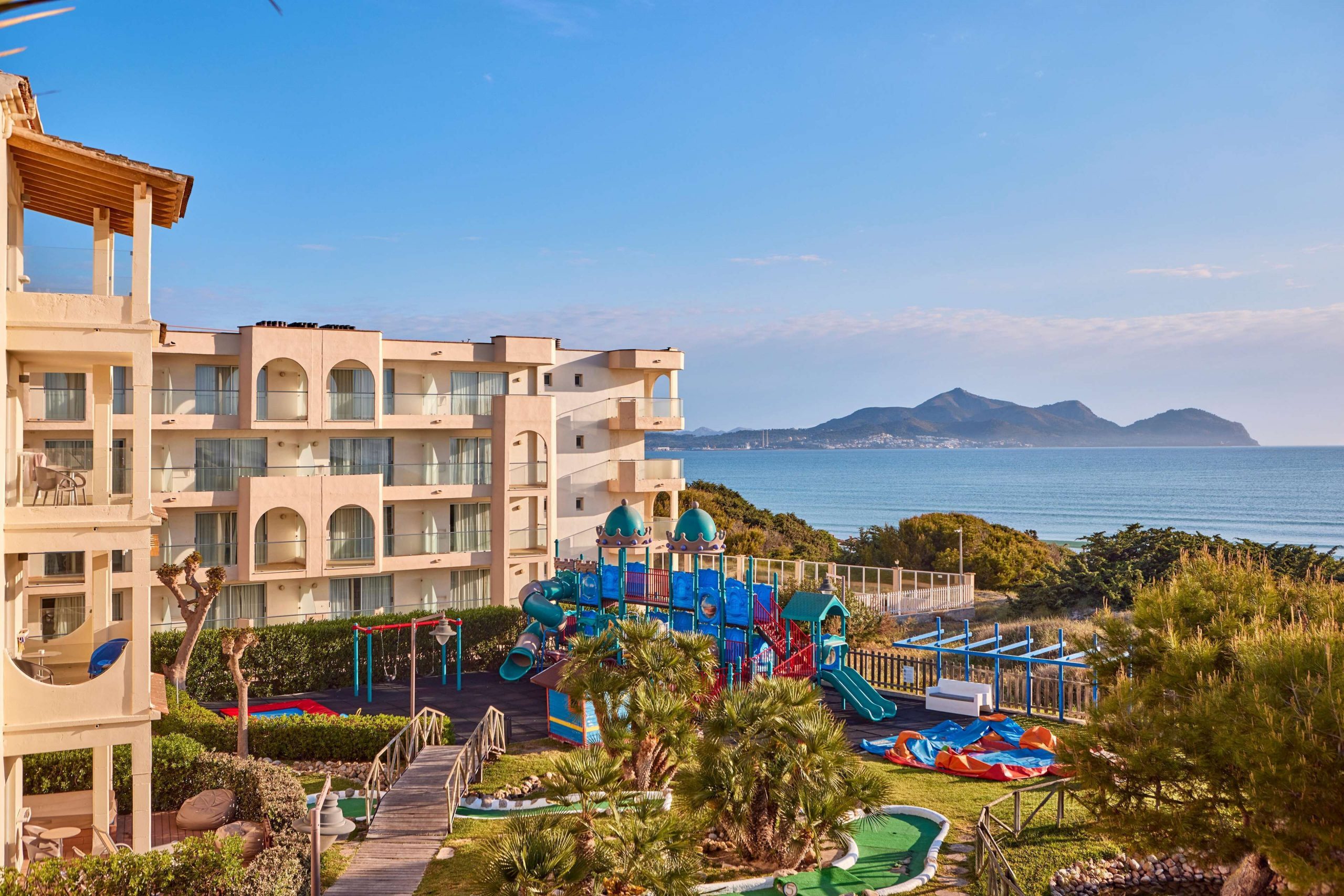
For families who want Playa de Muro to do most of the work, Zafiro Bahía is a very natural fit: an apartment-style beach resort on the north coast, with family suites, pools, spa facilities and the kind of self-contained setup that makes sandy, beach-first days feel easy rather than over-planned.
Cala d’Or, Cala Figuera and the south-east: best for coves and a softer resort mood
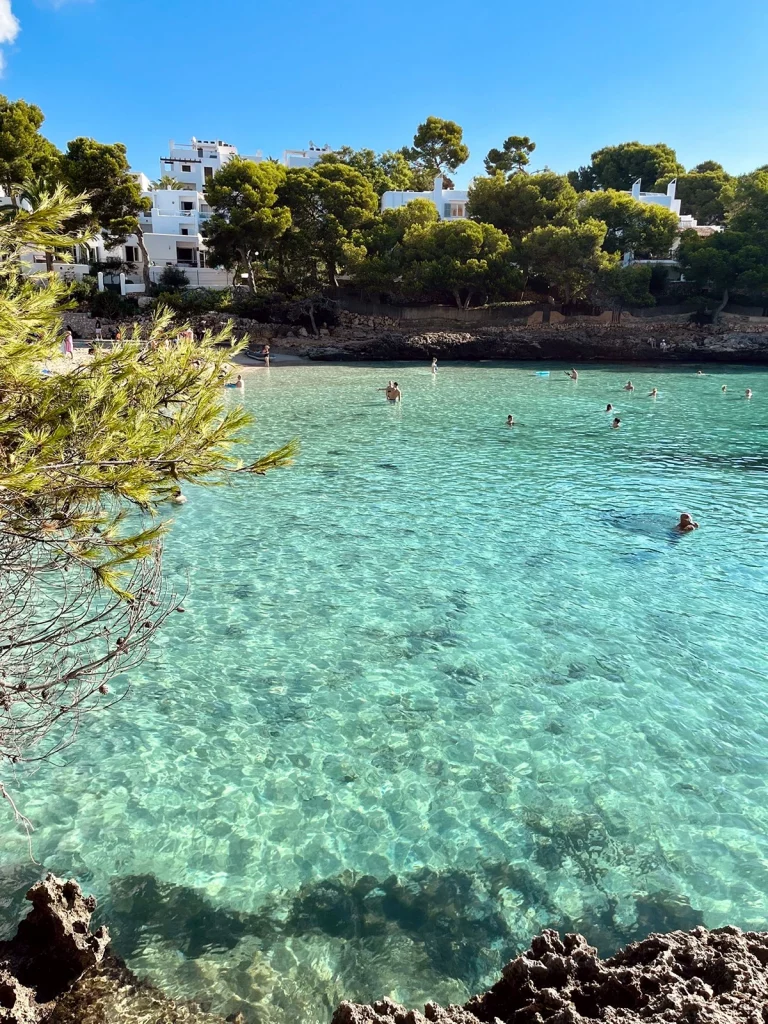
The south-east is where Mallorca starts to feel more cove-led.
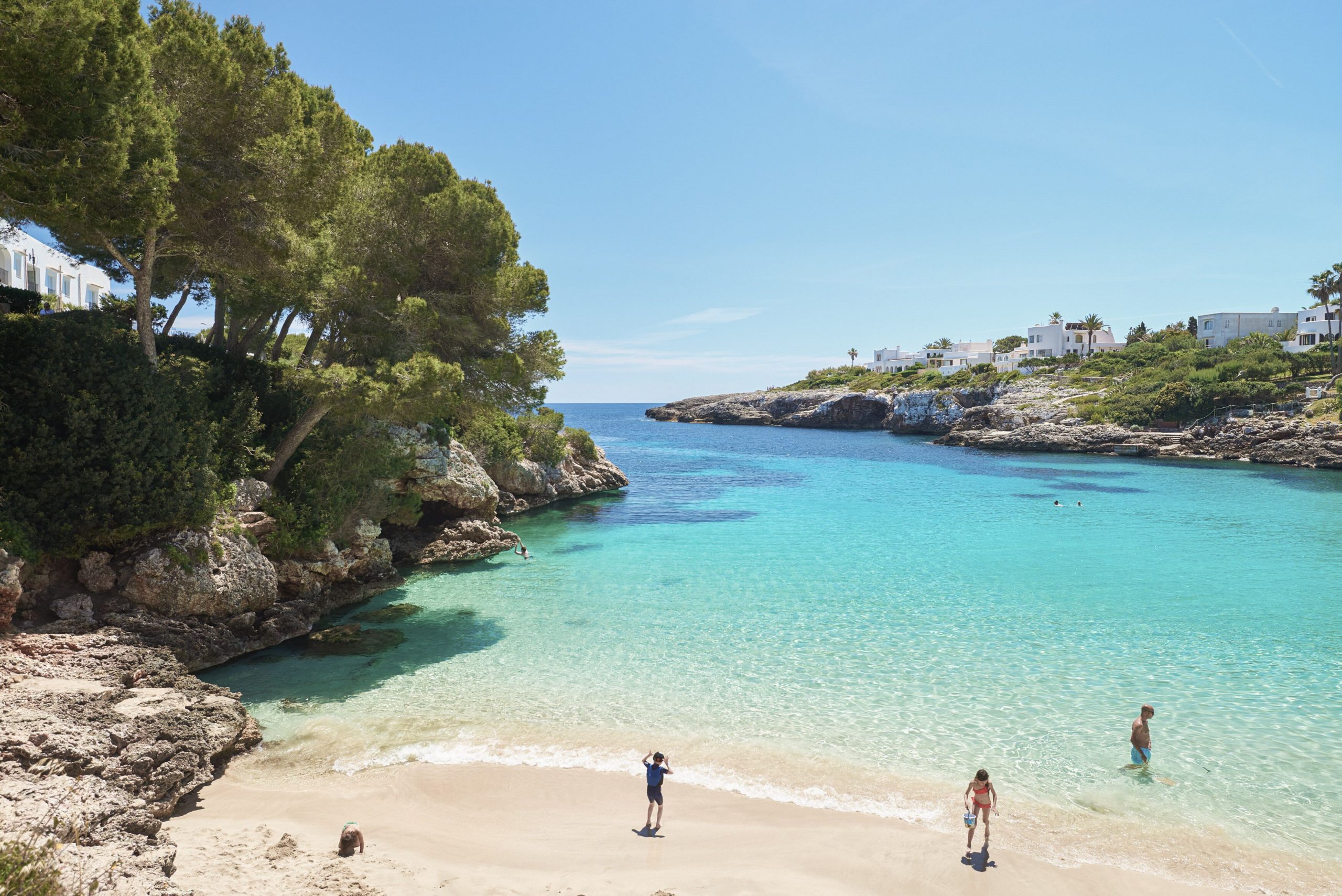
Cala d’Or is the most developed and resort-ready of this cluster, with whitewashed architecture, marina energy, beaches, restaurants and a family-friendly rhythm. It works well if you want a holiday that feels prettier than a large resort strip but easier than a remote finca.
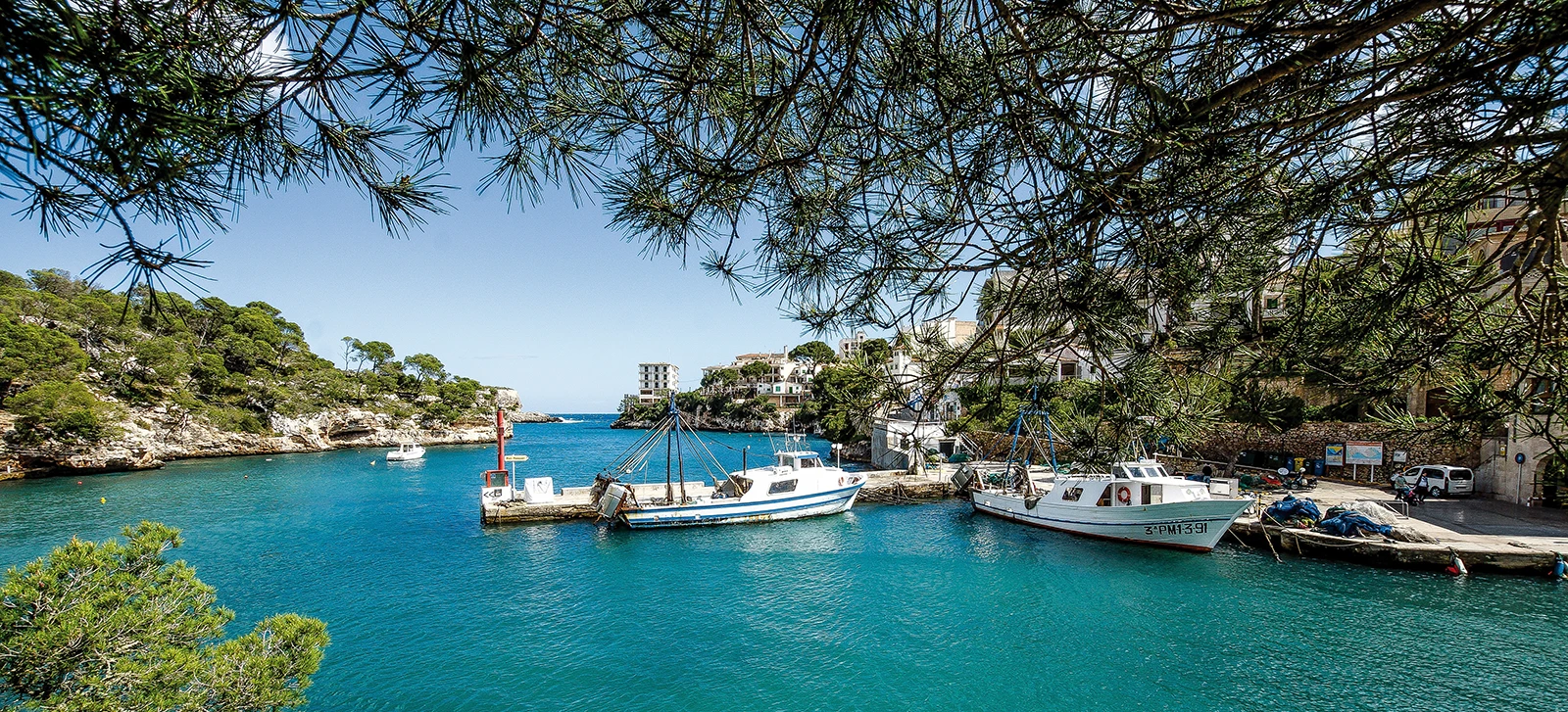
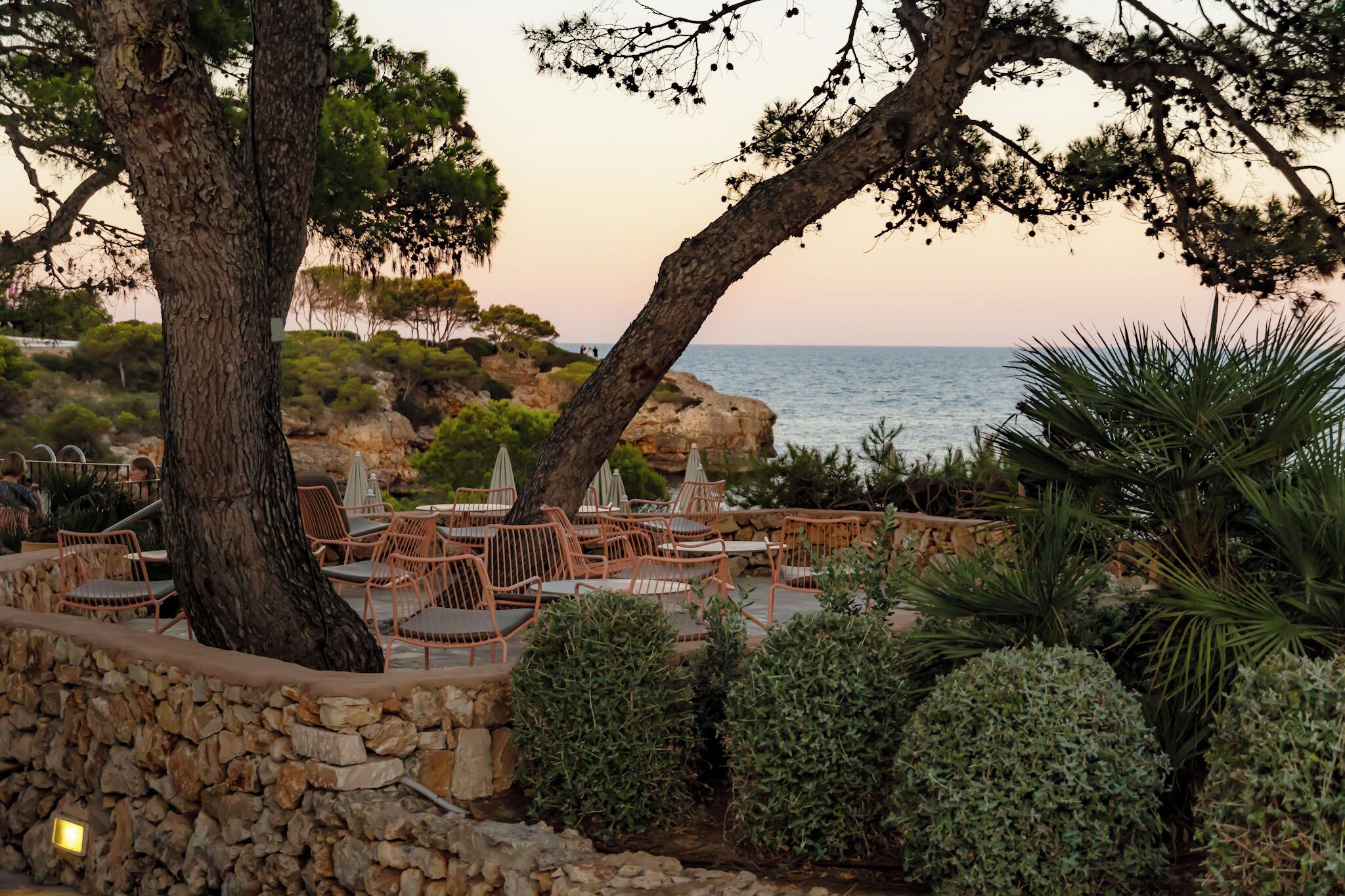
Cala Figuera is different: more harbour than resort, more fishing boats than beach loungers. It is one of the most photogenic corners of the south-east, with rocky inlets, boathouses, green shutters and water that catches the light beautifully. It is not the most practical base for everyone, but it gives this part of Mallorca a stronger identity.
Mondragó Natural Park and nearby coves add the nature-and-swim appeal, while Santanyí brings market-town texture inland. This region can work very well for couples, families who prefer smaller-scale resorts, and travellers who like driving between coves rather than staying on one long beach all week.
The trade-off is that you are further from Palma, the Tramuntana and the north. For a first trip where you want to see everything, the south-east may feel slightly out on a limb. For a second trip, it can be exactly the right move.
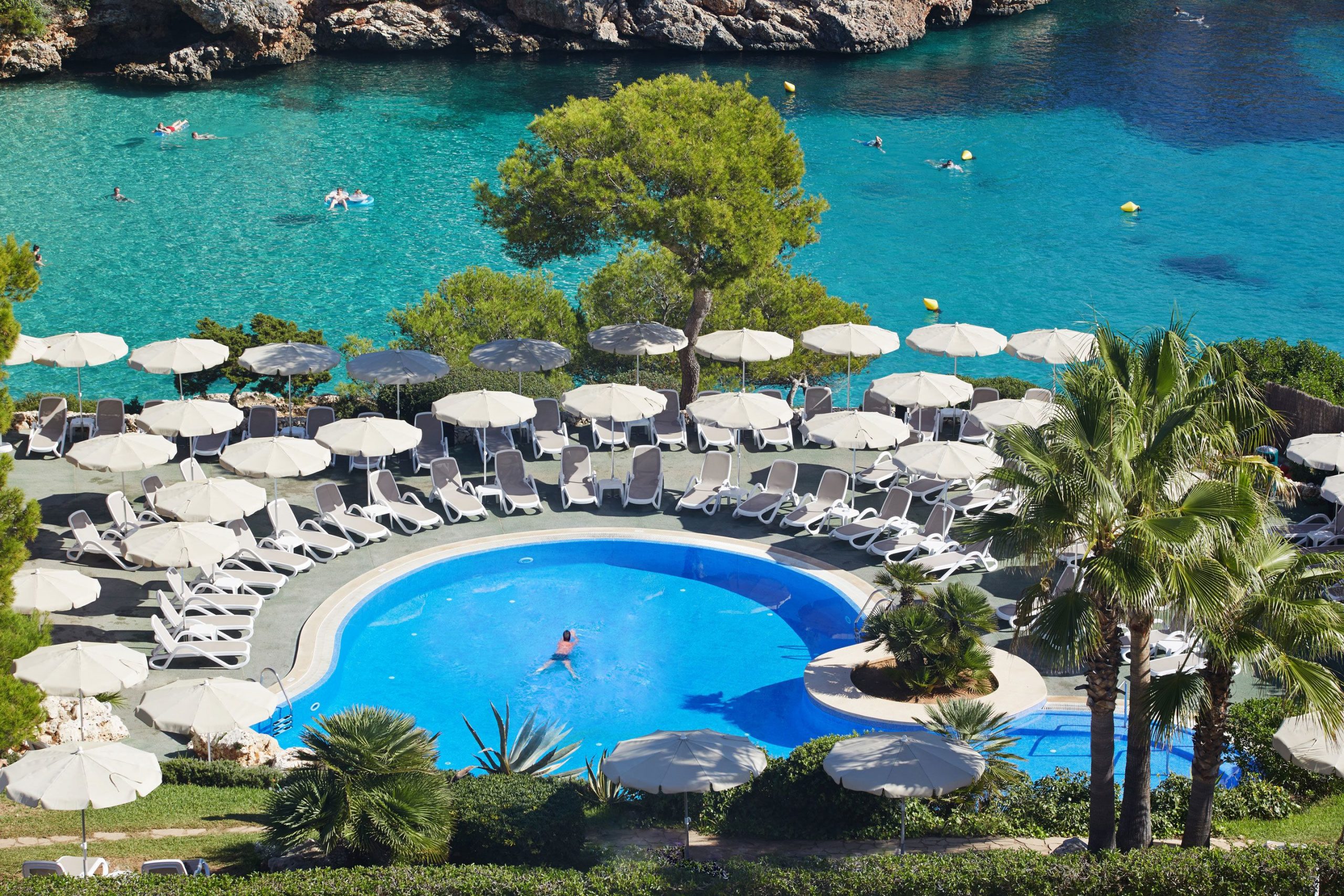
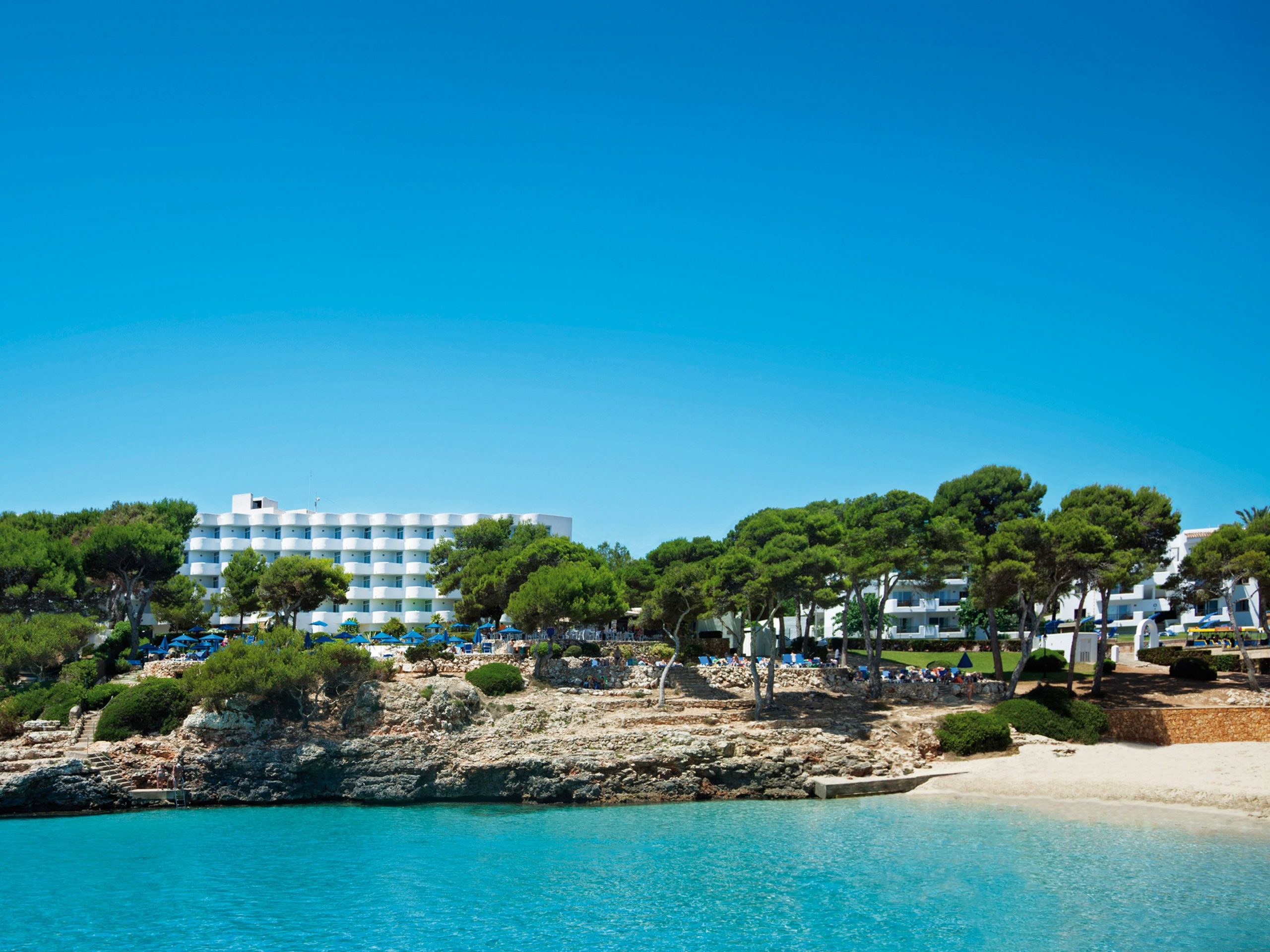
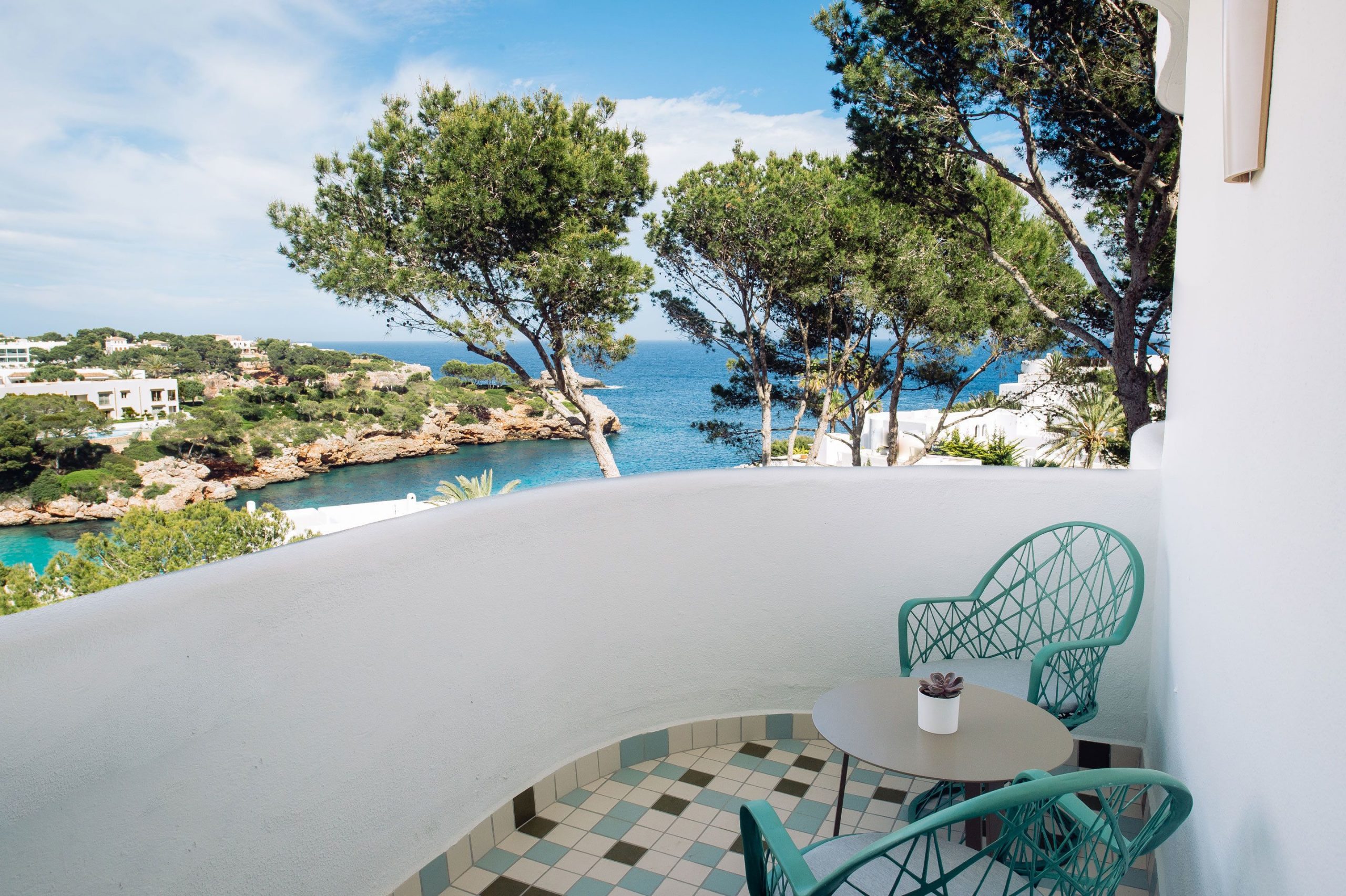
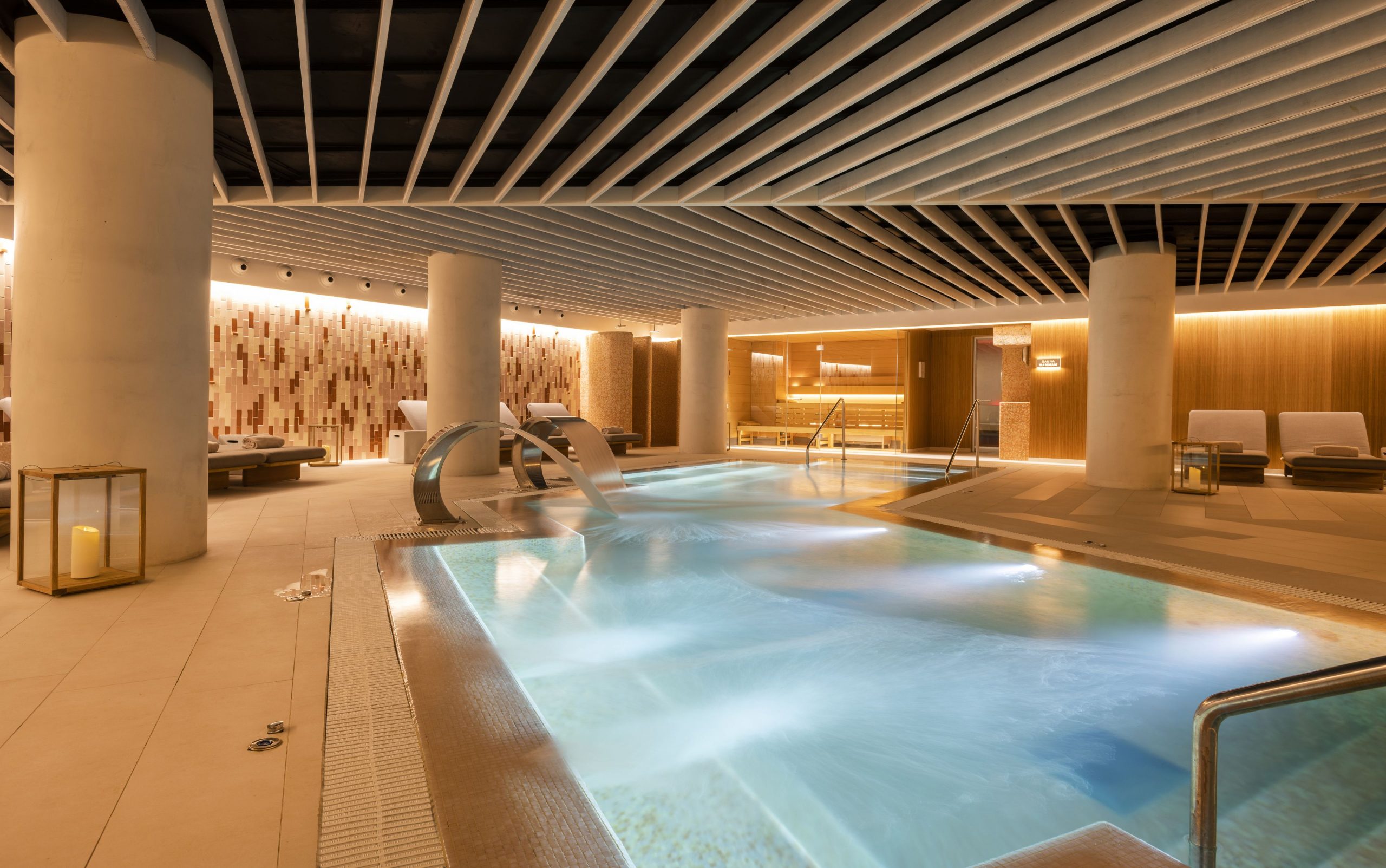
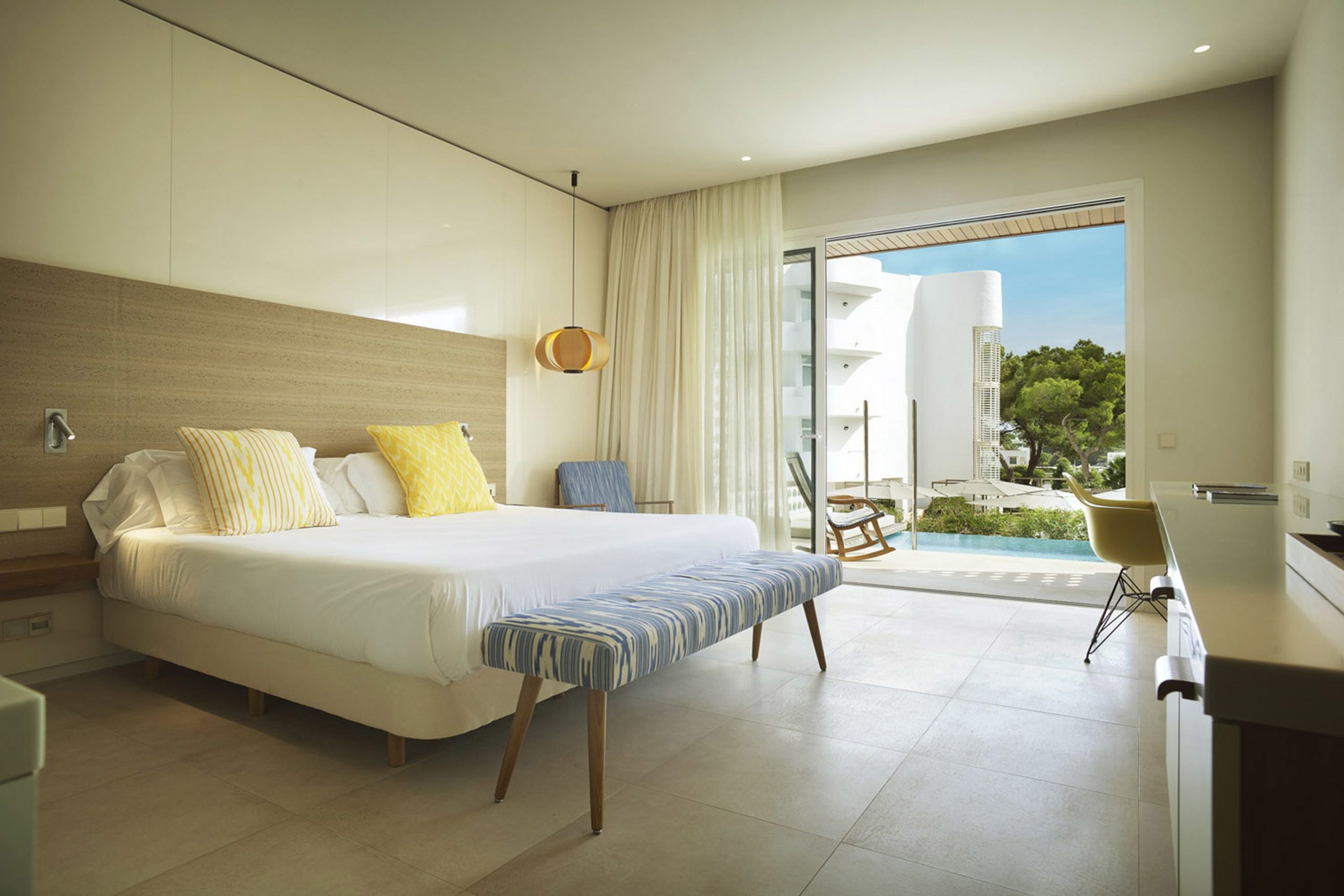
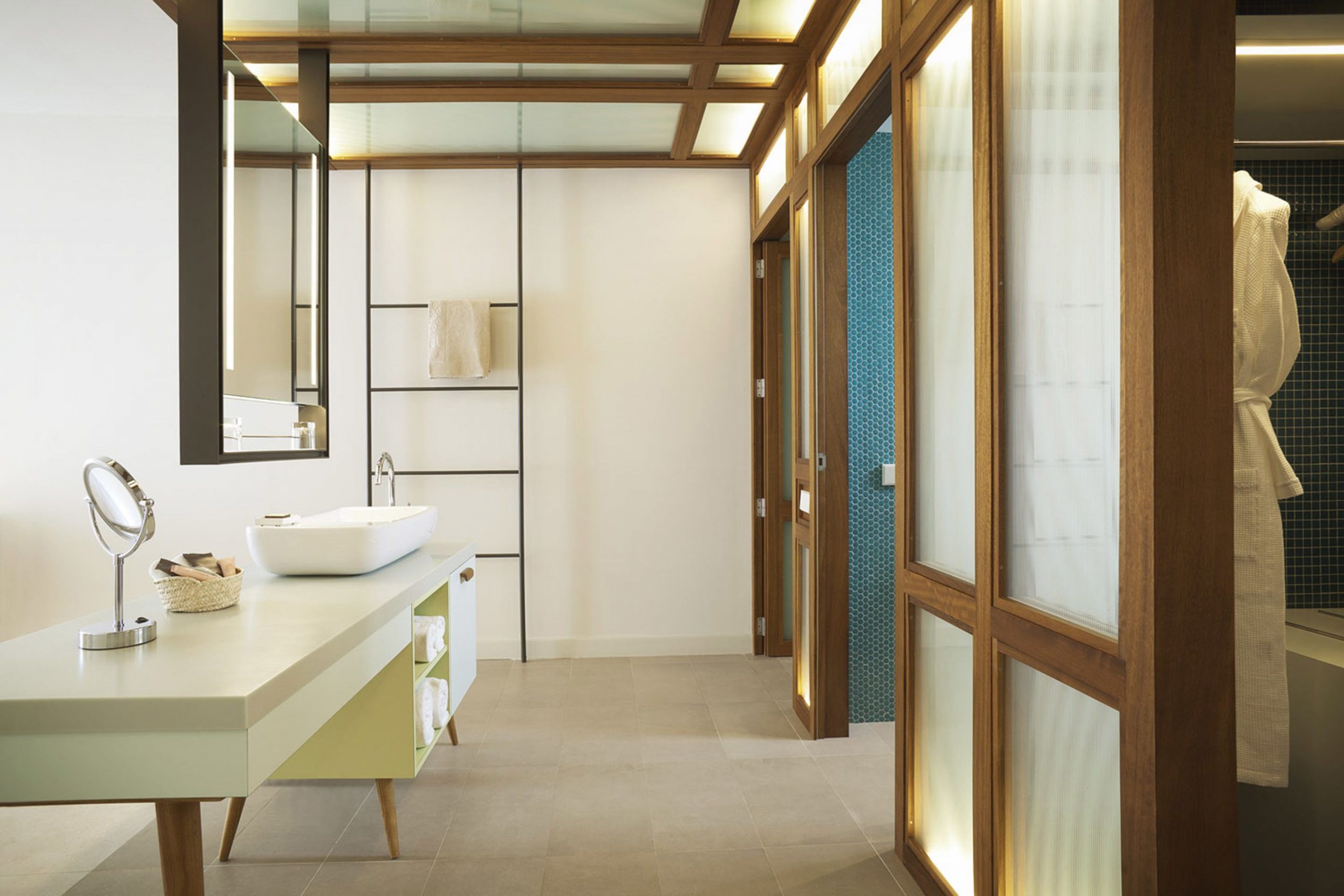
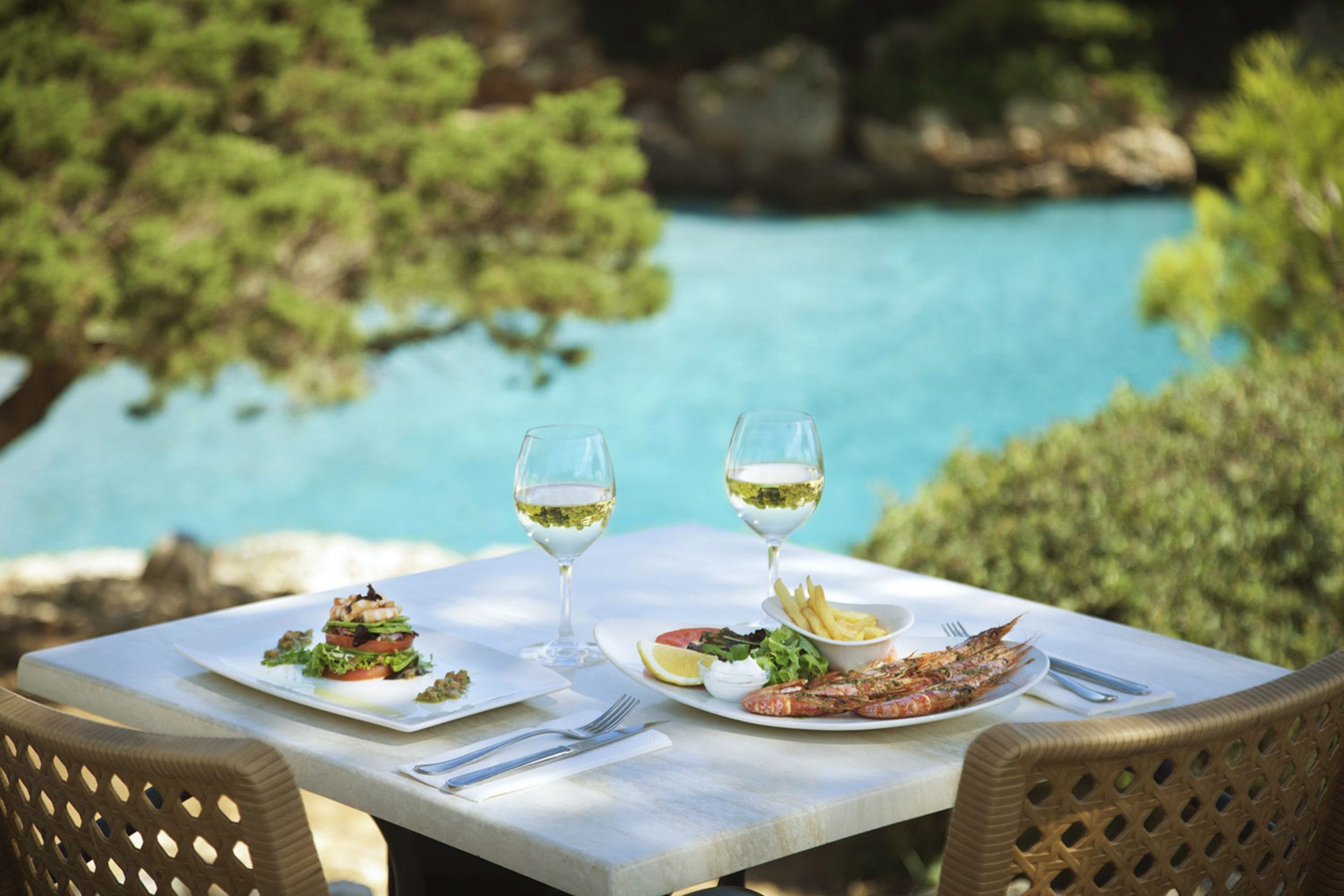
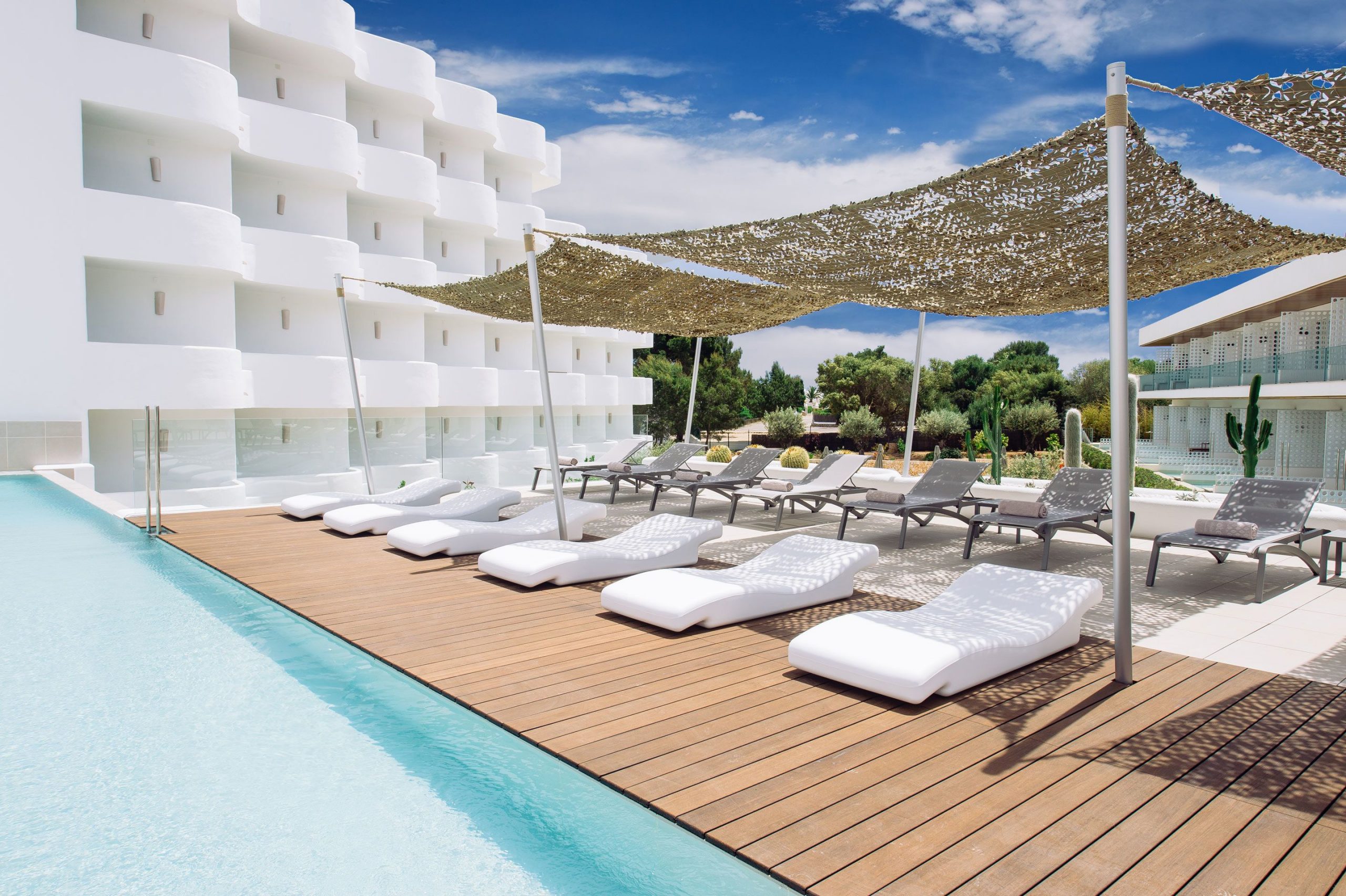
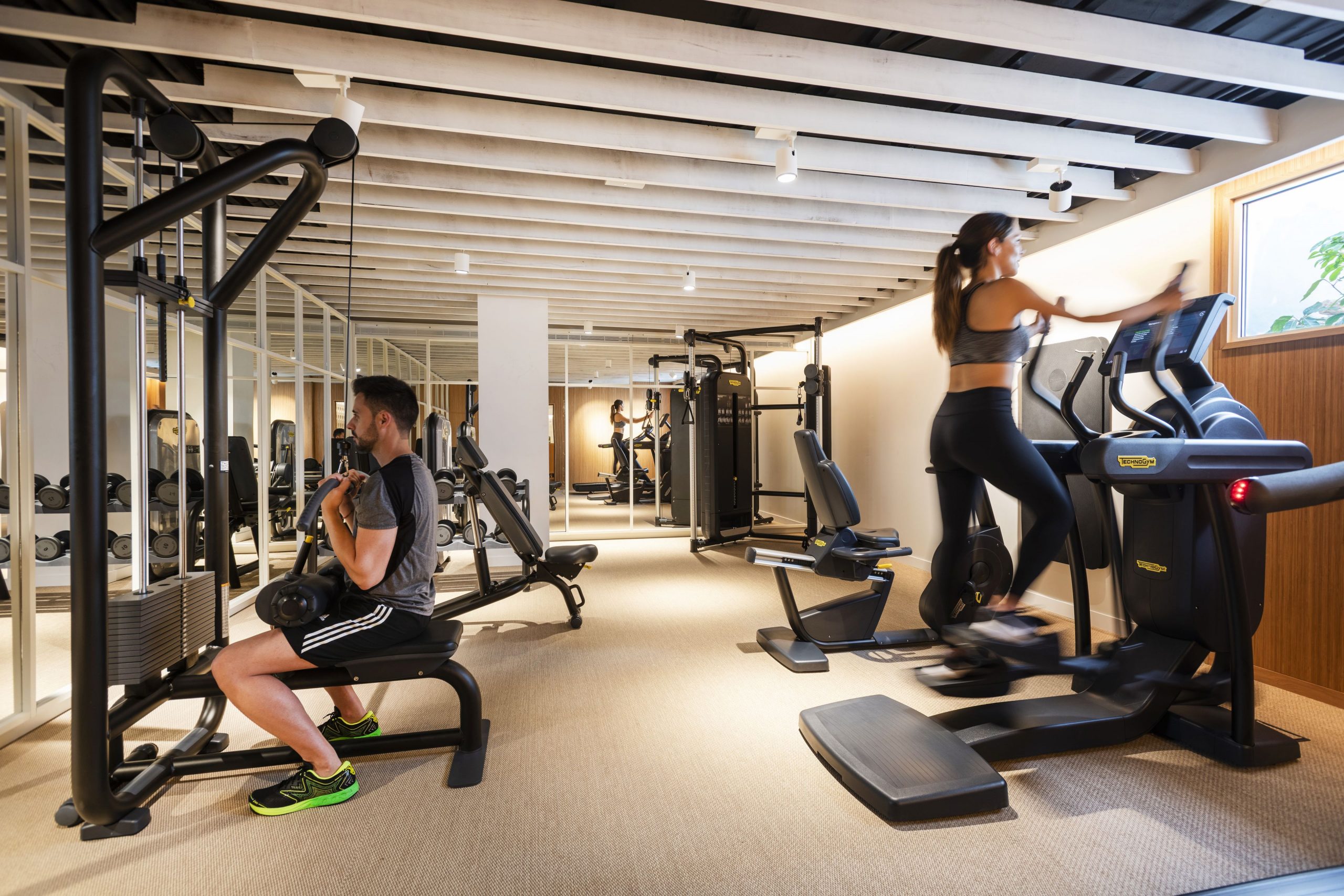
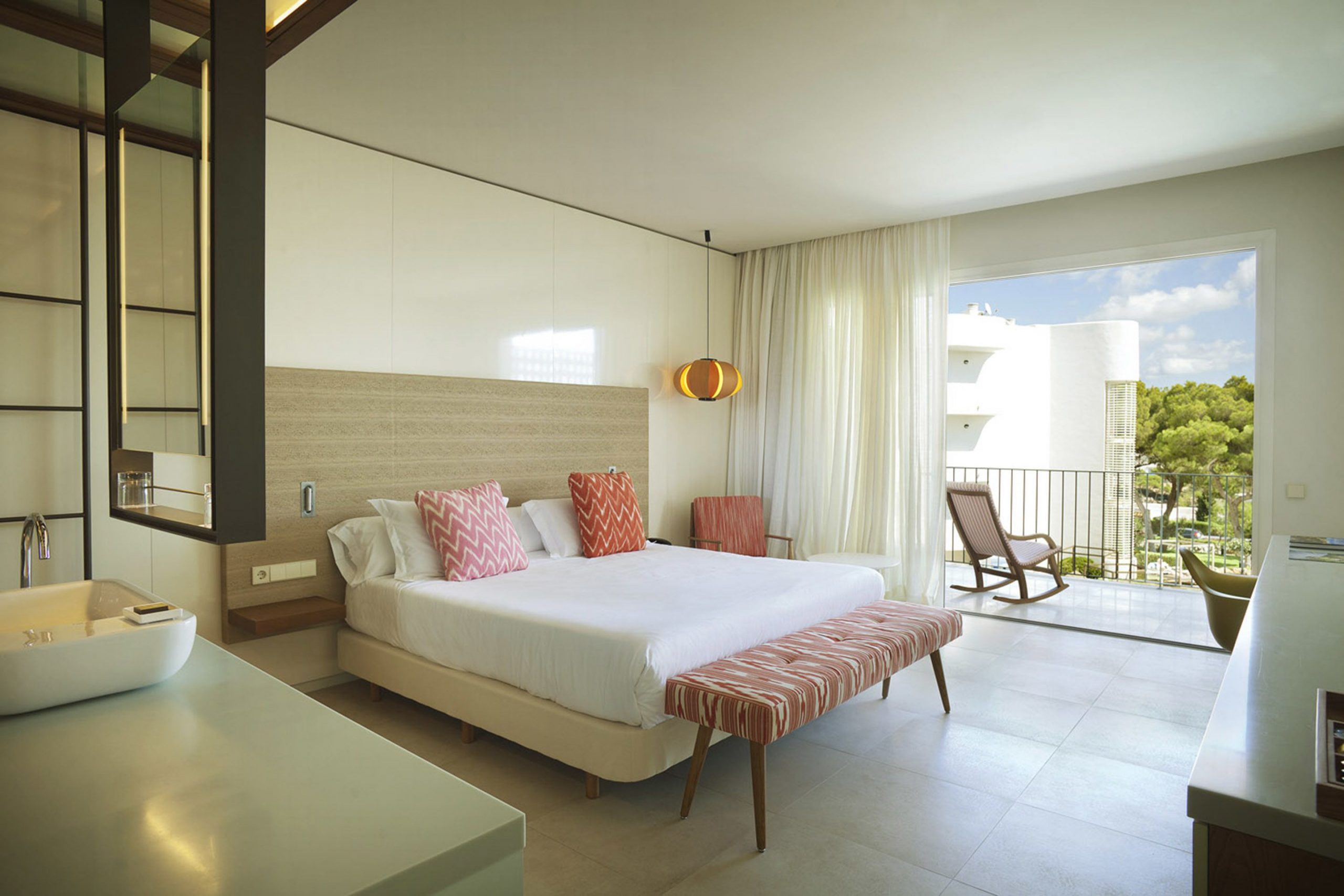
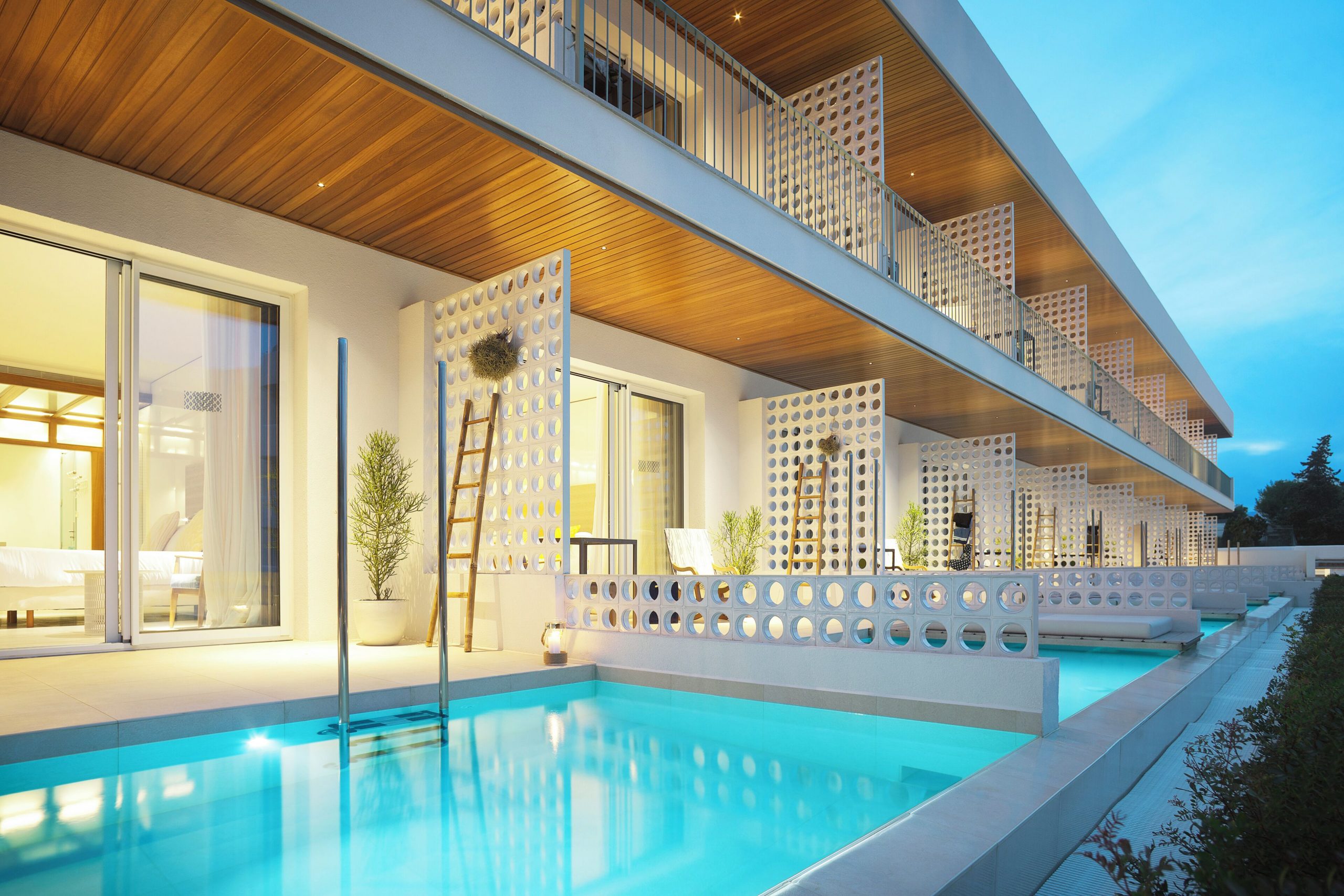
For the south-east, Inturotel Cala Esmeralda Beach Hotel & Spa is the grown-up Cala d’Or option: adults-only, close to the water and polished enough for couples who want coves, spa time and easy seaside days without turning the trip into a full luxury-hotel production.
Artà and the north-east: best for repeat visitors and quieter old Mallorca
Artà is not usually the first place I would send a Mallorca newcomer, but it deserves a place in the conversation.
This is a more grounded, less over-performed side of the island: sandstone streets, a sanctuary, traditional rhythm, nearby beaches, caves, markets and access to the north-east without the same sense of being on the main tourist circuit. It works best for repeat visitors, villa travellers, slow-road explorers and people who prefer local atmosphere over obvious glamour.
The north-east is also useful if you want beaches and countryside without choosing the biggest resort zones. But it needs more planning. You will want a car, and you should be honest about distances.
Do not choose Artà if you want Palma energy, yacht polish or the most convenient beach holiday. Choose it if you want Mallorca to feel more lived-in.
Where to stay in Mallorca without a car
Palma is the clear winner if you do not want a car.
You can base yourself in the old town, Santa Catalina, La Llotja or Portixol and use walking, taxis, buses and selective day trips. It gives you the least friction and the most independence.
Port de Sóller can also work without a car if you are happy to keep the trip fairly local and use the tram, buses, taxis or organised excursions. Port de Pollença and Alcúdia can work for a beach-led stay, especially if you are not trying to tour the whole island. Calvià resort areas are increasingly practical for airport connections and simple beach holidays, though you will still be more limited than in Palma.
The places where a car becomes much more useful are Deià, Valldemossa, rural fincas, Artà, inland villages and many south-east cove itineraries. You do not necessarily need a car every day, but you do need a plan.
My rule: do not hire a car out of habit. Hire one because your chosen Mallorca actually needs it.
Best areas by traveller type
For first-timers, choose Palma, Sóller or Port de Pollença. Palma gives you culture and ease. Sóller gives you scenery and character. Port de Pollença gives you the north without making the trip complicated.
For couples, choose Deià, Valldemossa, Sóller, Palma old town or the Portals/Illetes/Bendinat belt depending on whether you want romance, city style or polished beach luxury.
For families, choose Playa de Muro, Port d’Alcúdia, Port de Pollença, Palmanova or Santa Ponsa. These places understand logistics, which matters far more than a dreamy caption when everyone is hot and hungry.
For luxury travellers, choose Palma old town, Illetes, Bendinat, Portals Nous, Port d’Andratx or a strong Tramuntana hotel. Mallorca’s best luxury is not always the loudest; sometimes it is a quiet courtyard, a mountain view or the hotel that makes everything feel effortless.
For walkers and cyclists, choose Sóller, Pollença, Port de Pollença, Valldemossa or Deià. The Serra de Tramuntana is the island’s great outdoor stage, but the north also gives you superb variety.
For nightlife, choose Magaluf only if nightlife is genuinely the point. Otherwise, Palma gives you better food, bars and evenings without handing the whole holiday over to the party machine.
For a second or third Mallorca trip, look at Cala Figuera, Santanyí, Artà, Fornalutx, Alaró or a rural finca. That is where the island starts to loosen its obvious answers.
What to know before you book
Mallorca is still one of the great Mediterranean islands, but it is no longer a place to approach carelessly.
The Balearics have seen real tension around overtourism, housing pressure, illegal rentals, traffic, party behaviour and fragile beauty spots overwhelmed by social media. That does not mean you should avoid Mallorca. It means you should choose your base intelligently and travel with a little grace.
Avoid peak August if you can. June and September are often far better for style, space and sanity. May and October can be excellent for Palma, walking, cycling, villages and softer beach days. Winter works best for Palma, food, culture and local rhythm rather than guaranteed swim weather.
Check access rules before driving to pressure points such as Formentor or into tightly managed historic centres. Use official transport where it makes sense. Book legal accommodation. Be careful with small coves, narrow village streets and places where residents are clearly trying to live a normal life around the visitor economy.
The Sustainable Tourism Tax is part of staying in the Balearic Islands, so factor it in rather than treating it as a surprise. It is one of those unglamorous details that belongs to modern travel in the Baleares.
And above all, do not try to turn Mallorca into a checklist. The island is too layered for that.
Where to stay in Mallorca: quick answers
What is the best area to stay in Mallorca?
The best area to stay in Mallorca depends on the trip you want. Palma is best for first-timers, food, culture and no-car city breaks. Sóller and Port de Sóller are the best all-round choice for scenery, restaurants, harbour life and Tramuntana atmosphere. Pollença, Port de Pollença, Alcúdia and Playa de Muro are best for families and beach-first holidays. Deià and Valldemossa are best for romance, mountain views and old Mediterranean mood. Cala d’Or, Cala Figuera and the south-east are best for coves and a softer resort rhythm.
Which side of Mallorca is best?
The west and north-west of Mallorca are best for scenery, romance, mountain villages and the Serra de Tramuntana. The north is best for families, cycling, walking and long sandy beaches. The south-west is best for Palma access, marinas, polished hotels and beach-club energy. The south-east is best for coves, Santanyí, Cala d’Or, Cala Figuera and a quieter island mood. There is no single best side of Mallorca; there is only the side that fits the holiday you want.
Where should first-timers stay in Mallorca?
First-timers should usually choose Palma, Sóller, Port de Sóller, Port de Pollença or Alcúdia. Palma is easiest without a car and gives you restaurants, culture, shopping and the old town. Sóller and Port de Sóller give you mountains and sea in one trip. Port de Pollença and Alcúdia make the north simple, especially for families or travellers who want beaches without too much planning.
What is the best area to stay in Majorca for couples?
The best area to stay in Majorca for couples is usually Palma old town, Deià, Valldemossa, Sóller, Port de Sóller, Illetes, Bendinat or Portals Nous. Choose Palma for restaurants and city style, Deià or Valldemossa for romance, Sóller for scenery and balance, and the south-west for polished hotels, beach clubs and easy access to the capital.
What is the best area to stay in Majorca for families?
The best areas to stay in Majorca for families are Playa de Muro, Port d’Alcúdia, Alcúdia, Port de Pollença, Palmanova and Santa Ponsa. These places work because the practical details are easier: beaches, restaurants, family hotels, transport, space, shops and simple evenings. The prettiest base is not always the best family base; the best family base is the one that keeps the holiday easy.
Where to stay in Mallorca without a car?
Palma is the best place to stay in Mallorca without a car. You can walk the old town, use taxis, take buses, book selective day trips and enjoy the city without worrying about parking. Port de Sóller can also work without a car if you are happy to stay local and use the tram, taxis and organised excursions. For Deià, Valldemossa, rural fincas, Artà and many south-east cove trips, a car or planned transfers make life much easier.
Is Mallorca the same as Majorca?
Yes. Mallorca and Majorca refer to the same Balearic island. Mallorca is the spelling now used most often in travel writing and by official tourism bodies, while Majorca is still common among British travellers. If you are searching for hotels, beaches or the best areas to stay, it is worth trying both spellings.
Riviera Ready Intelligence
The best base in Mallorca is the one that reduces friction.
If you want city style, stay in Palma. If you want romance, choose Deià, Valldemossa or Sóller. If you want the best all-round balance, choose Sóller or Port de Sóller. If you want family beach ease, choose Playa de Muro, Alcúdia or Port de Pollença. If you want west-coast polish, choose Illetes, Bendinat, Portals Nous or Port d’Andratx. If you want nightlife, choose Magaluf knowingly, not accidentally.
For style, pack by base. Palma wants linen, dresses, good sandals and something smart for dinner. Deià and Valldemossa want softer pieces, walking shoes that do not ruin the outfit, and layers for evening. Playa de Muro and Alcúdia want practical beachwear, hats, light cover-ups and easy family clothes. Portals and Port d’Andratx can take a more polished Riviera wardrobe.
For beachwear, choose properly. Rocky coves need sensible sandals. Yacht days need swimwear that stays put. Hotel pools in Deià or Portals can handle something more elegant. For more on flattering beach style, see Riviera Ready’s guide to Swimwear Fit for a Siren.
For wider island context, read the Riviera Ready Balearic Islands Guide, which compares Mallorca with Menorca, Ibiza and Formentera. If you want a more luxury-led island overview before choosing a base, see our Mallorca Luxury Travel Guide.
Marina’s final tip: choose the place you want to return to at six o’clock. Not the place that looks best on a map, not the place someone on TikTok shouted about, and not the place that promised to be “near everything”. The right Mallorca base is the one that still feels right when the beach bag is sandy, your skin tastes of salt, and dinner is only a short walk away.