Hollywood at Cannes 2026: Where Did Hollywood Go — and Does Cannes Still Matter?
By Brendan Bishop
Photography by Anfisa Polyushkevych
Every Cannes comes with its own mythology, but the 2026 edition arrived with an unusually persistent question: had the world’s most glamorous film festival lost some of its Hollywood lustre? Hollywood at Cannes 2026 was present, but not on the scale audiences had come to expect.
Across the Croisette, the complaint was repeated in different forms. There were fewer big American studio films, fewer all-conquering red-carpet moments, fewer of the old-style blockbuster premieres that used to make Cannes feel like the centre of cinema, celebrity and champagne all at once. The stars were still there, but the wattage felt more scattered. The yachts were still lined up in the harbour, but the parties seemed more controlled. The Marché du Film was officially larger than ever, but for many independent producers it felt harder — not easier — to reach the people who actually make decisions.
So Cannes 2026 was not a diminished festival. It was something more revealing: a Cannes caught between old Riviera glamour, a transformed film market, fewer Hollywood studio fireworks, and a new prestige economy built on auteurs, private capital, luxury brands and invitation-only access.
The 79th Festival de Cannes ran from 12 to 23 May 2026, with the Marché du Film taking place from 12 to 20 May. On paper, the market was enormous. The Marché reported 16,000 accredited participants from more than 140 countries, around 1,700 buyers, 600 exhibiting companies, 1,500 screenings and 250 industry events. Across the wider Festival footprint, Cannes remained the most powerful concentration of film professionals in the world.
And yet the atmosphere was different. Not empty. Not irrelevant. Just slimmer, quieter, more strategic, more pre-arranged — and less like the grand Riviera circus in which chance meetings, open doors and outrageous parties seemed to do half the work of the official programme.
A Serious Palme d’Or, and a Festival That Looked East and Inward
The 2026 Palme d’Or went to Cristian Mungiu’s Fjord, confirming an edition shaped more by European auteur cinema than by studio spectacle. The Grand Prix went to Andrey Zvyagintsev’s Minotaure, while Best Director was shared by Javier Calvo and Javier Ambrossi for La Bola Negra and Paweł Pawlikowski for Fatherland. Emmanuel Marre won Best Screenplay for Notre Salut, and the Jury Prize went to Valeska Grisebach’s Das Geträumte Abenteuer.
The acting prizes were also shared. Best Actress went jointly to Virginie Efira and Tao Okamoto for Soudain, while Best Actor went to Emmanuel Macchia and Valentin Campagne for Coward. In Un Certain Regard, Sandra Wollner’s Everytime won the top prize, and Marie-Clémentine Dusabejambo’s Ben’Imana took the Caméra d’Or.
It was, in other words, a Cannes of serious cinema. The kind of Cannes purists often say they want: exacting, international, director-led, and not simply a launchpad for franchise marketing. But that purity came with a noticeable trade-off. The great thunderclap Hollywood moments — the Top Gun: Maverick, Indiana Jones, Killers of the Flower Moon, Mission: Impossible kind of moments — were largely absent.
What Happened to Hollywood at Cannes 2026? Was Hollywood Really Missing?
Yes and no.
If “Hollywood” means American talent, American money, American stars and American films, Cannes 2026 was not without it. James Gray’s Paper Tiger entered Competition with Scarlett Johansson, Adam Driver and Miles Teller. Ira Sachs’ The Man I Love brought Rami Malek to Competition. Laura Dern appeared within the Cannes Classics orbit through Dernsie: The Amazing Life of Bruce Dern. Demi Moore was not merely a red-carpet guest, but a member of the main Competition jury.
If, however, “Hollywood” means major studio-backed event cinema, the criticism is fair. Cannes 2026 did not have a Top Gun: Maverick moment like 2022, when Tom Cruise’s arrival became a festival event in itself. It did not have a 2023-style double punch of Indiana Jones and the Dial of Destiny and Killers of the Flower Moon. It did not have the 2025 star machinery of Mission: Impossible – The Final Reckoning or Spike Lee and Denzel Washington with Highest 2 Lowest.
That is the distinction. Cannes 2026 had Hollywood people. What it lacked was Hollywood scale.
Thierry Frémaux’s own explanation was less dramatic than some of the speculation around the Festival. Reuters reported that he attributed the thinner studio presence to a US industry “moment of transition”, with weaker box office returns making Hollywood more risk-averse and leaving fewer studio projects ready for Cannes. Semafor and other industry coverage made a similar point: the American Competition presence was small, and the year was not driven by traditional studio muscle.
The tariff theory is tempting, because Donald Trump’s proposed 100% tariff on foreign-made films sent a chill through the industry in 2025. But it does not convincingly explain the 2026 Cannes line-up. Reuters reported that the White House had made no final decision, while later Cannes market coverage described the industry mood as cautious rather than frozen. Tariff anxiety may have added to the general sense of instability, but the stronger explanation remains slate contraction, release strategy and risk-aversion.
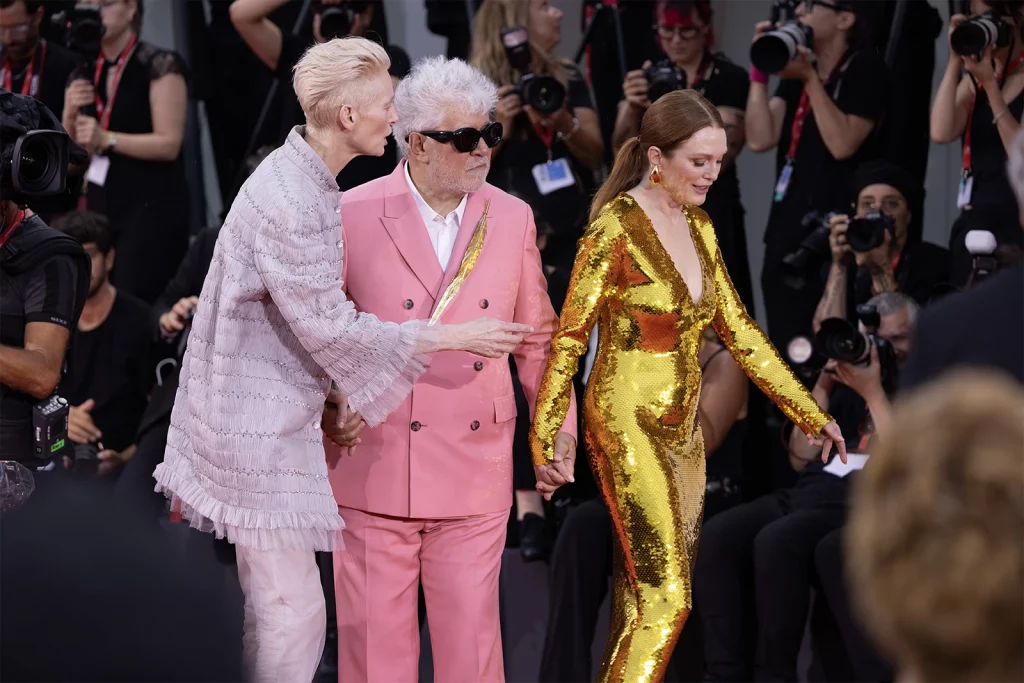
Politics was certainly in the air. Pedro Almodóvar used his Cannes platform to attack Trump, Netanyahu and Putin, arguing that artists had a duty to speak out against authoritarianism and the far right. But politics shaped the mood of the Festival more than it explains the absence of studio tentpoles.
The likeliest answer is more prosaic: fewer suitable studio films were ready, Hollywood is spending more cautiously, streamers and studios are choosing launch strategies more carefully, and Cannes simply received a thinner batch of large-scale American contenders this year.
Demi Moore: More Than a Juror
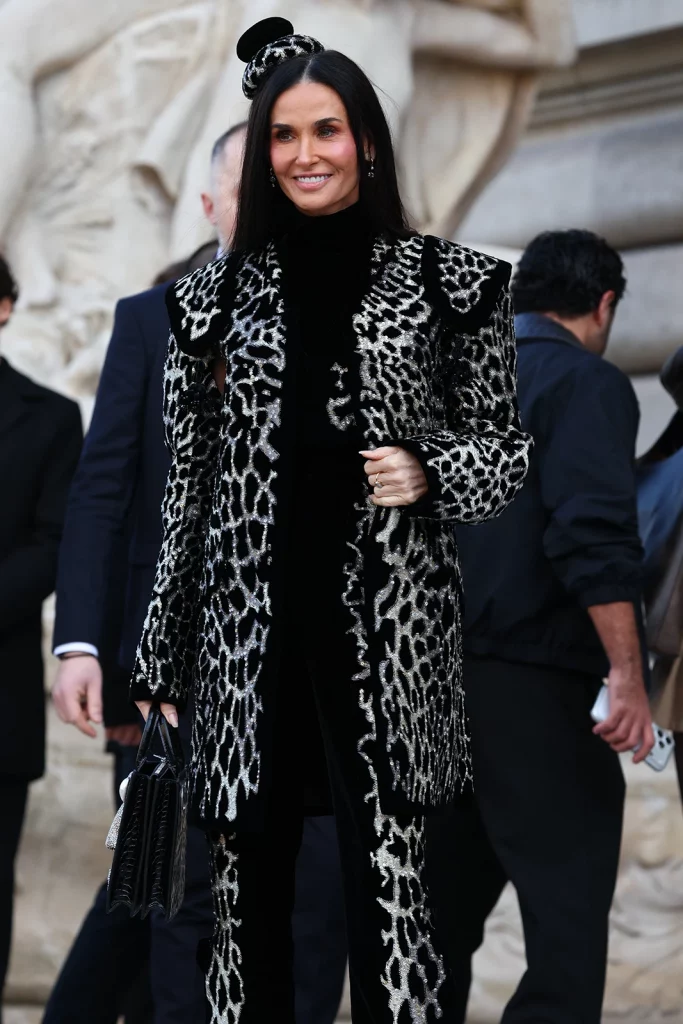
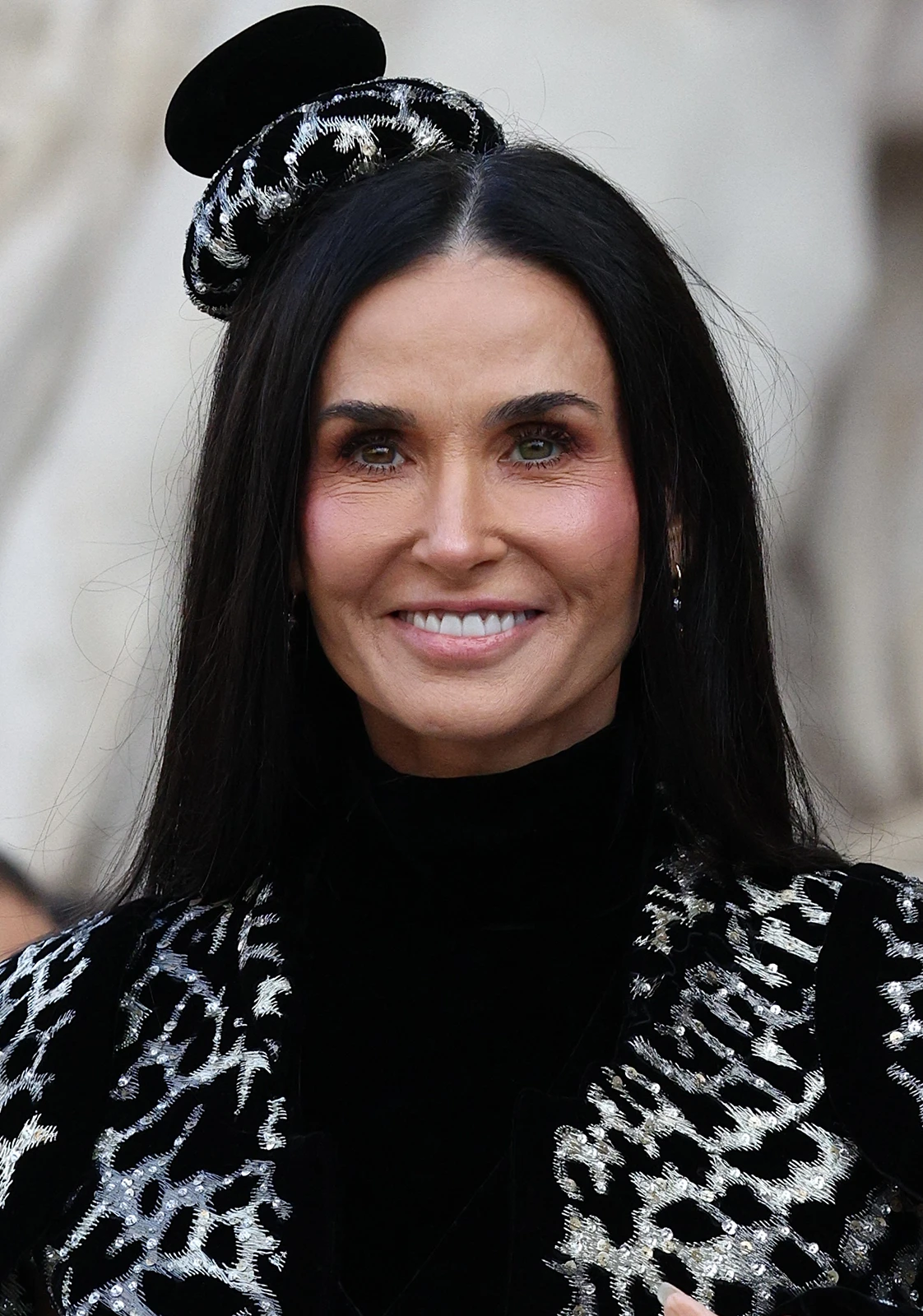
Demi Moore deserves more than a passing line in any account of Cannes 2026. Her appointment to the main Competition jury placed her at the centre of the Festival, alongside jury president Park Chan-wook and fellow jurors Ruth Negga, Chloé Zhao, Stellan Skarsgård, Isaach De Bankolé, Laura Wandel, Diego Céspedes and Paul Laverty.
But Moore’s Cannes connection runs deeper than this year’s jury table. She was part of Cannes mythology in 1997, arriving with Bruce Willis for Luc Besson’s The Fifth Element, one of those oversized Cannes moments that now belongs to the Festival’s memory bank of sci-fi spectacle, flashbulbs and late-Nineties Hollywood confidence.
Then came her remarkable Cannes return in 2024 with Coralie Fargeat’s The Substance. The film premiered in Competition, won Best Screenplay, and helped trigger a major late-career reappraisal of Moore’s screen presence. By 2026, she was no longer simply revisiting Cannes glamour; she was helping decide its highest prize.
There is also the amfAR thread. Moore hosted the 2024 amfAR Cannes Gala, recalling her earlier involvement with the event in 1997, when Elizabeth Taylor’s presence still defined the charity’s aura. That makes Moore one of the more interesting bridges between old Cannes and new Cannes: a figure who connects the blockbuster red carpet, the fashion spectacle, the charity-gala circuit and the official jury table.
From Almodóvar to Rami Malek: Cannes’ Many Kinds of Star Power
This year, some names belonged firmly to the Festival programme. Pedro Almodóvar was not simply passing through for the social circuit. His Bitter Christmas — Amarga Navidad — screened in Competition, giving Cannes one of its great European auteurs and one of the most politically charged press conferences of the edition.
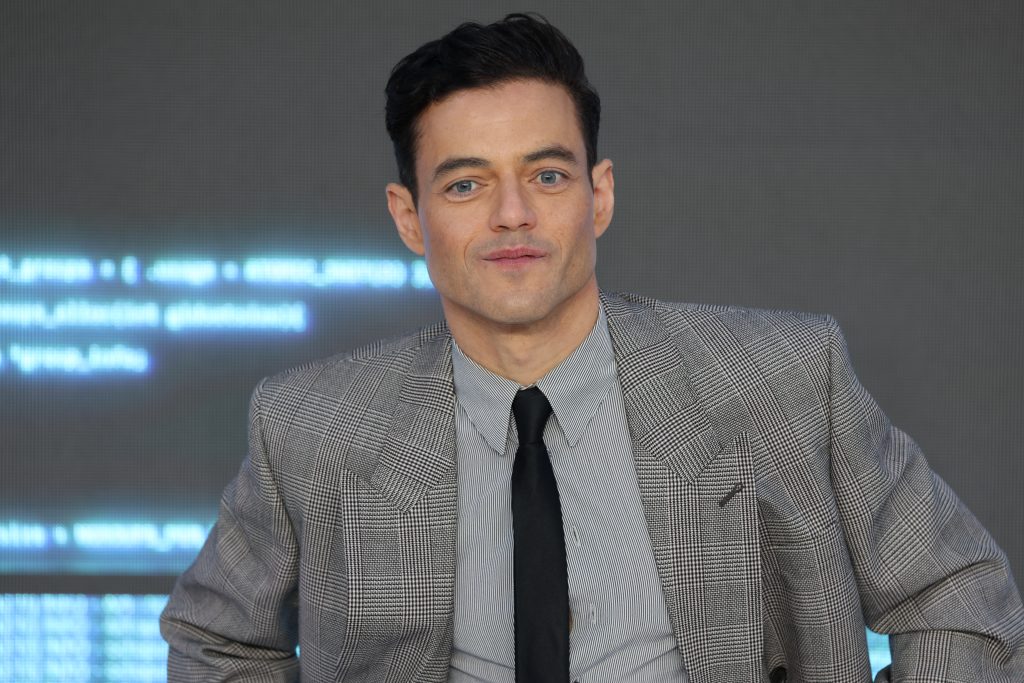
Rami Malek was also more than an amfAR guest. He starred in Ira Sachs’ The Man I Love, one of the year’s American Competition titles. His appearance later in the week at the Hôtel du Cap-Eden-Roc simply showed how porous the line has become between Festival presence, fashion presence and charity-gala presence.
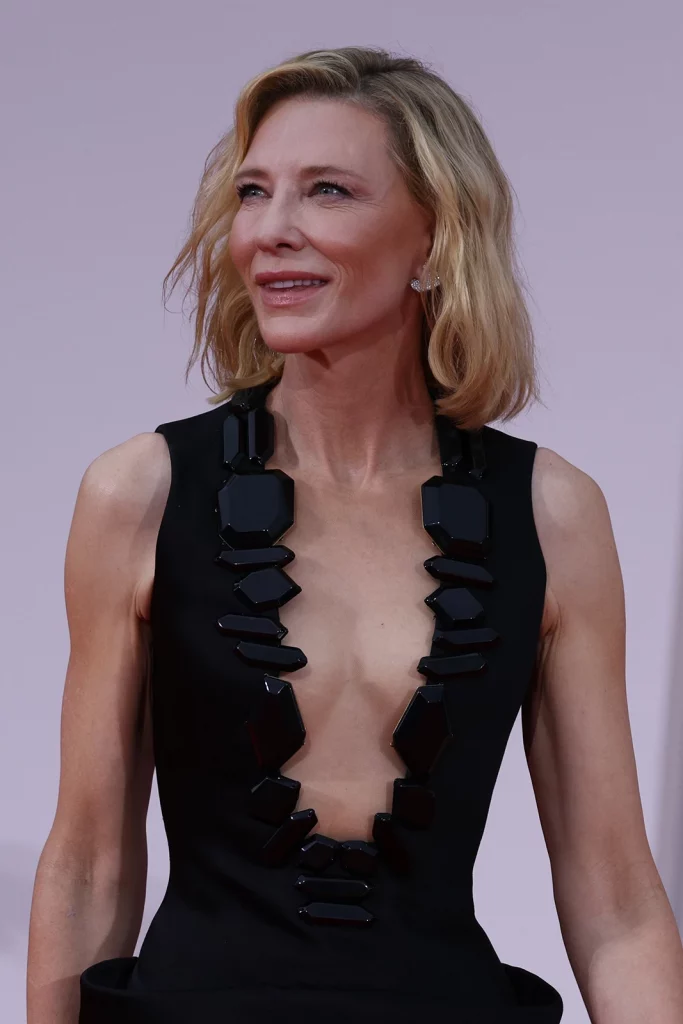
Cate Blanchett and Tilda Swinton belonged to the Festival’s official “Rendez-vous” culture: the side of Cannes built around public conversations with major artists rather than premieres alone. Blanchett also used the Festival platform for work connected to refugee filmmakers and the Displacement Film Fund, while Swinton’s Cannes relationship stretches across decades of auteur cinema, jury duty and red-carpet ritual.
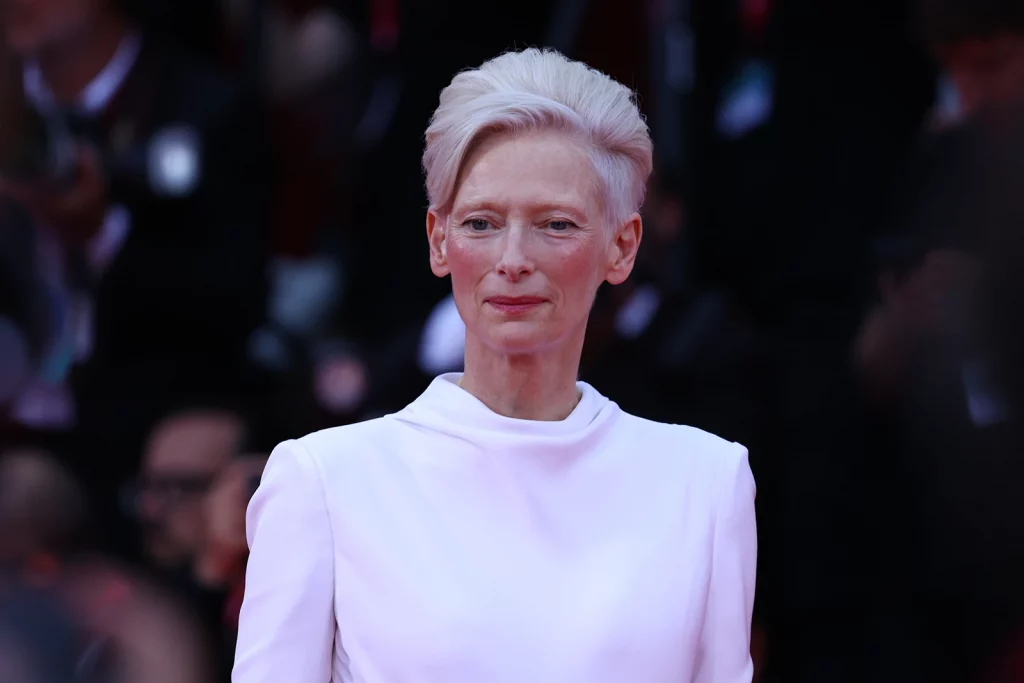
Julianne Moore’s Cannes role was different again. She was honoured with the 2026 Women In Motion Award, the Kering and Festival de Cannes initiative celebrating women in cinema. That placed her within the Festival’s official luxury-cultural ecosystem rather than simply the party circuit.
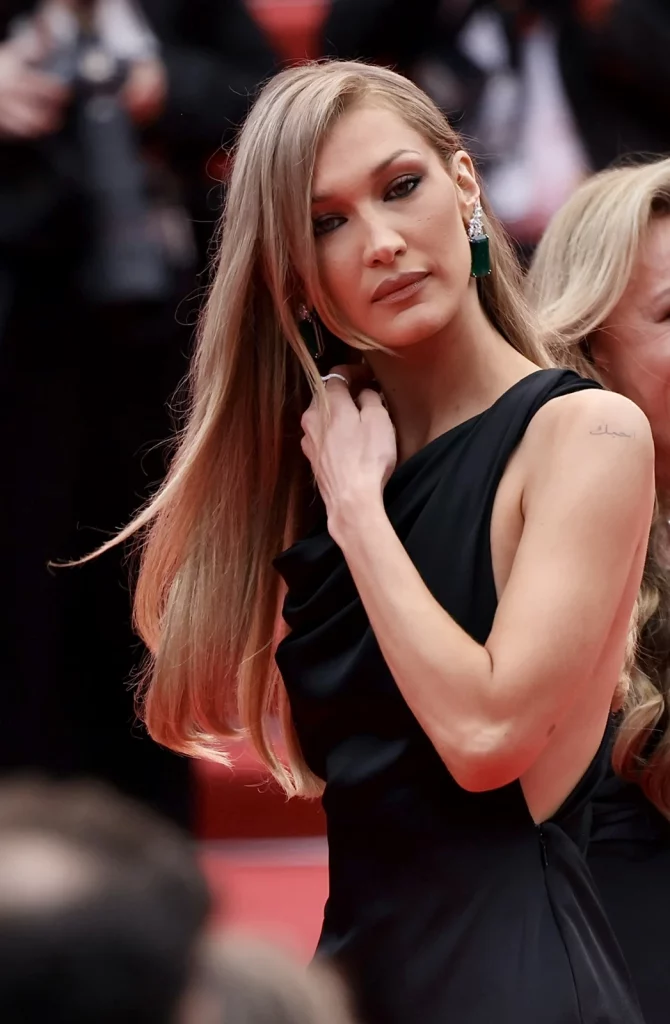
Bella Hadid and Heidi Klum, meanwhile, represented the fashion-and-gala Cannes that often runs alongside the official cinema programme. Hadid remains one of Cannes’ most watched fashion figures, while Klum was among the names attached to the amfAR orbit. Their presence was not irrelevant to Cannes; it simply belonged more to the spectacle surrounding the Festival than to the Competition slate itself.
Did amfAR Outshine the Festival?
In pure celebrity concentration, amfAR may well have had the stronger single-night gravitational pull.
The 2026 amfAR Gala returned to the Hôtel du Cap-Eden-Roc in Antibes, hosted by Geena Davis and attended by names including Rami Malek, Eva Longoria, Heidi Klum and Lizzo. The evening featured performances from Lizzo, Robbie Williams and Zara Larsson, with tickets starting at €17,500. The auction included high-end lots such as a walk-on role in Emily in Paris, major artworks and luxury jewellery.
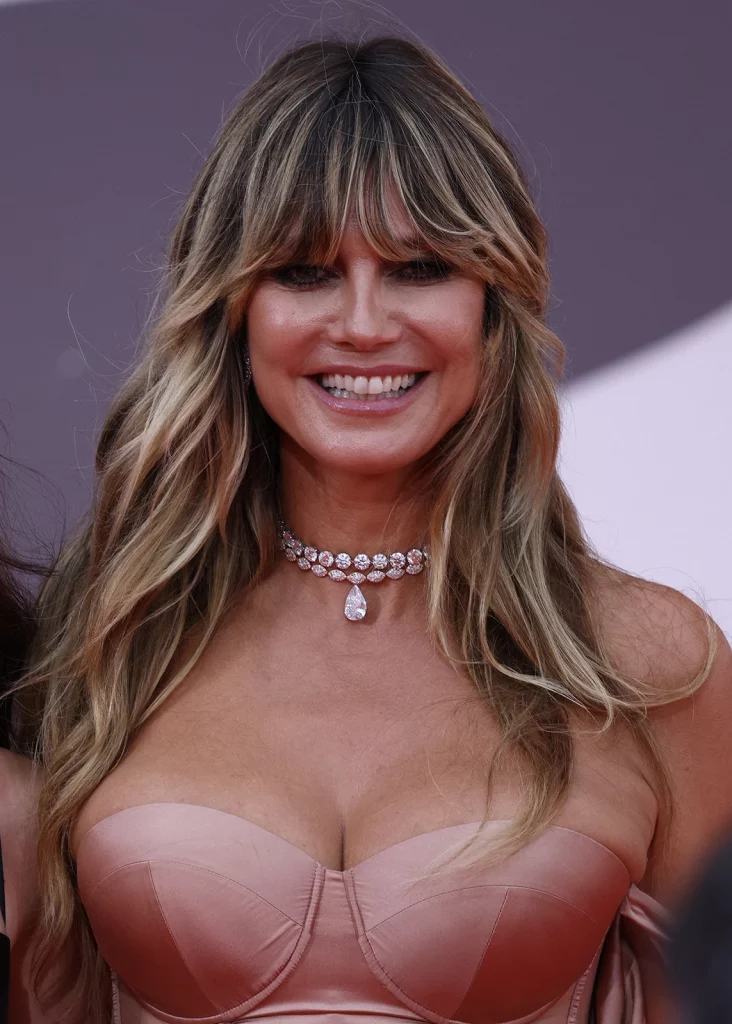
That does not mean amfAR “beat” Cannes. It means amfAR now performs a different function. The Festival depends on films. amfAR depends on glamour, philanthropy, music, fashion, celebrity and the sheer myth of the Hôtel du Cap.
In a year when the studio slate was quieter, the gala naturally looked brighter by comparison.
It also helps explain why some stars appear to float around Cannes without an obvious film attached. The modern Festival is no longer one thing. It is a film competition, a market, a fashion week, a philanthropy circuit, a luxury-brand stage, a press machine and a networking maze, all superimposed on the same few miles of coastline.
The Parties: Still Glittering, But More Controlled
Anyone who remembers Cannes before the platform era will recognise the difference. The old stories are full of villas with pools, MTV-scale blowouts, beach premieres, late-night introductions, hotel corridors full of producers, actors, sales agents and hopeful chancers colliding in a kind of glamorous professional pinball.
That Cannes has not vanished entirely, but it has become more controlled.
The visible social calendar now clusters around luxury partners, brand dinners, charity galas and invitation-led events. Vanity Fair, Kering, Chopard, Vogue and amfAR all represent a more curated Cannes — still glamorous, but less spontaneous.
Stephen Follows, reporting from the Marché, described 2026 as record-breaking in attendance yet quieter in social atmosphere, with fewer parties, shorter stays and more tightly planned schedules. His conclusion was simple: Cannes is increasingly where deals are confirmed, not where they are discovered from scratch.
That may be the most important shift. Cannes remains glamorous, but the glamour is less democratic. More doors are closed. More rooms are private. More meetings are scheduled before the first espresso on the Croisette.
The Marché: Bigger Than Ever, But Is It Still Worth It for an Up-and-Coming Producer?
This is where the Cannes question becomes more uncomfortable.
Officially, the Marché du Film still offers extraordinary access. A standard Marché badge in 2026 was listed from €459 to €629 before VAT, depending on when it was purchased, while the Platinum badge was listed at €3,999. The standard badge offered access to exhibition spaces inside the Palais, Riviera, Lérins and the Village International, along with Marché-only events and screening access.
On paper, that sounds excellent. In reality, the value depends almost entirely on who you are, what you are bringing, and whether you already have meetings before you arrive.
For an established sales company, financier, distributor, streamer, film commission or producer with a project already packaged, Cannes is still useful. It compresses the global industry into one town. It allows meetings that would otherwise take months. It creates urgency. It gives buyers a reason to make decisions.
For a less-established producer hoping to meet serious distributors, financiers or agencies from a standing start, the value is far more questionable.
The old market was never easy, but it was more porous. A printed guide gave names and contact details. Hotel offices felt more accessible. If a studio, sales agent or financier had a temporary base at the Carlton, it was at least possible to try the door, leave a card, speak to someone on reception and hope. Today, much of that world is behind invitation lists, security, private WhatsApp chains, pre-existing relationships and digital platforms.
Cinando is now central to the Marché’s networking infrastructure. It is described by the Marché as the essential database and networking platform for film, television and audiovisual professionals, providing companies, contacts, projects, screeners, attendees and schedules.
But the key frustration is that many contact details are not truly open in the old sense. Cinando’s own help pages explain that users can hide their email addresses from other members, which pushes contact towards platform-mediated messaging rather than direct email or telephone outreach.
That distinction matters. An internal message system is not the same as a direct email. Inmails can be ignored. Profiles can be incomplete. Decision-makers can be listed without being reachable. A producer may technically have “access” to the industry while still being unable to reach the person who matters.
The same gap exists with panels and pavilions. The British Pavilion, the American Pavilion and other national pavilions can be useful places to attend talks, hear policy discussions and meet film commissions. They are also often full of people trying to make the same contacts. The American Pavilion is a useful example of the new layered access model: in 2026, its Standard Membership ranged from $125 early-bird to $295 on site, while Gold Membership was listed at $995 before the Festival and $1,195 on site — and all members still needed official Cannes or Marché credentials to enter the International Village.
That may be worthwhile for some. It gives Wi-Fi, coffee, panels, parties and a place to sit. But it does not magically create meaningful access to the panellists. A crowded Q&A is not a private meeting. A famous producer or actor leaving through a side door after a session is not a network. For a producer trying to finance a serious project, the difference between proximity and access can be the difference between value and waste.
The harsh truth is this: for a less-established producer without a selected film, a strong package, warm introductions, a sales agent, a financier already circling, or a specific list of meetings, the Marché can become an expensive way of standing near power rather than reaching it.
The best networking may now happen outside the formal market: in hotel bars, private dinners, sponsor events, villa parties and introductions made by people who already have the relationships. That has always been partly true of Cannes. In 2026, it felt even truer.
The Website Problem: When a World-Class Festival Feels Like an Admin Maze
There is another contradiction Cannes should not ignore. The Festival presents itself as the summit of cinema, luxury and cultural prestige, yet the digital user experience can feel oddly clumsy for an event of its stature.
Accreditation, ticketing and market navigation increasingly depend on online systems. The official Festival guidance confirms that badge holders access screenings through the online ticket office, with different rights depending on accreditation category, and that tickets are personal, time-sensitive and tied to badge access.
That is understandable. Cannes is huge, security is tight, and demand vastly exceeds capacity. But for the working professional on the ground, the digital layer can feel like another barrier rather than a service. Registration forms, ticket windows, language inconsistencies, cookie pop-ups, platform log-ins and fragmented websites all add friction to a week that is already expensive and exhausting.
For a festival that trades so heavily on elegance, the administrative experience can feel surprisingly inelegant.
How Cannes Compares With Berlin, AFM, London, Venice, Toronto and San Sebastián
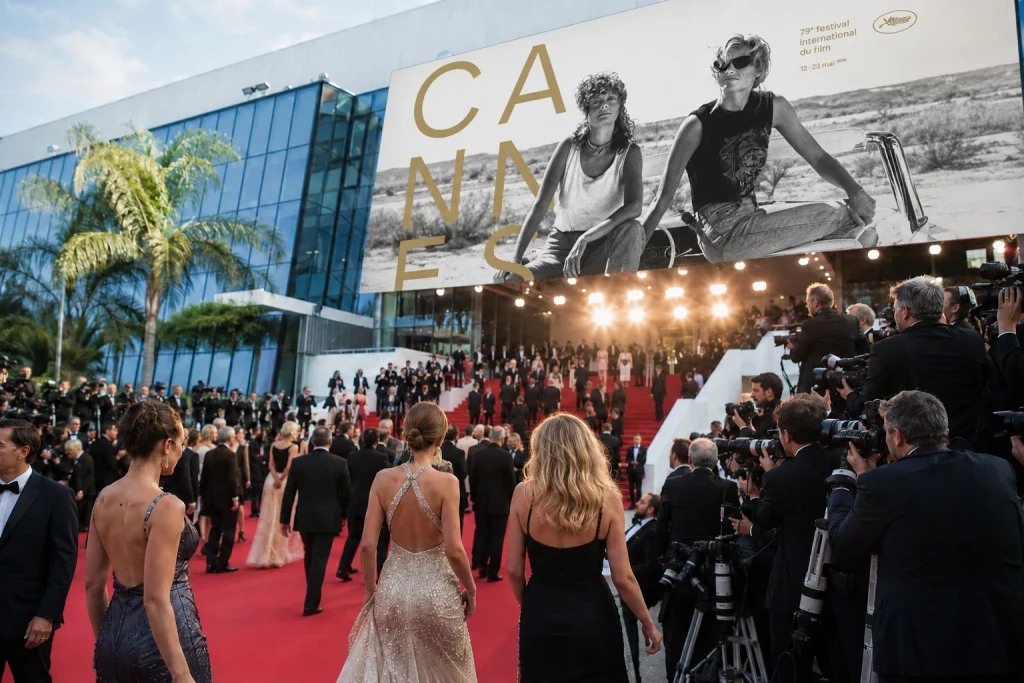
Cannes still has the crown, but it no longer has the field to itself.
Berlin’s European Film Market is often considered more practical for business. It is less glamorous than Cannes, but that can be an advantage. The 2026 EFM reported more than 12,500 professionals and a five percent increase in attendance, securing its position as one of the top three meeting places for the international film and media industries. For serious business, Berlin can feel more direct and less theatrical.
AFM — the American Film Market — has traditionally been one of the most business-focused markets in the world. Its move to Las Vegas in 2024 was widely criticised by parts of the industry, and the market returned to Los Angeles in 2025. That return was welcomed by much of the independent distribution community, though AFM faces its own challenge: the independent film business it serves has changed dramatically.
London has red-carpet glamour and serious prestige, but it is not a market on the Cannes scale. The BFI London Film Festival remains a major public-facing festival, and Film London’s Production Finance Market operates alongside it as a two-day financing event, but London is not built around a global sales market in the same way Cannes, Berlin or AFM are.
Toronto is becoming more interesting. TIFF has long been one of the key North American launchpads for awards-season films, and in 2026 it is launching TIFF: The Market, running from 10 to 16 September. That is a significant move. If TIFF can combine its audience power with a serious buyers-and-sales infrastructure, it may become more commercially important in the years ahead.
San Sebastián is more specialised but valuable, particularly for Europe-Latin America relationships. Its Europe-Latin America Co-Production Forum will run from 21 to 23 September 2026 within the 74th San Sebastián Film Festival, and it is designed specifically to foster co-production and financing contacts. For the right project, that may be more useful than wandering Cannes without meetings.
Seville, meanwhile, has charm and cultural focus rather than global market dominance. The Seville European Film Festival is dedicated to contemporary European cinema and has an industry programme, but it does not function as a Cannes-style international sales market. It is potentially useful for European cinema visibility, less so as a heavyweight global financing hub.
And then there is Venice.
Could Venice Steal Cannes’ Glamour Crown?
Venice is the real glamour threat — not because it can replace Cannes as a market, but because it has become increasingly powerful as a prestige launchpad for major films, stars and Oscar campaigns.
The Venice International Film Festival has one great advantage: timing. Taking place at the end of summer and the beginning of September, it sits perfectly at the start of awards season. Studios, streamers and prestige distributors often use Venice to launch films they want to carry through Telluride, Toronto, London and into the Oscars.
Venice also has the setting. Cannes has the Croisette; Venice has the Lido, water taxis, palazzi, old-world European grandeur and a visual language that photographs beautifully. In recent years, Venice has shown it can attract major Hollywood names and major American-backed films, particularly when studios want an awards-season rather than summer-release narrative. The 2025 edition, for example, was reported to include high-profile names such as George Clooney, Julia Roberts, Emma Stone, Oscar Isaac and Dwayne Johnson.
Venice also has a market: the Venice Production Bridge. It is not Cannes-sized, and it does not try to be. Its 2026 edition will run from 3 to 9 September and focuses on production, gap financing, book adaptation rights, immersive content and curated industry services. The Venice Gap-Financing Market will run from 4 to 6 September within the same framework.
As of 26 May 2026, the 2026 Venice line-up has not yet been announced, so any claims about who will definitely attend in September would be speculation. What is confirmed is that the 83rd Venice International Film Festival will run from 2 to 12 September 2026, with Maggie Gyllenhaal presiding over the main Competition jury.
Could Venice take the glamour crown from Cannes? For a single red-carpet season, possibly. For awards-season heat, Venice may already be stronger in some years. But as a combined festival, market, press machine, fashion platform, beach-front circus and global industry gathering, Cannes still has no exact equivalent.
Venice can rival Cannes for prestige. It can rival Cannes for stars. It cannot yet rival Cannes for market scale.
The Monaco Gap, Formula E and the Changing Riviera Calendar
One of the stranger sensations this year was the gap between Cannes and the Monaco Grand Prix. For years, the two events seemed to form a glamorous Riviera relay: Cannes first, Monaco immediately after, with the same yachts, helicopters, sponsors and high-net-worth travellers drifting east along the coast.
In 2026, the Monaco Formula 1 Grand Prix moved to 4–7 June, creating an unusual break after Cannes. The reason was not a demotion of Cannes, nor a deliberate handover to Formula E. Formula 1’s calendar reshuffle moved Monaco to the first full weekend in June from 2026 onwards, partly to improve logistics, reduce environmental impact and avoid the clash with the Indianapolis 500.
Formula E’s Monaco E-Prix did overlap with Cannes, taking place on 16 and 17 May. But there is no convincing evidence that Formula E is being positioned to replace Formula 1 as the Riviera’s prestige motor-racing anchor. It was more a calendar collision than a cultural coup.
Still, the shift matters. Cannes, Monaco and the luxury travel circuit have always fed one another. If the Formula 1 weekend now sits later in June, the old seamless Cannes-to-Monaco glamour pipeline becomes less automatic.
The Adult-Film Footnote Cannes Used to Snigger About
Cannes has always had a second life beyond the red carpet. One of its more notorious old quirks was the adult-film sideshow that existed on the fringes of the Festival, most famously through the Hot d’Or awards. These ran annually in Cannes from 1992 to 2001 and were often described as the adult industry’s answer to the Palme d’Or or the Oscars.
Their relevance is historical, not current. They belong to the older mythology of Cannes as a place where high art, low mischief, international salesmanship and Riviera excess all rubbed shoulders within the same overheated fortnight.
That is precisely why people remember them. They were part of a Cannes that felt unruly as well as elegant.
So What Was Cannes 2026?
Cannes 2026 was not a failure of glamour. It was a change in the way glamour is distributed.
The official Festival belonged to auteurs, juries, politically charged press conferences and a serious winners’ list. The red carpet belonged to couture, luxury houses and carefully managed star appearances. The parties belonged to brands, charities and private hosts. The market belonged to those who had prepared their meetings before they arrived.
The result was a Cannes that could feel paradoxical: bigger but quieter, richer but less open, starry but less studio-led, global but more gated.
The absence of major Hollywood studio films was real, but it should not be overstated into a myth of abandonment. The American industry was present in talent, prestige and deals. What was missing was the overwhelming studio machinery that turns a Cannes premiere into a global pop-cultural event.
That distinction matters. Cannes did not lose Hollywood. It temporarily lost Hollywood’s thunder.
What Cannes 2027 Might Bring
The 80th Festival de Cannes is scheduled for 11 to 22 May 2027, and anniversaries tend to bring ceremony, retrospectives, returning legends and a stronger appetite for symbolic star power.
An 80th edition gives Cannes every incentive to court Hollywood, and Thierry Frémaux has already indicated that he expects major US films to return. But even if the red carpet grows louder next year, the deeper market changes are unlikely to reverse.
Cinando will not turn back into a printed book. Private investor rooms will not become open hotel corridors. Major agencies and studios will not suddenly become easy walk-ins for every badge holder. The economics of independent film will not magically return to the older mid-budget model simply because Cannes wants a grand anniversary.
The likely future is hybrid: more ceremonial glamour for 2027, perhaps a stronger Hollywood presence, but the same underlying shift towards curated access, private capital, digital networking, brand partnerships and tightly managed schedules.
Cannes still matters. Cannes still sells dreams. Cannes still has the power to crown a film, ignite a career, rescue a reputation or make a dress the most discussed object in Europe for 24 hours.
But Cannes 2026 showed that the Festival’s old magic now operates under new rules. The Croisette still glows. It just no longer leaves quite as many doors open.
For the complete overview of the films, stars, deals and atmosphere, see our full Cannes 2026 festival report.
Further Reading
Festival de Cannes: 2026 winners’ list and official selection details.
Festival de Cannes: 2026 Competition jury and Demi Moore’s jury role.
Marché du Film: 2026 market figures, accreditation structure and Cinando background.
Venice Production Bridge, EFM, AFM, London, TIFF and San Sebastián market comparisons.